
Amanat, The Sacred Forest
- Video installation
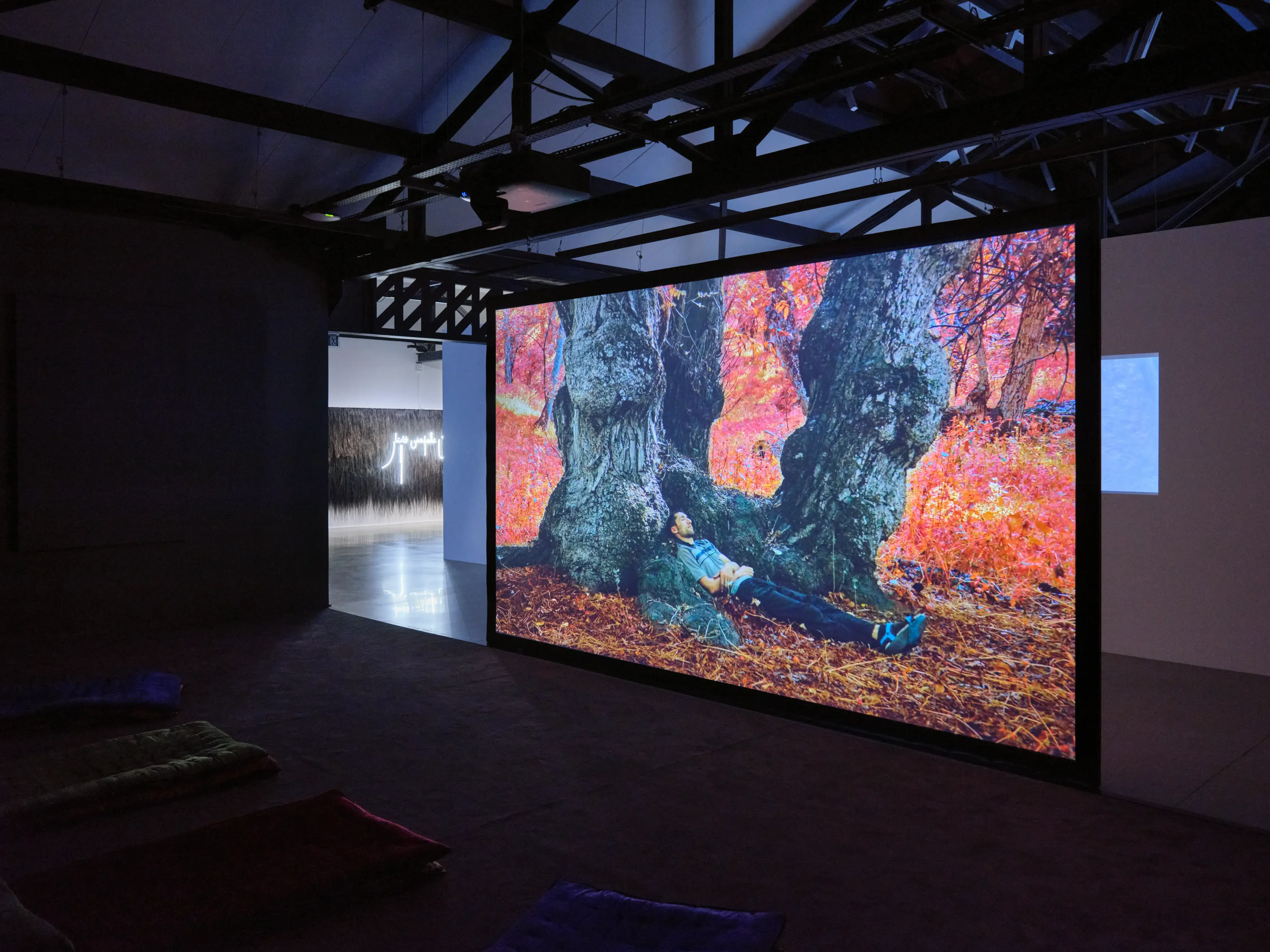
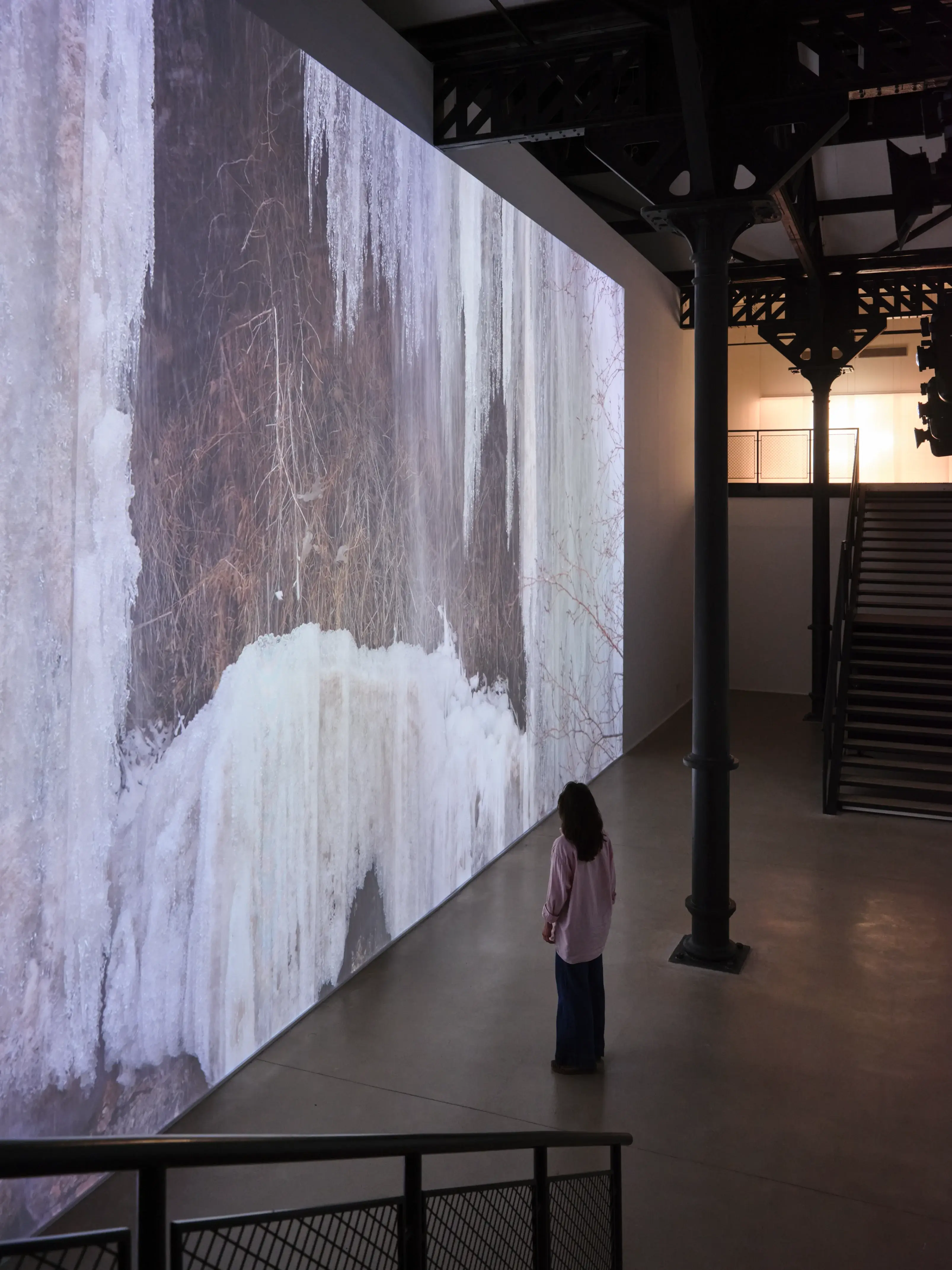
The exhibition Amanat, The Sacred Forest brings together new and early works by Uzbek artist and filmmaker Saodat Ismailova, centered on a recently commissioned film set in Arslanbob, one of the world’s largest walnut forests, in southern Kyrgyzstan.
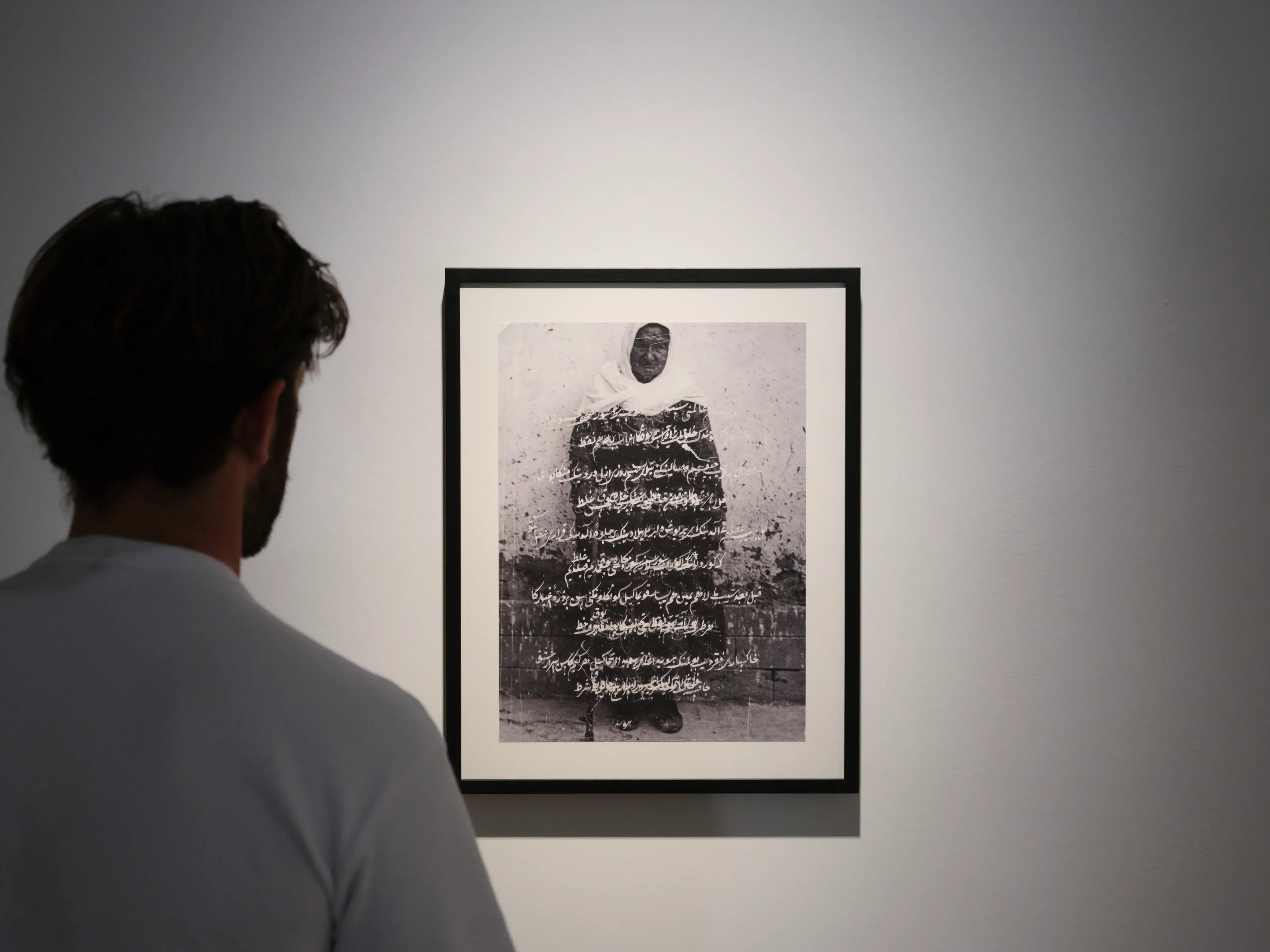
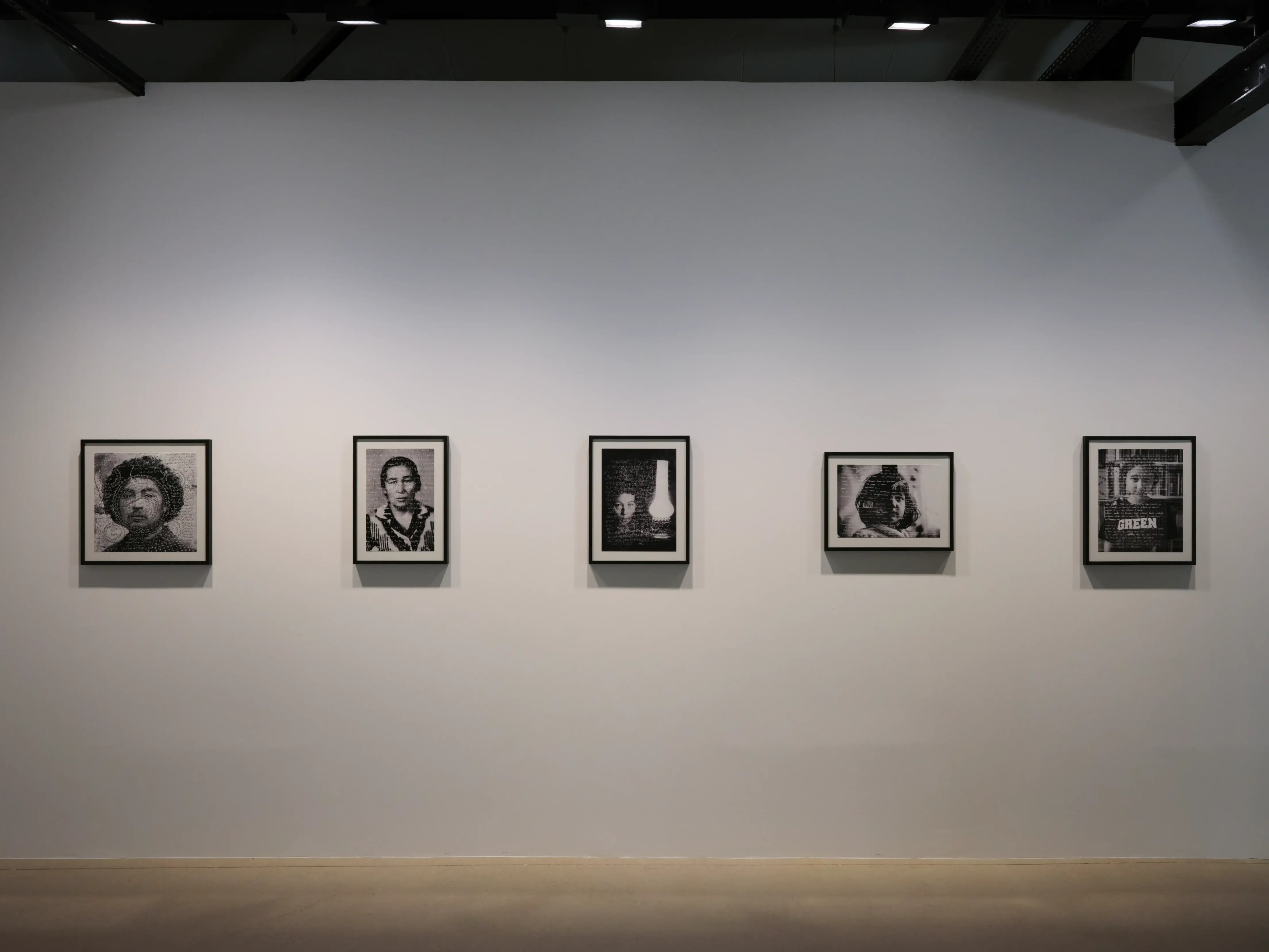
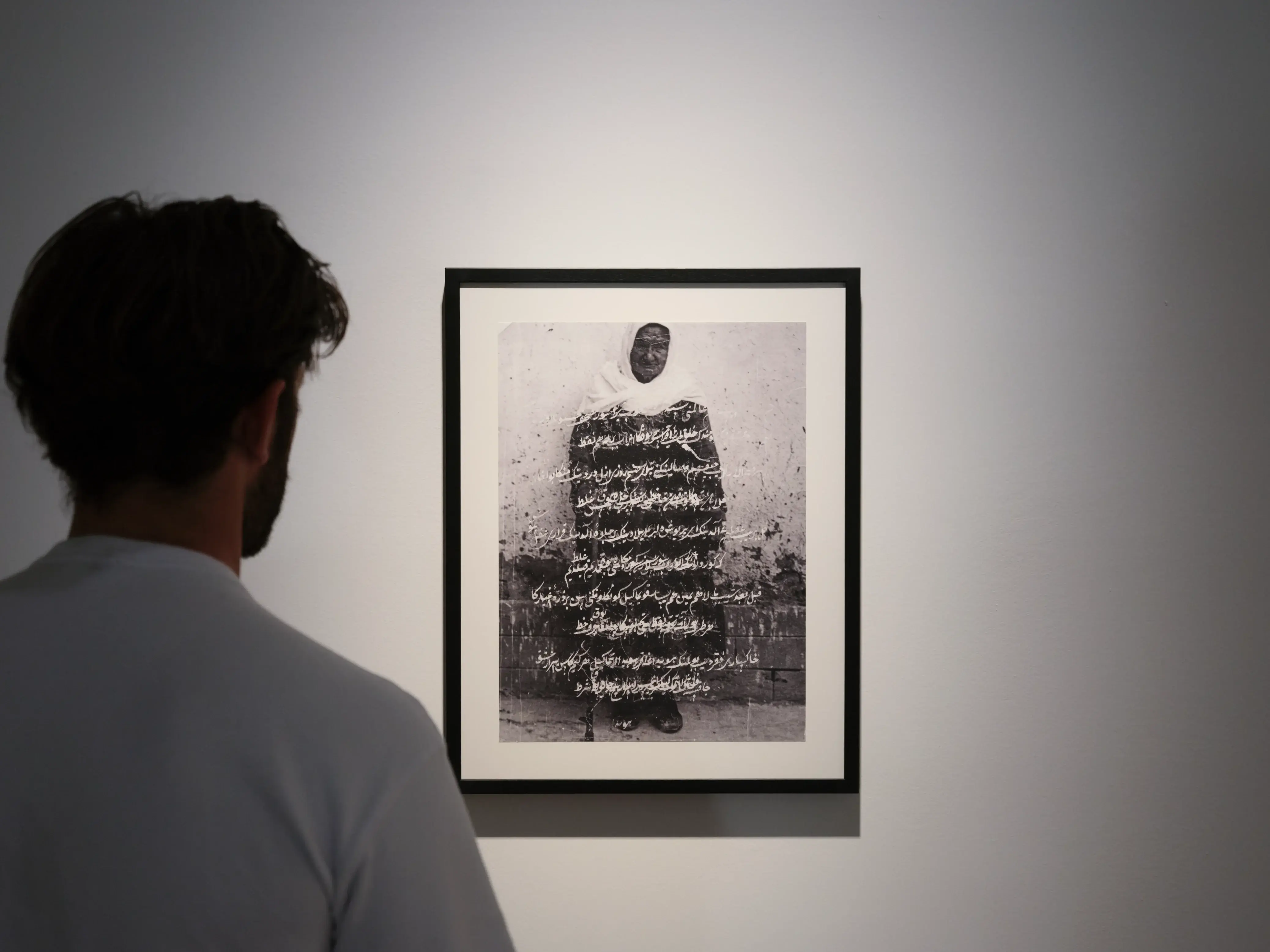
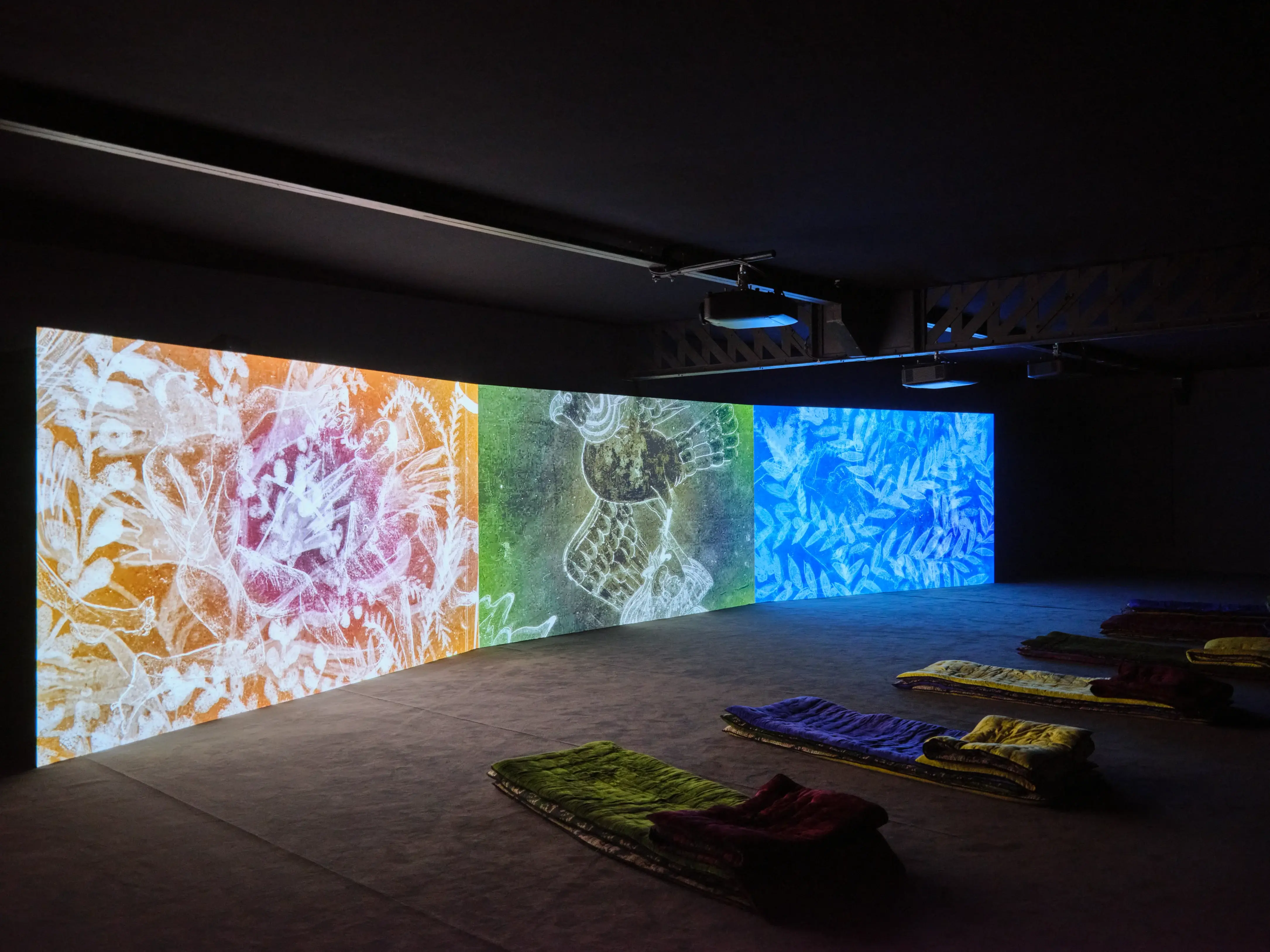
Working across film, installation, archives, and sound, Ismailova explores the cultural and spiritual histories of Central Asia through myth, oral tradition, ritual, and lived experience. The exhibition unfolds from Arslanbob, presenting it as both a living landscape and a field of stories where ecologies, memories, and beliefs are inseparable.
The forest takes its name from Arslanbob, a mystic said to have carried a date pit beneath his tongue during two centuries of wandering. According to local legend, he eventually entrusted it to a seven-year-old child, who would become Ahmad Yasawi, one of the great mystics of twelfth-century Central Asia. From this seed, the story goes, the walnut forest was born. In local belief, these walnuts possess hallucinatory properties.
The word amanat comes from amānah, which can be translated as “trust” in Arabic, and occurs in Farsi and Turkic languages. In this context, it denotes an inheritance that one does not own, but instead temporarily holds and is obliged to protect. It reflects on this fragile passage of responsibility between bodies, generations, and worlds.
Today, Arslanbob is simultaneously a sacred ground, living archive, economic resource, and contested territory, shaped by walnut harvesting, logging, climate change, and competing claims over preservation and use. Ismailova’s work does not counterpose nature and culture but reveals their entanglement. Her films move between documentary, visual essay, and poetry, approaching the forest as a threshold where visible and invisible realities meet.
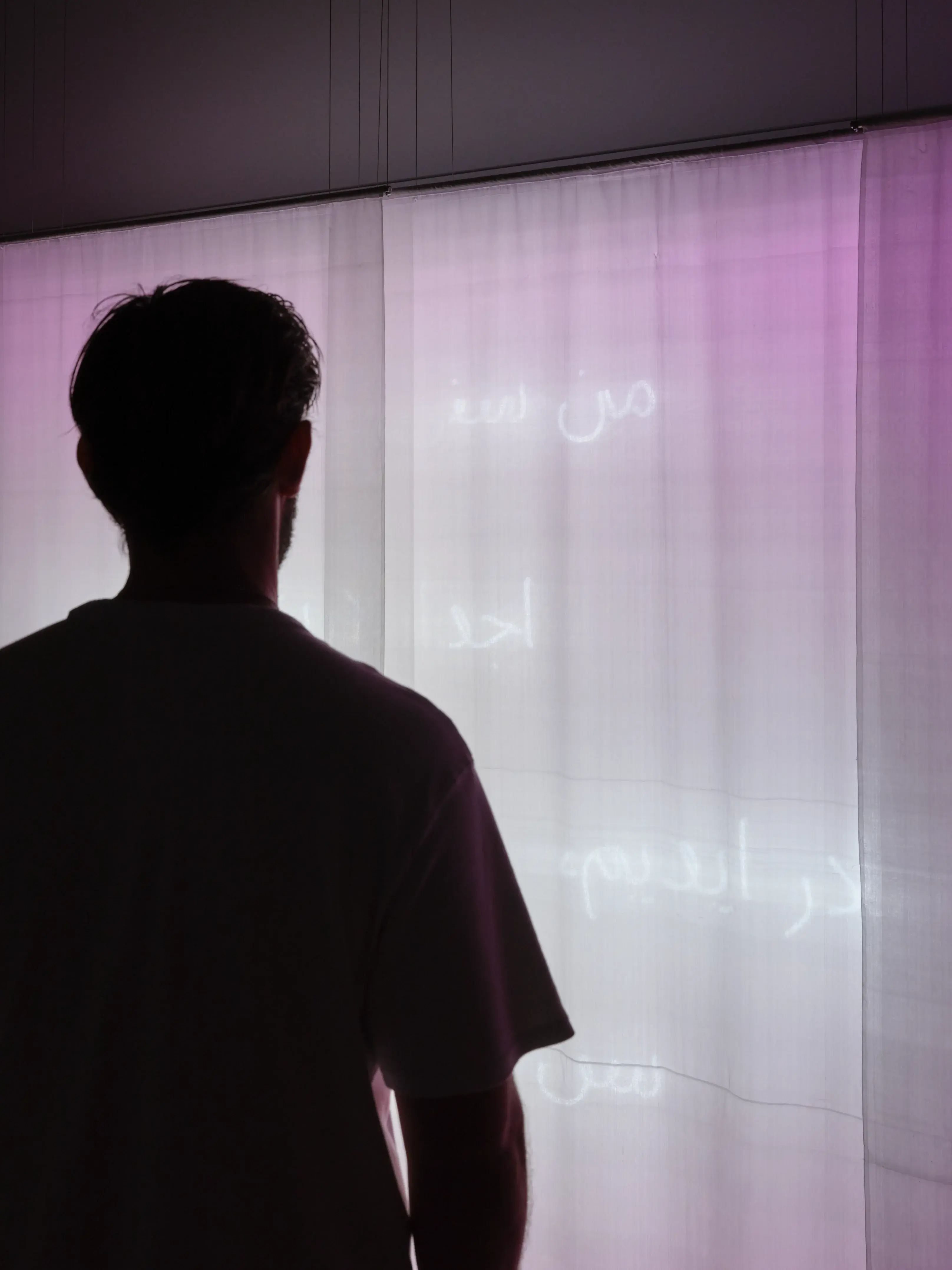
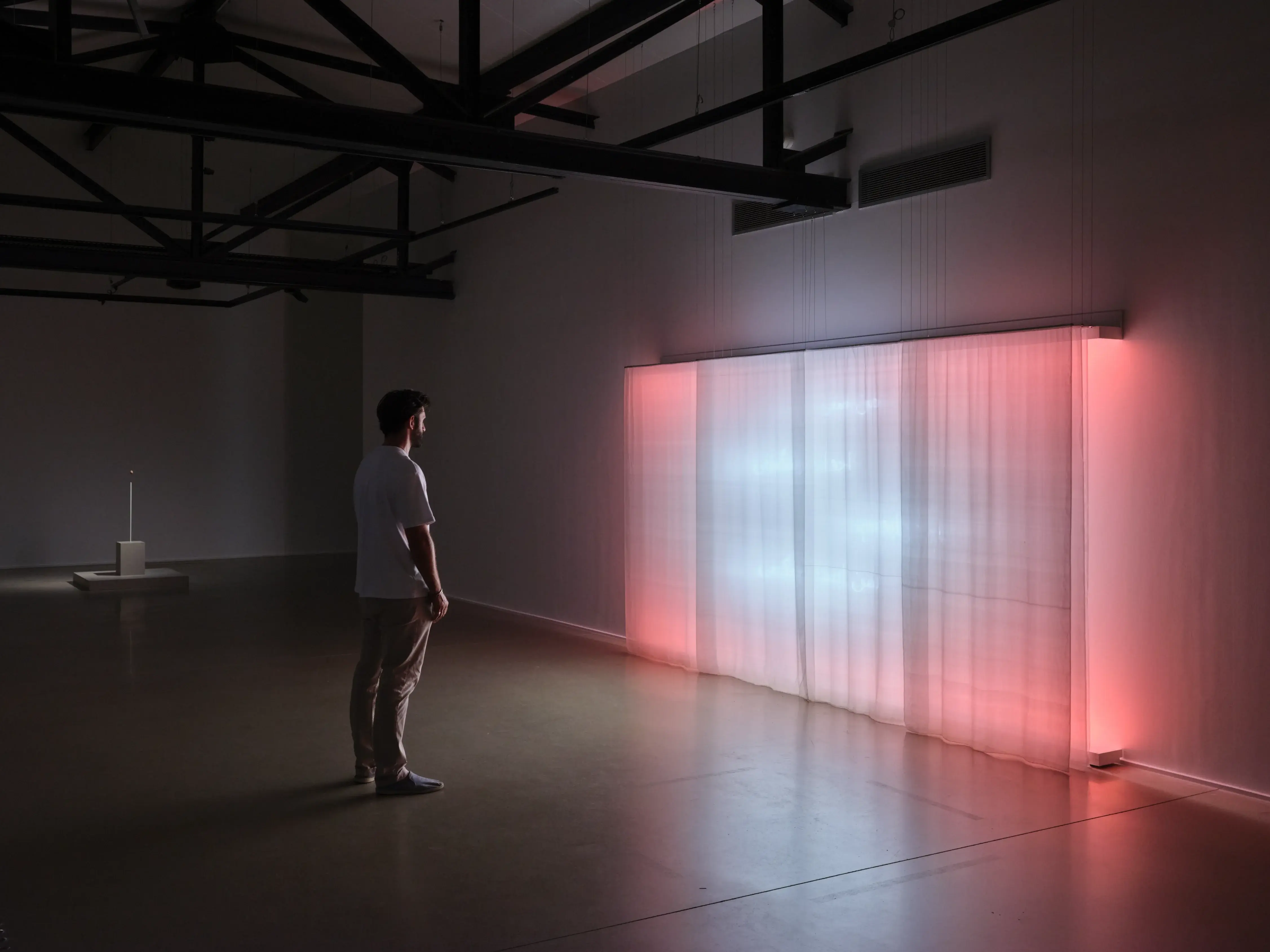
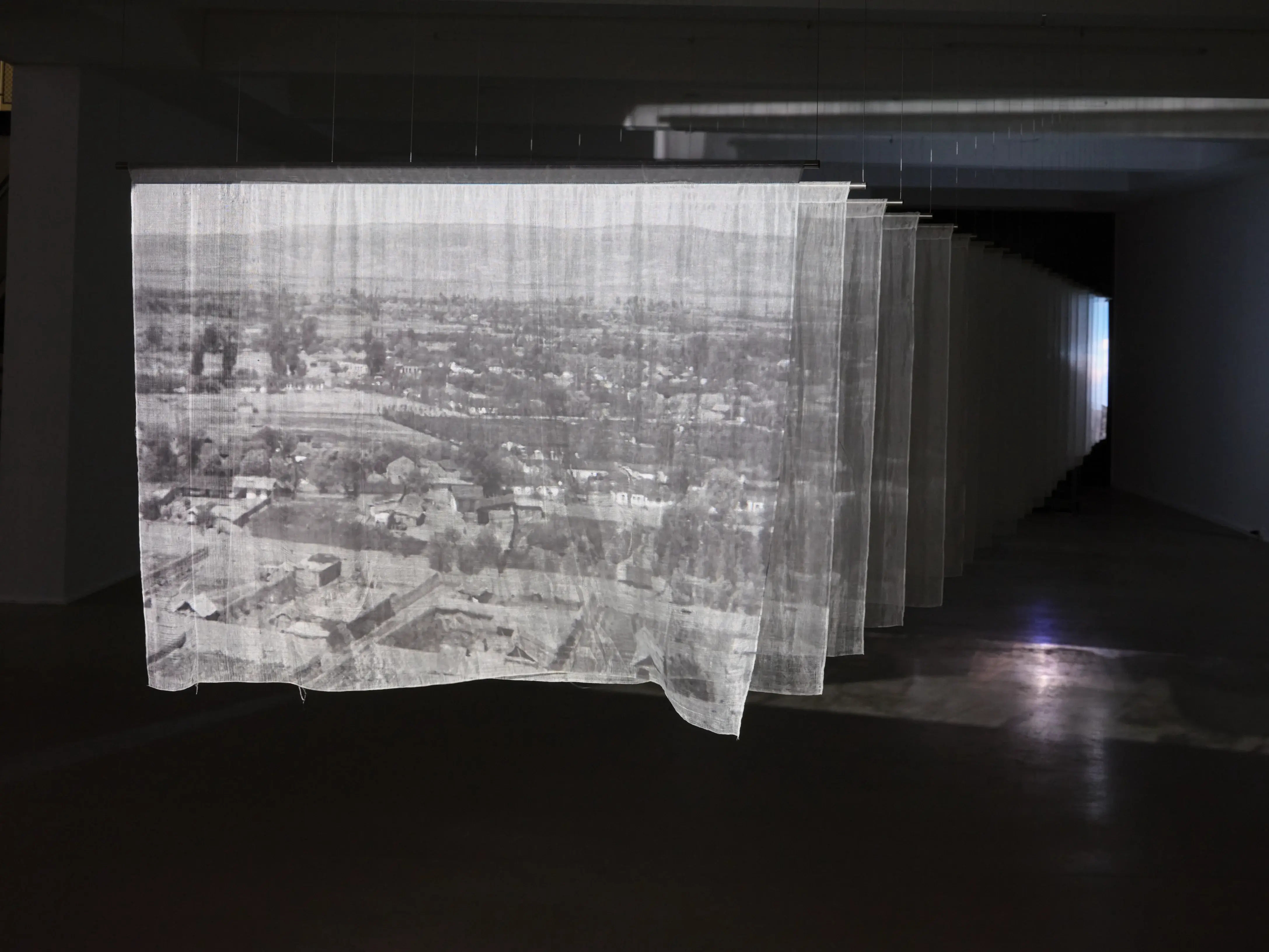
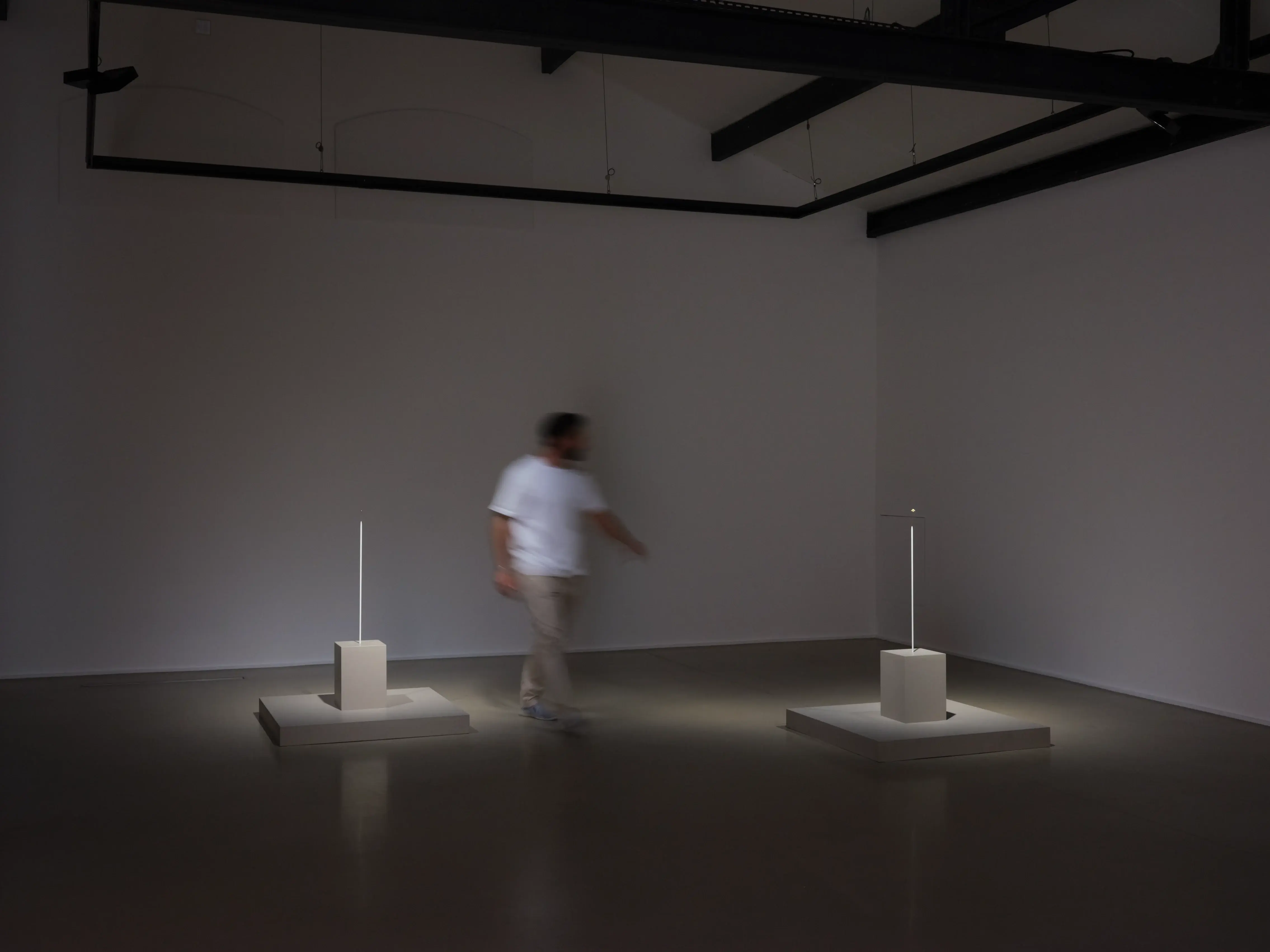
The exhibition brings these reflections into focus through works that examine the intersections of physical and mental landscapes. Among them, Swan Lake presents a tormented, dreamlike vision, evoking the altered states of perception traditionally associated with the forest’s hallucinogenic walnuts. The film combines Central Asian cinema from the decades before and after the collapse of the USSR with archival Soviet television broadcasts, including mass-hypnosis sessions aired in 1989. Through this constellation of images, it reflects on a moment of profound political disorientation, when collective beliefs, ideological structures, and historical certainties began to unravel. As We Fade transforms one second of film into a space through twenty-four suspended silk panels, placing contemporary images of Sulaiman-Too Mountain in dialogue with 1929 pilgrimage footage. The Haunted turns to the extinct Turan tiger, tracing its disappearance from Central Asian landscapes and its survival as a spectral presence in stories, memories, and dreams.
The exhibition forms a meditation on transmission and disappearance. In Ismailova’s practice, cinema, sound, and sculpture are not simply mediums of representation, but living moments of attention. Her work allows places to speak, histories to endure, and fragile worlds to remain perceptible.
Organized by: Vassilis Oikonomopoulos, Artistic Director and Martin Guinard, Curator
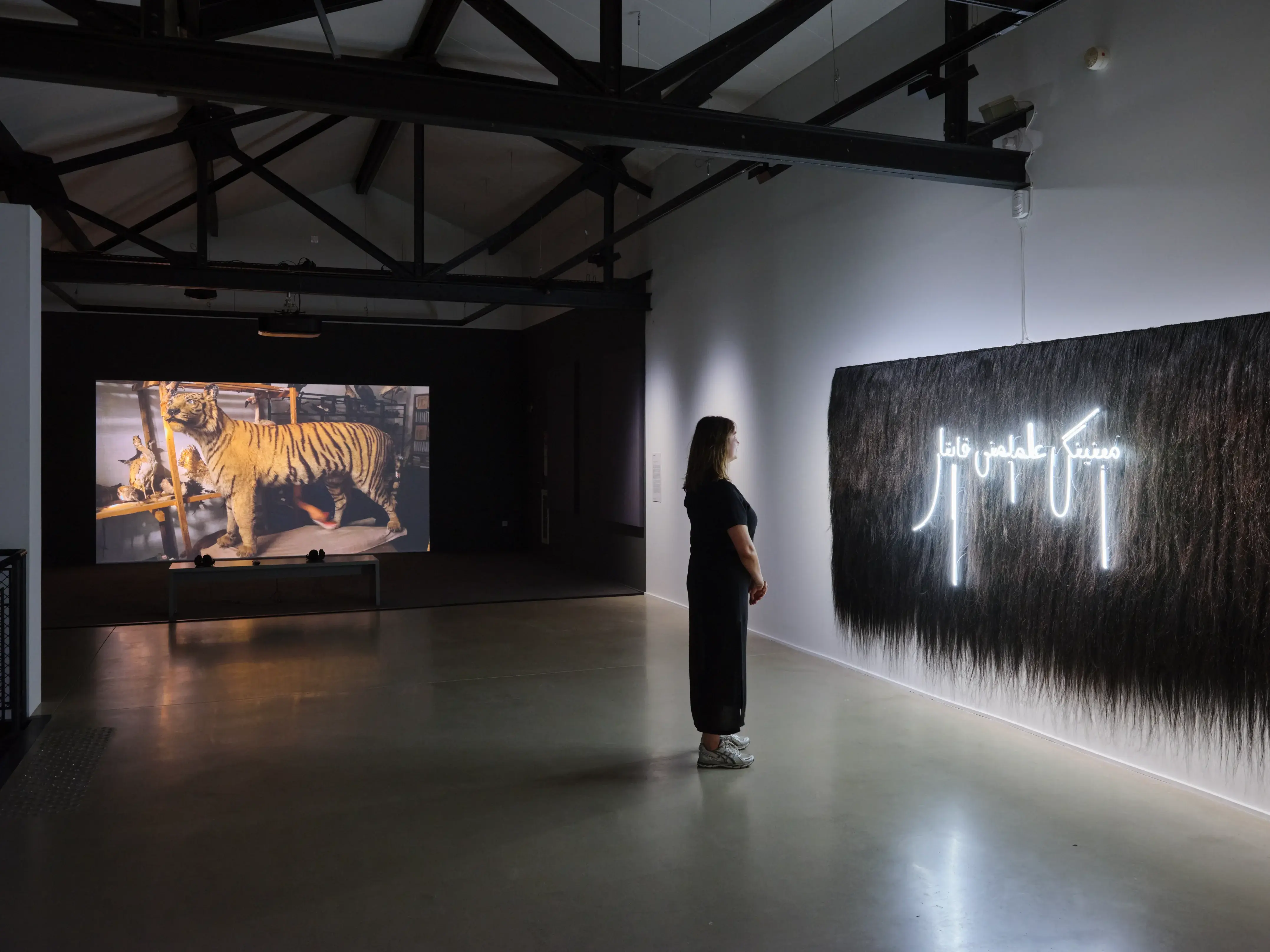
Saodat Ismailova, Amanat, The Sacred Forest, 2026. Les Forges, LUMA Arles, France.
© Victor & Simon / Grégoire d’Ablon
Saodat Ismailova, Amanat, The Sacred Forest, 2026. Les Forges, LUMA Arles, France.
© Victor & Simon / Grégoire d’Ablon
L'exposition de Saodat Ismailova en images
© Victor & Simon / Grégoire d’Ablon
© Victor & Simon / Grégoire d’Ablon
© Victor & Simon / Grégoire d’Ablon
© Victor & Simon / Grégoire d’Ablon
© Victor & Simon / Grégoire d’Ablon
© Victor & Simon / Grégoire d’Ablon
© Victor & Simon / Grégoire d’Ablon
© Victor & Simon / Grégoire d’Ablon
© Victor & Simon / Grégoire d’Ablon
© Victor & Simon / Grégoire d’Ablon


/Saodat%20Ismailovat%20C-anvarrakishev.jpeg)
Saodat Ismailova
Saodat Ismailova is a filmmaker and artist from Uzbekistan who came of age in the post-Soviet era and has established her artistic career between Paris and Tashkent. Interweaving rituals and dreams within the tapestry of everyday life, her films investigate the historically complex and multilayered culture of Central Asia. She graduated from Tashkent’s State Institute of Arts and Culture and Le Fresnoy, National Studio for Contemporary Arts in Tourcoing. In 2021, she founded the DAVRA research collective in Central Asia.
She has had solo exhibitions at Swiss Institute (2026), Pirelli HangarBicocca in Milan (2024–2025), Eye Filmmuseum in Amsterdam (2023), Le Fresnoy in Tourcoing (2023), and Centre for Contemporary Arts Tashkent (2019). Her work has been presented in numerous collective exhibitions, including the Bourse de Commerce, Pinault Collection (2026), the Fondation Pernod Ricard (2025), Venice Biennale (2013, 2022), documenta fifteen (2022), and major international film festivals. In 2022, she received the Eye Art & Film Prize, Amsterdam, and the Art Basel Gold Award in 2025.