Rendez-vous aux jardins 2026
- Architecture |
- Heritage
- Upcoming
At the occasion of Rendez-vous aux jardins, LUMA Arles invites visitors to experience the Parc des Ateliers from a new perspective through two unique activities: a guided tour of the landscaped park and a botanical textile dyeing workshop using plants grown on site.
Practical Information
Guided tour
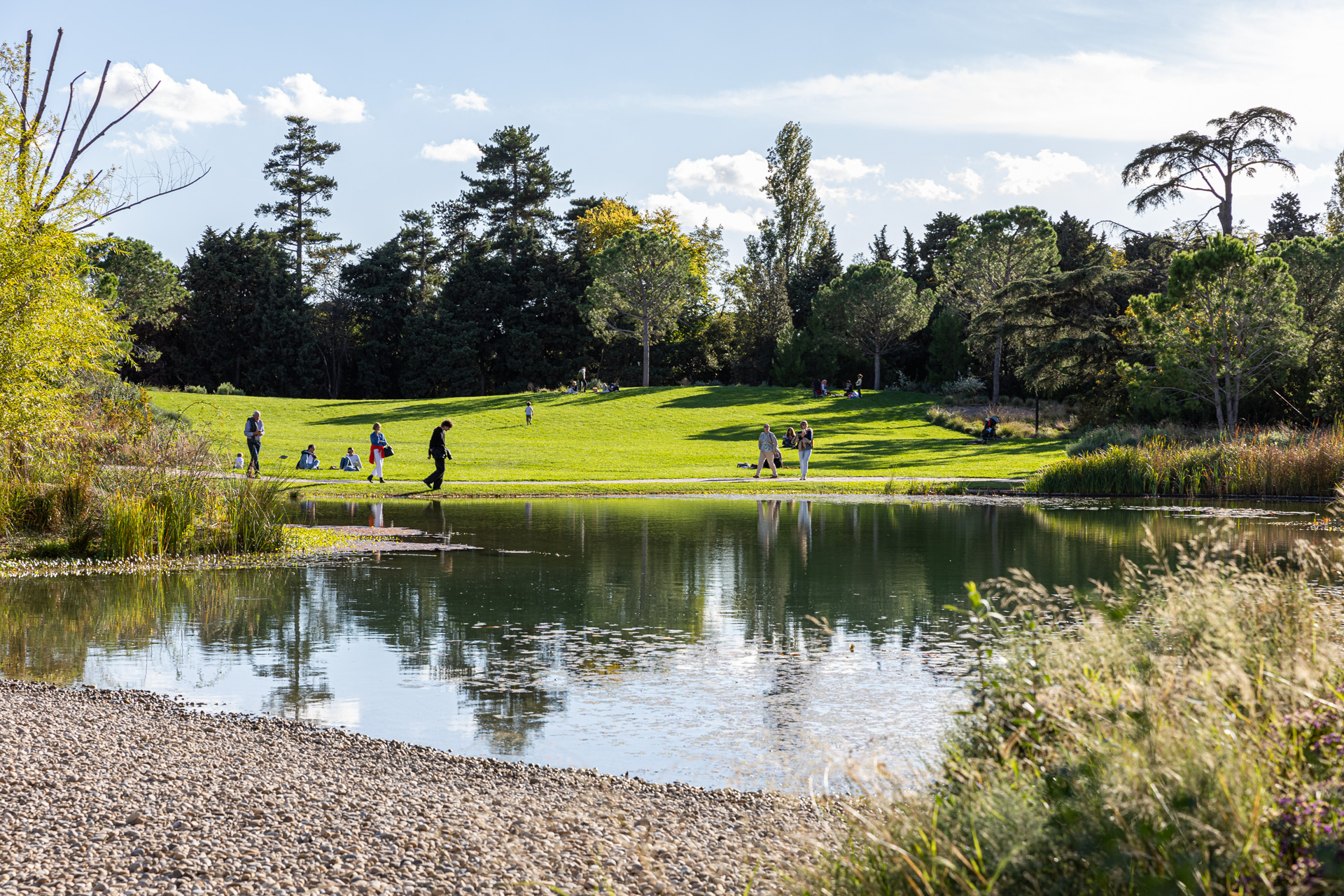
Les paysages du Parc des Ateliers (in French only)
Saturday, June 6, at 10:00 a.m.
In the 19th century, the Parc des Ateliers was developed as an industrial site, with the entire area covered by a concrete slab.
In the 21st century, LUMA Arles commissioned landscape architect Bas Smets to transform the site into a vast public park. Drawing inspiration from the distinctive landscapes surrounding Arles — the Camargue, the Crau plain, and the Alpilles mountains — he reimagined the Parc des Ateliers as a living ecosystem rooted in its local environment.
This tour explores the evolution of this unique site and offers insight into the extensive rewilding and planting process that shaped the park.
Ages 12 and up (adult accompaniment required)
Language: French
Duration: 1 hour
Price: €5 per person

Photo: © Adrian Deweerdt
Workshop
Teinture textile végétale (in French only)
Saturday, June 6, at 3:00 p.m.
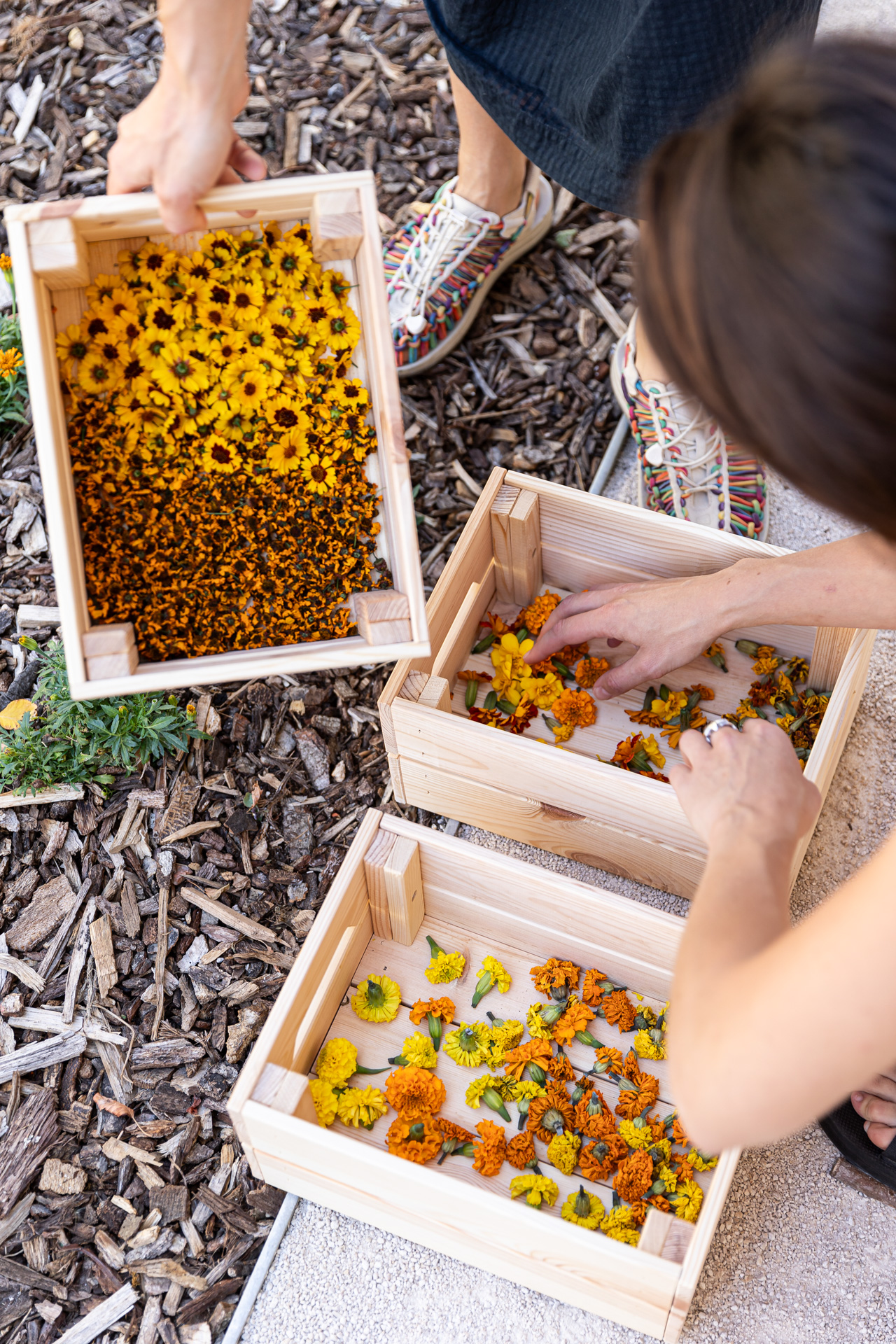
This workshop introduces participants to a plant-based dyeing technique using printed patterns. Guided by Mathilde Laroche, textile engineer at Atelier LUMA, alongside a LUMA Arles cultural guide, participants will discover a variety of plants grown in Atelier LUMA’s experimental garden.
Using merino wool fabric sourced from the Arles region, each participant will then create their own designs with stamps and brushes. In a second step, the fabrics will be dyed in color baths made from plants cultivated in the dye garden.
Ages 12 and up (adult accompaniment required)
Language: French
Duration: 2 hour
Price: €6 per person

Photo: © Adrian Deweerdt
The landscaped park
The LUMA Arles landscaped park, designed by Bas Smets, is a 4-hectare living ecosystem inspired by the landscapes of the Camargue. It brings together biodiversity, research, and environmental awareness, creating a dialogue between nature, art, and culture.