Gerhard Richter
Artist
/Portrait_Gerhard_Richter_Foto_David_Pinzer-1536x1024%20(1)%20-%20844%20x%20563.webp)
The artist Gerhard Richter was born in Dresden in 1932. From 1951 to 1956 he studied wall painting at the Academy of Fine Arts there. In 1961 he left the GDR and moved to Düsseldorf. From 1961 to 1964 Richter studied painting in the class of K. O. Götz at the State Art Academy in Düsseldorf. Ten years later he became a professor of painting in Düsseldorf. In 1994 he gave up his teaching position.
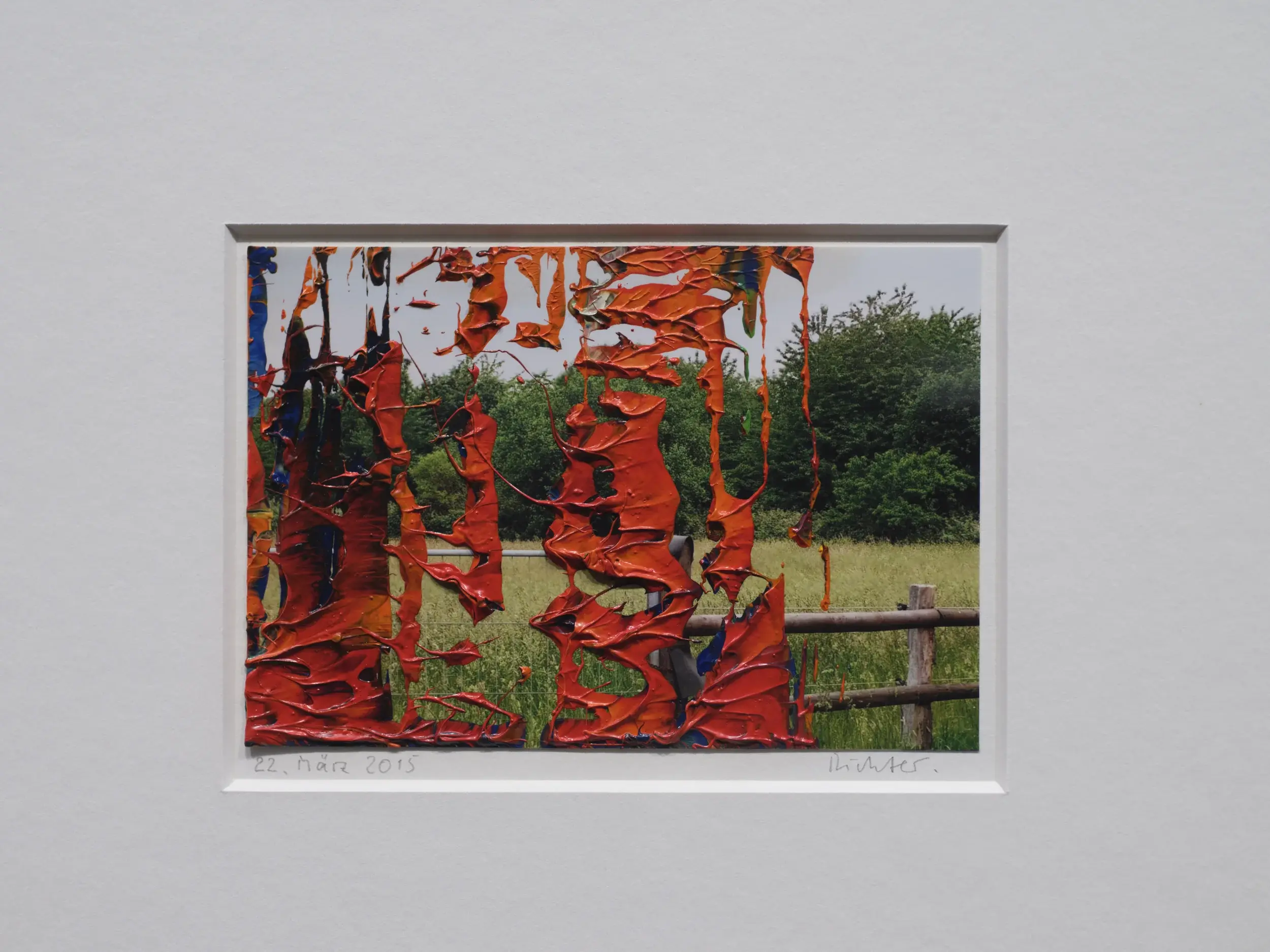
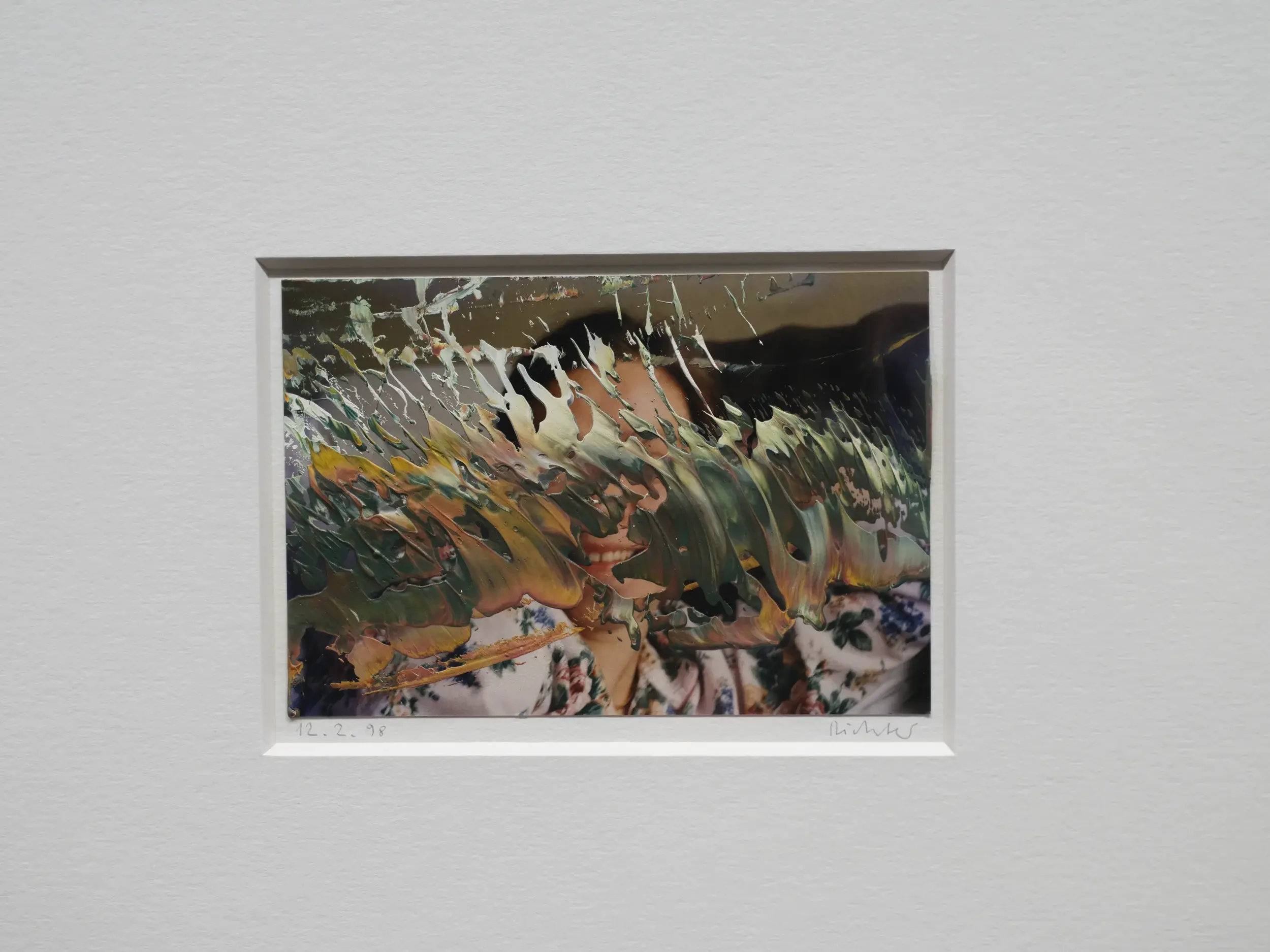
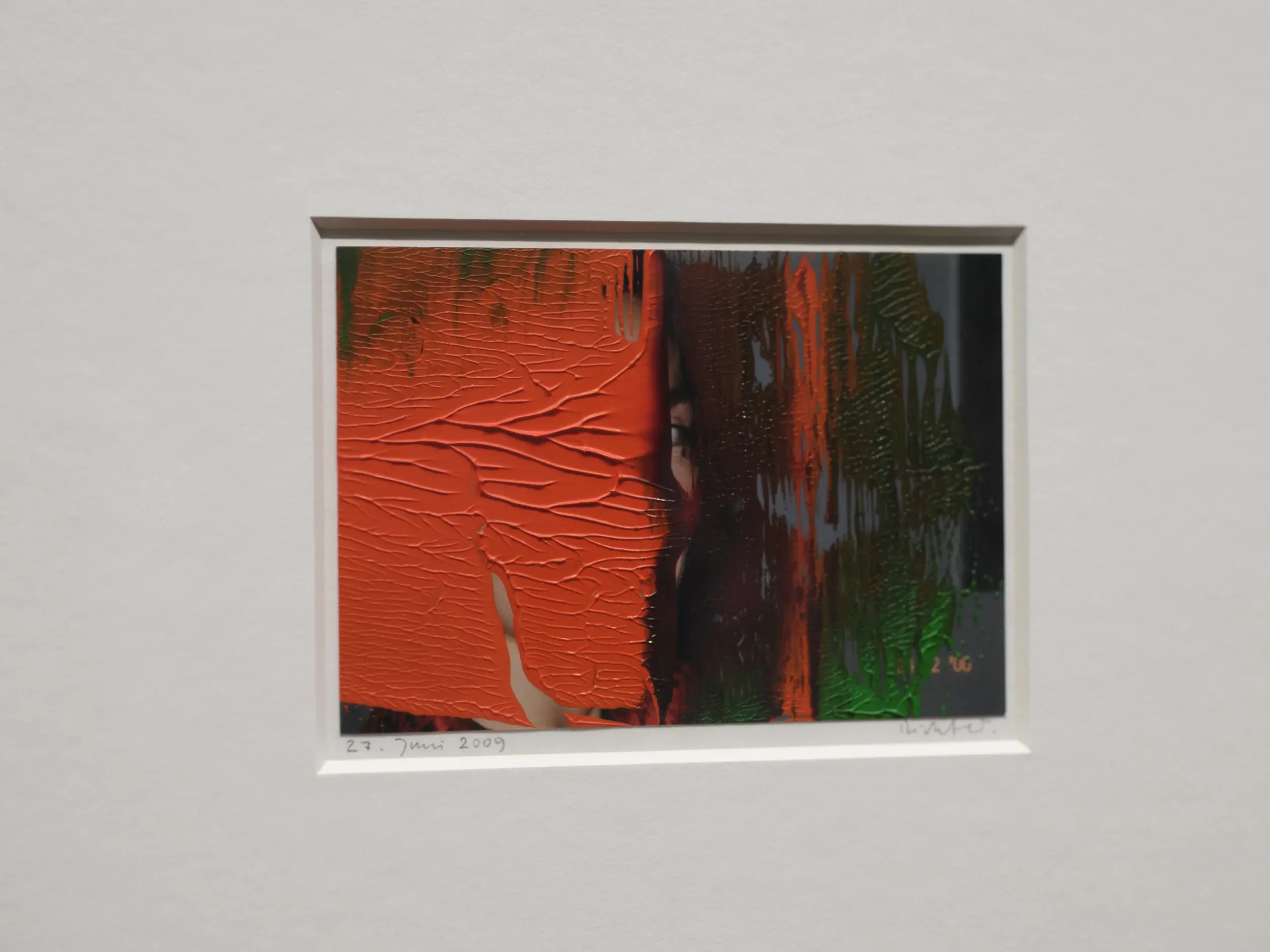
From 1962 onwards, while still a student, he developed his own artistic oeuvre, initially based on photographic models. He later expanded his painting to include a wide variety of abstract styles. In addition to paintings and objects, Richter's complex oeuvre also includes drawings, watercolors, editions as well as multiples, and, since 1986, overpainted photographs. His works can be found in the most important museum collections and are exhibited worldwide. Gerhard Richter is considered one of the most important and influential living artists.
The artist lives and works in Cologne.
-
On this page
- Quote(s)
- Image(s)
- Exhibition(s) / Event(s)
-
On this page
- Quote(s)
- Image(s)
- Exhibition(s) / Event(s)
Quote(s)
Gerhard Richter on his artworks:
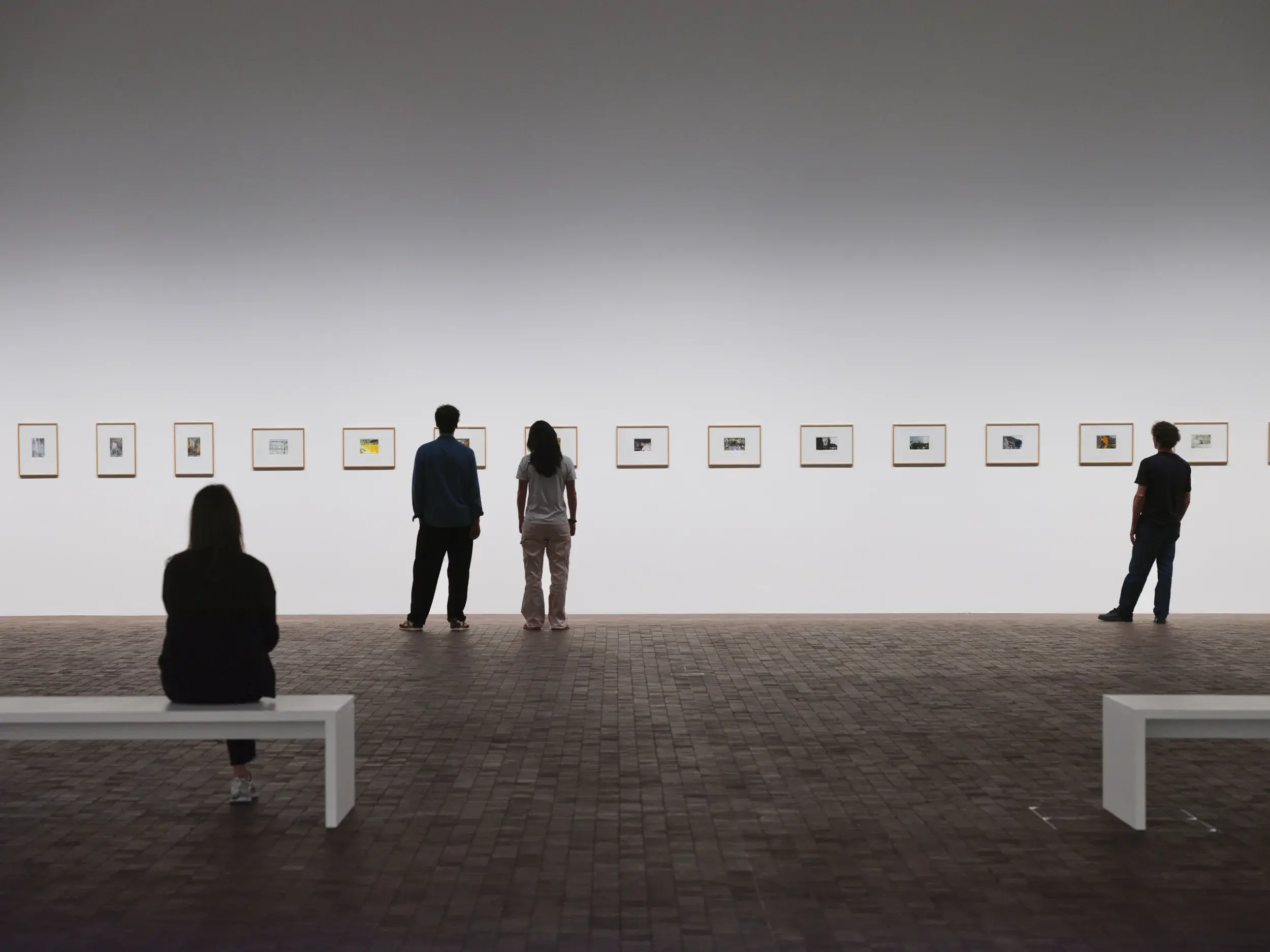
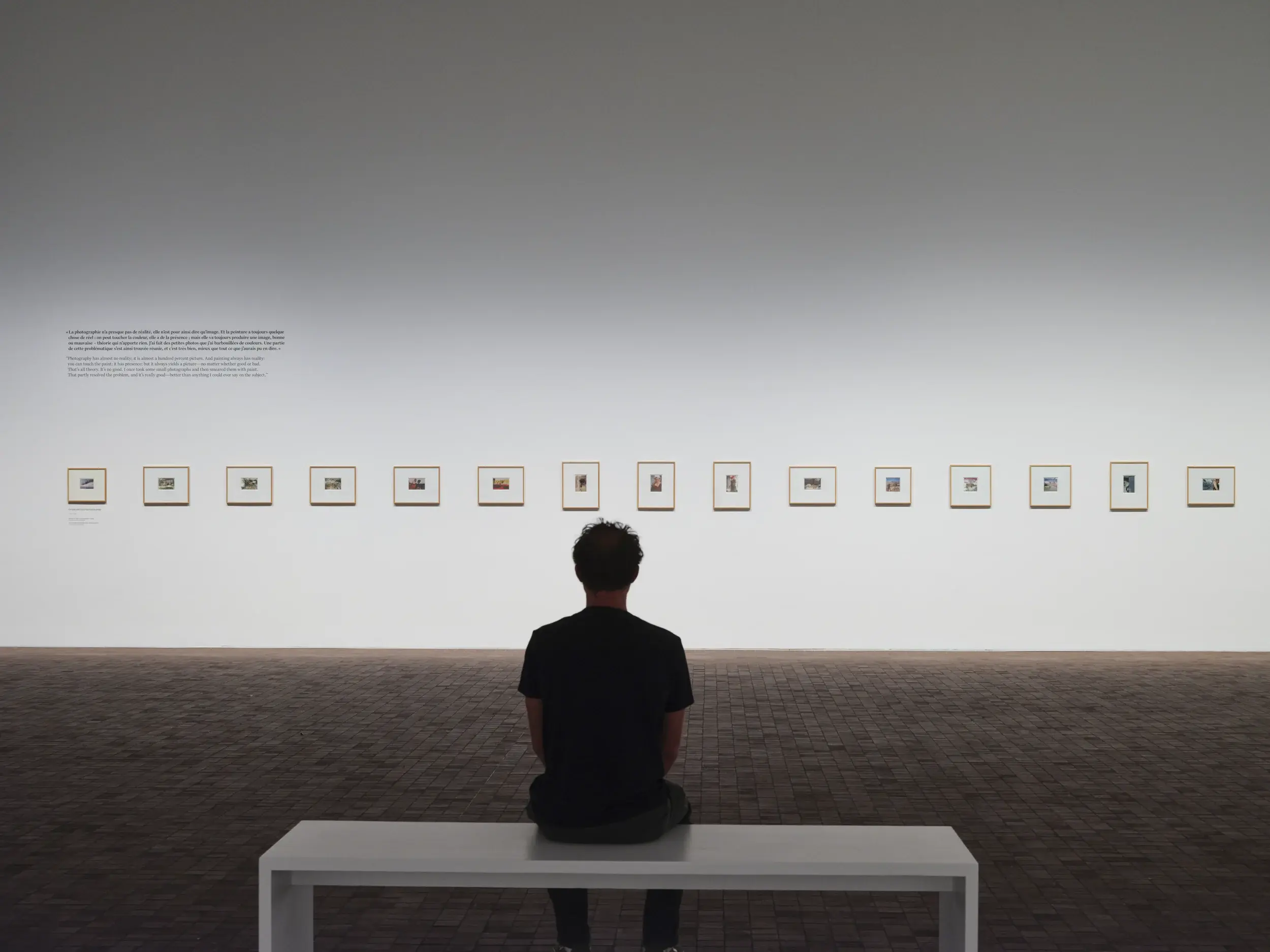
“Photography has almost no reality; it is almost a hundred percent picture. And painting always has reality: you can touch the paint; it has presence; but it always yields a picture—no matter whether good or bad. That’s all theory. It’s no good. I once took small photographs and then smeared them with paint. That partly resolved the problem, and it’s really good—better than anything I could ever say on the subject.”
“I have always come back to this great interest in painting over photographs. But I am more interested in the optical dimension, that is, the creation of appearance.”
“The impact of photography has grown so rapidly since the beginning of this century that today we have arrived at a point where we trust reproduced reality in the form of a photograph more than we do reality itself. We believe that photographs reflect reality and that the information relayed by a photograph is much more precise and more convincing than even the best drawing.”
Related Exhibition(s) / Event(s)