Open |
Open from
Closed today
Ticketing
My selection

Though it’s dark, still I sing, Works from the 34th Bienal de São Paulo

The exhibition presents, for the first time in France, works by leading contemporary artists from around the world. Bringing together some of the most innovative artistic approaches of today alongside experimental works by established practitioners from recent decades, it offers a broad perspective on contemporary artistic practice.

The 34th Bienal de São Paulo was conceived as a platform for diversity and multiplicity, embracing a polyphony of artistic voices. Following its presentation at the Bienal's main venues in São Paulo, different iterations traveled to São Luís (Maranhão), Campinas (São Paulo), São José do Rio Preto (São Paulo), Campos do Jordão (São Paulo), Belo Horizonte (Minas Gerais), Fortaleza (Ceará), Belém (Pará), Rio de Janeiro, and Santiago, Chile.

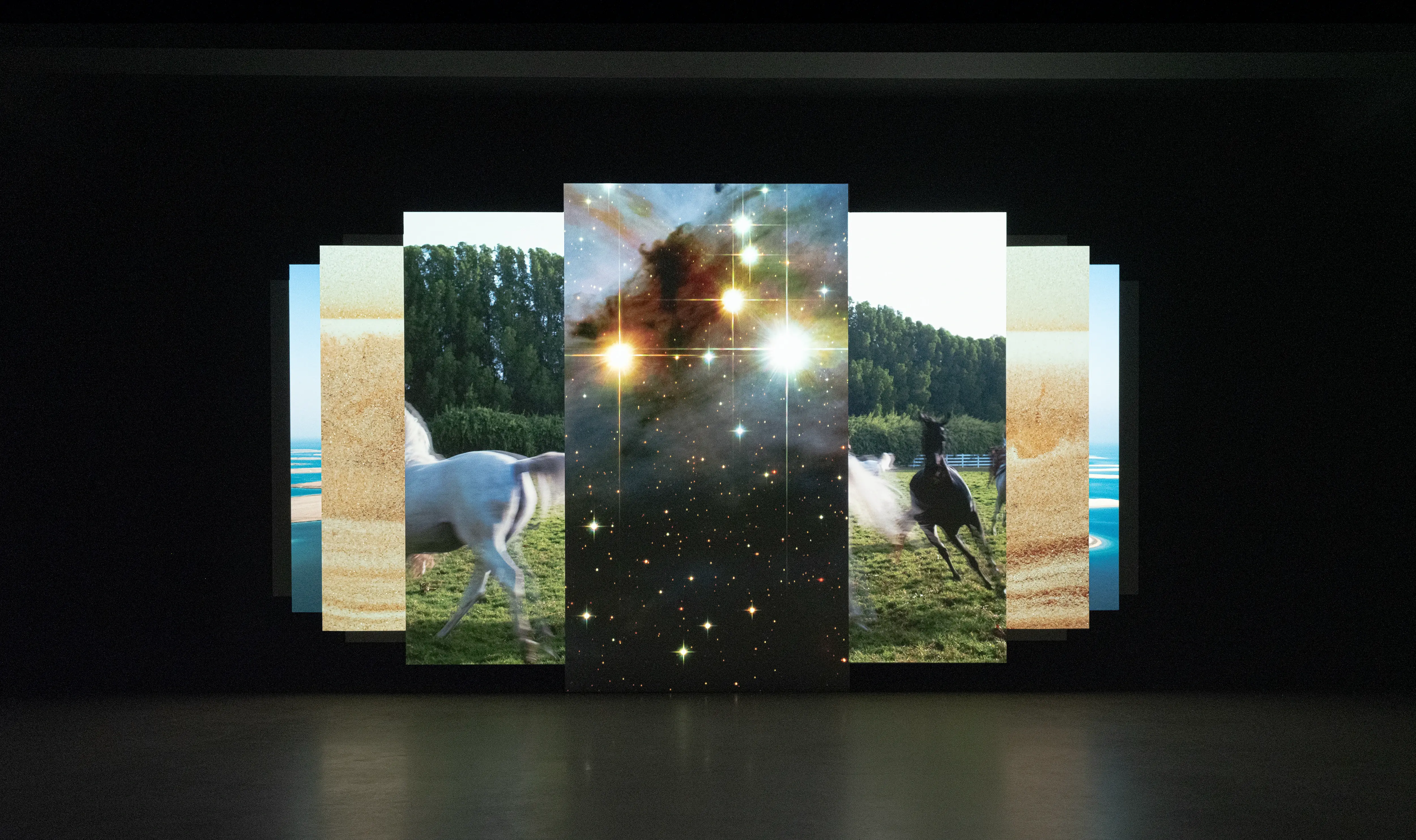
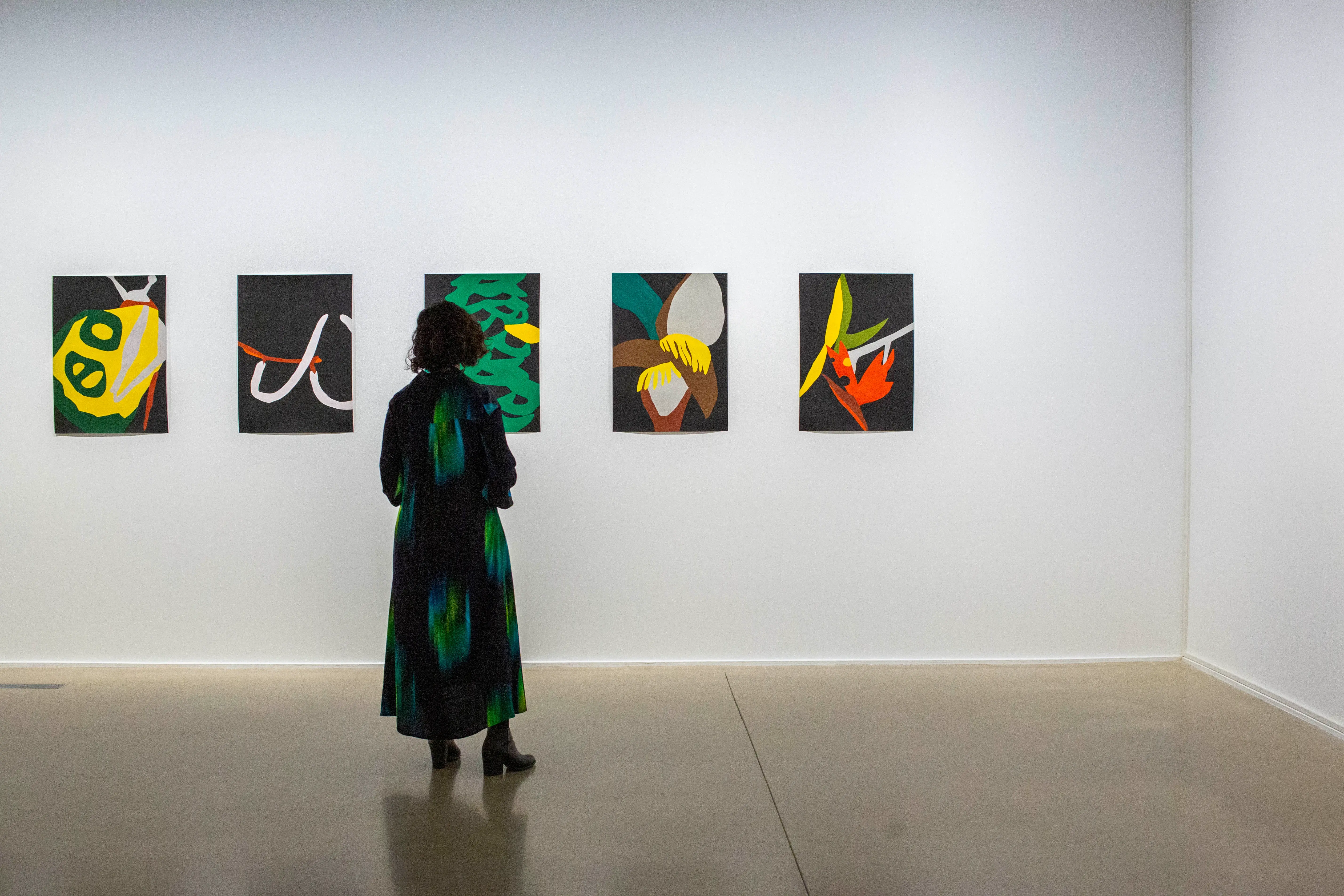
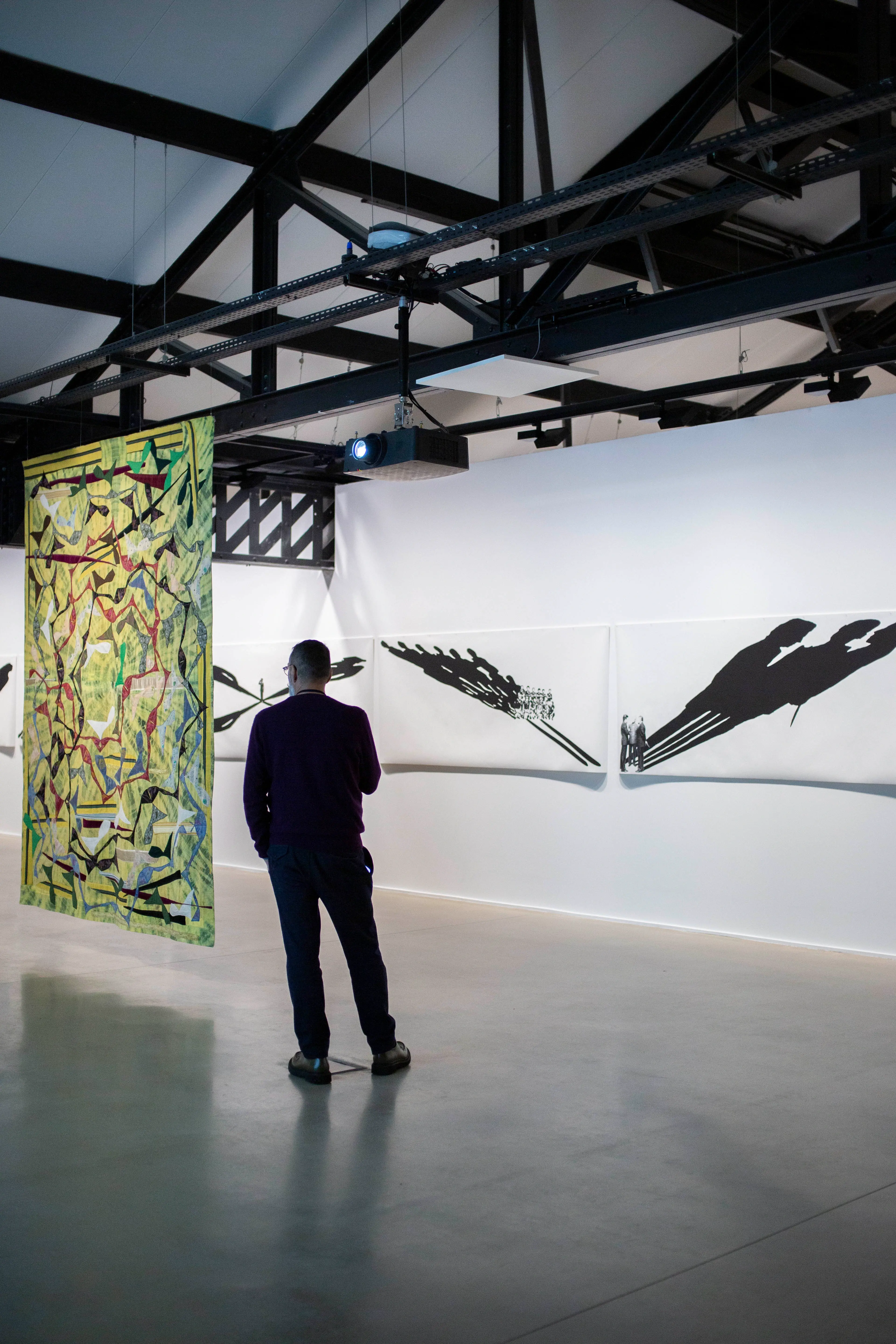
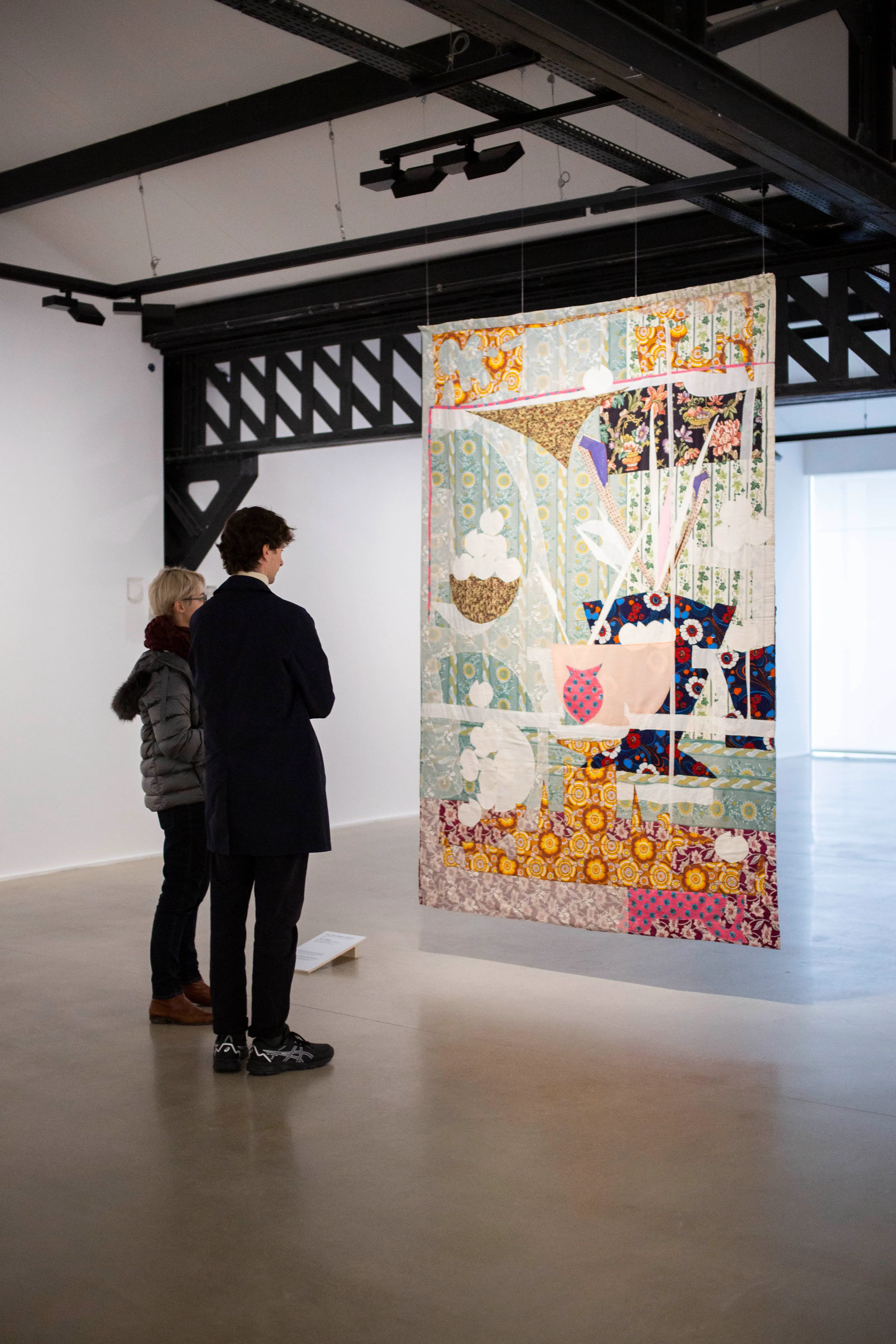
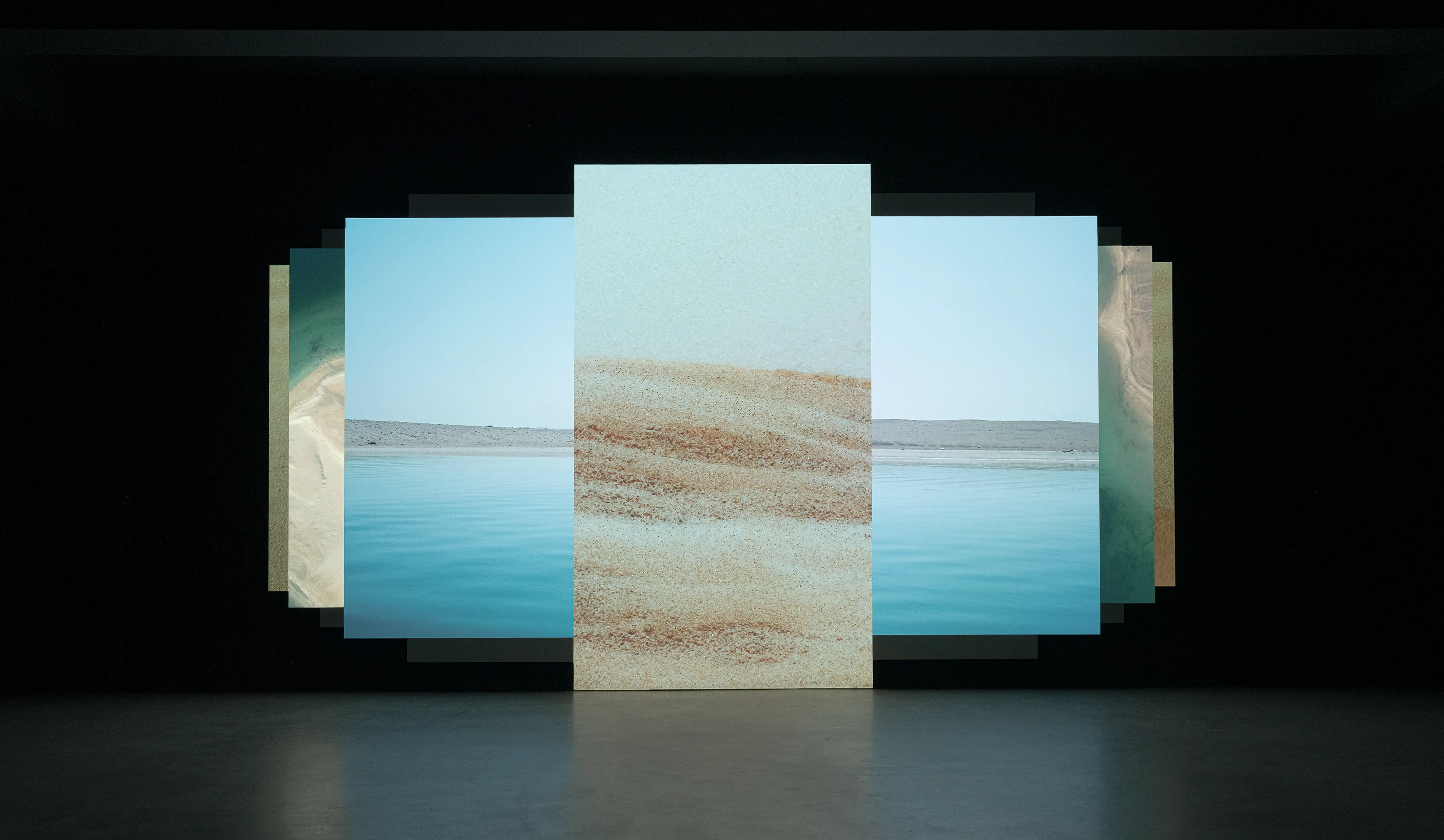
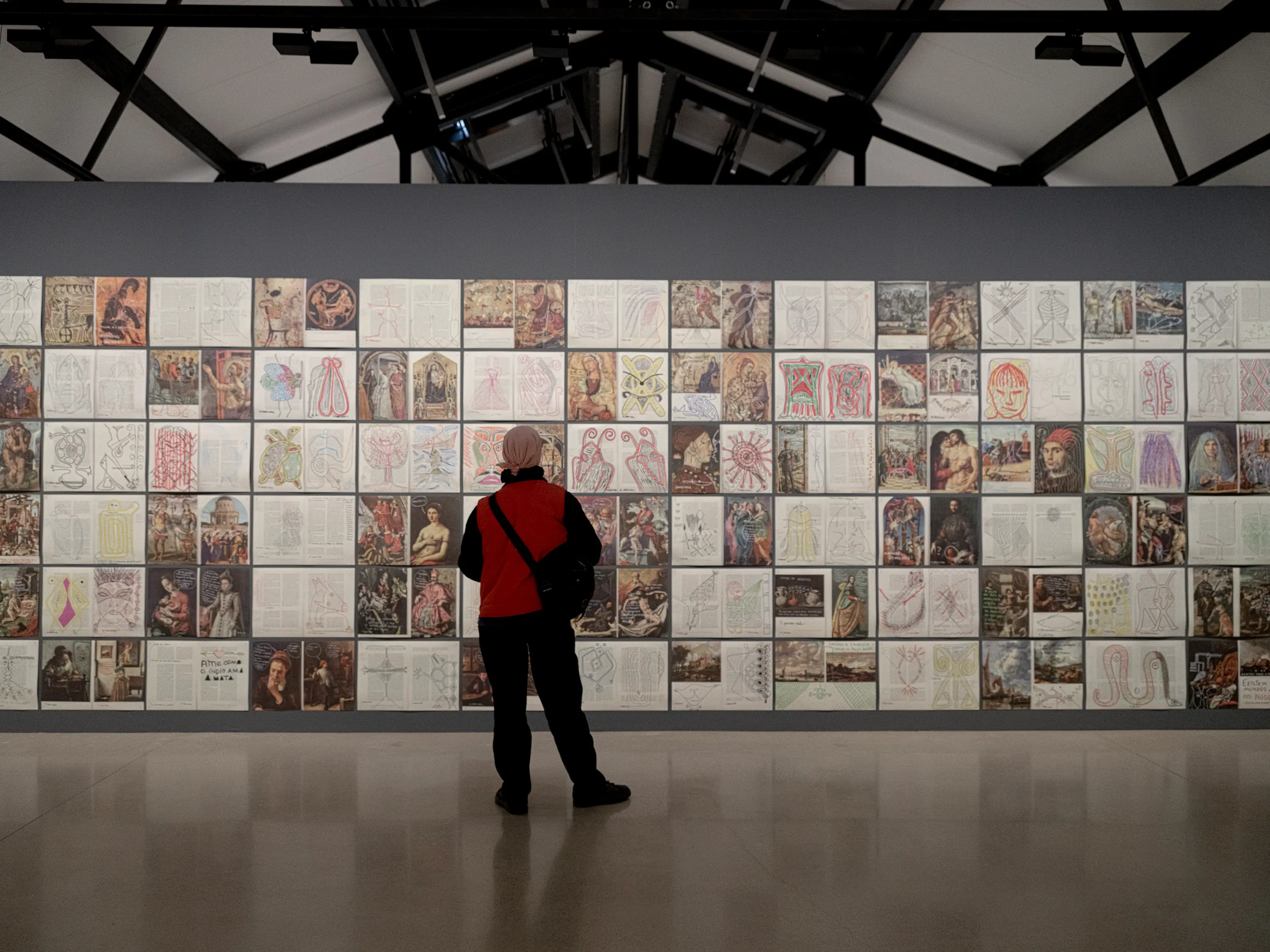
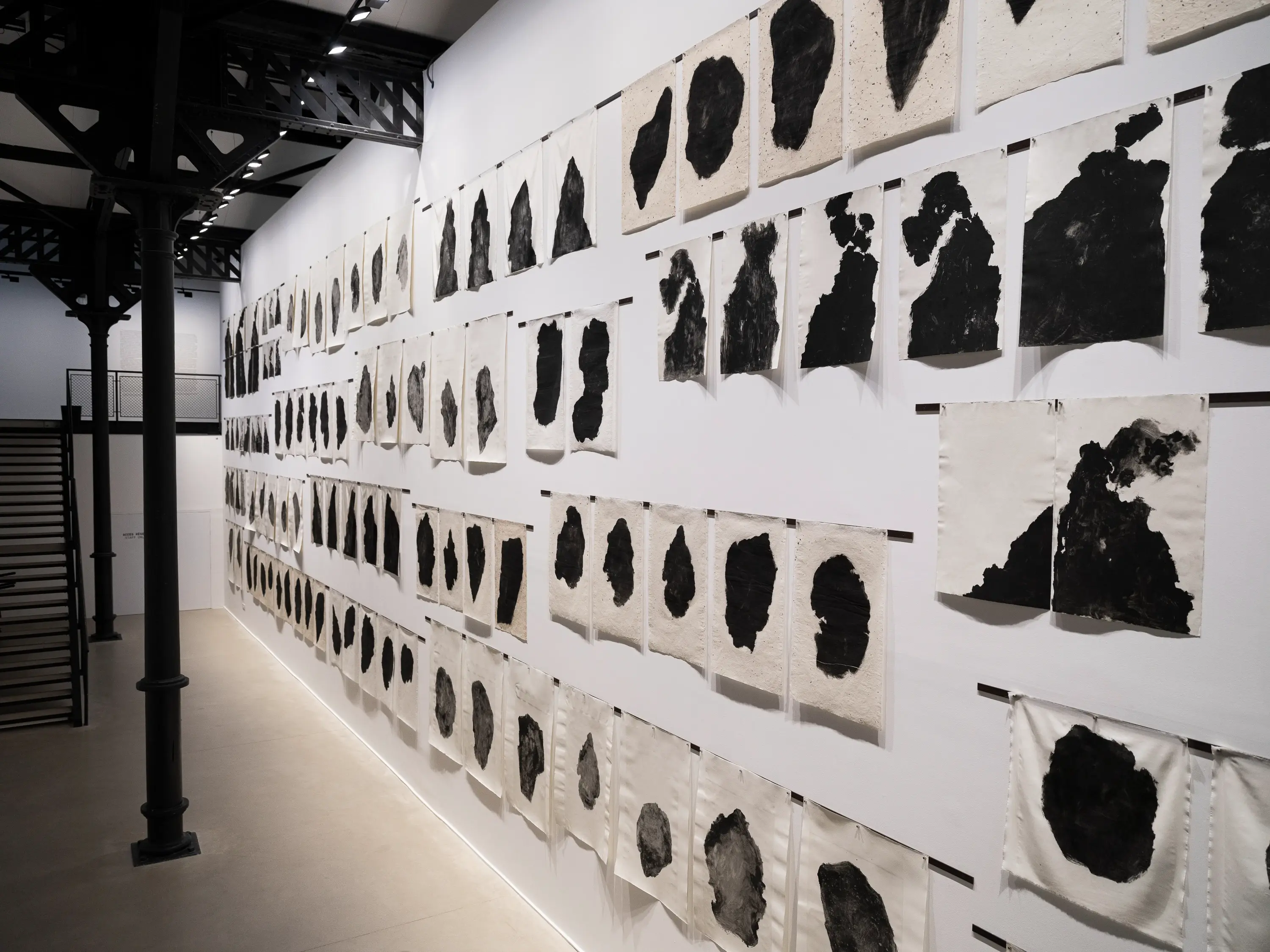
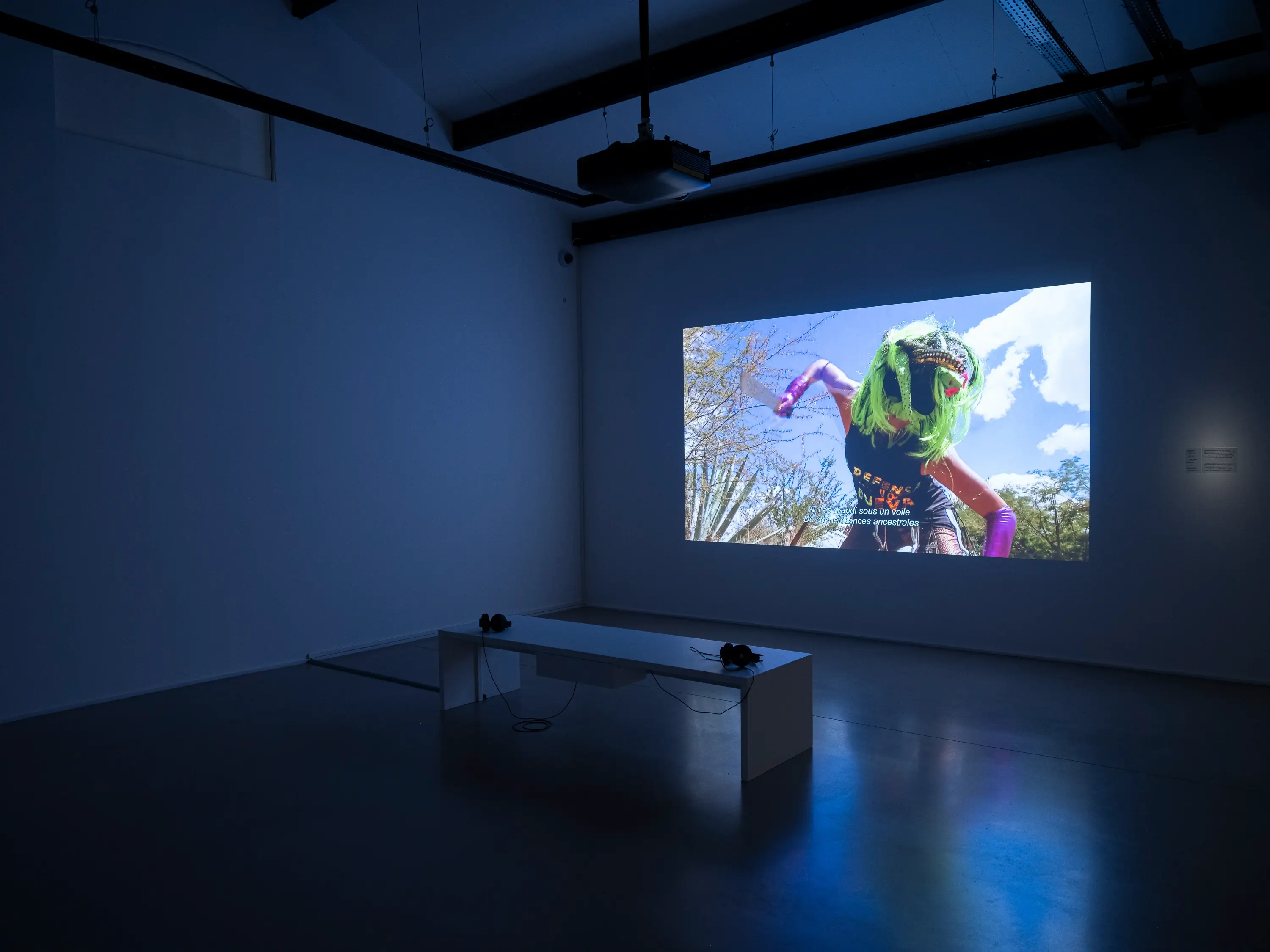
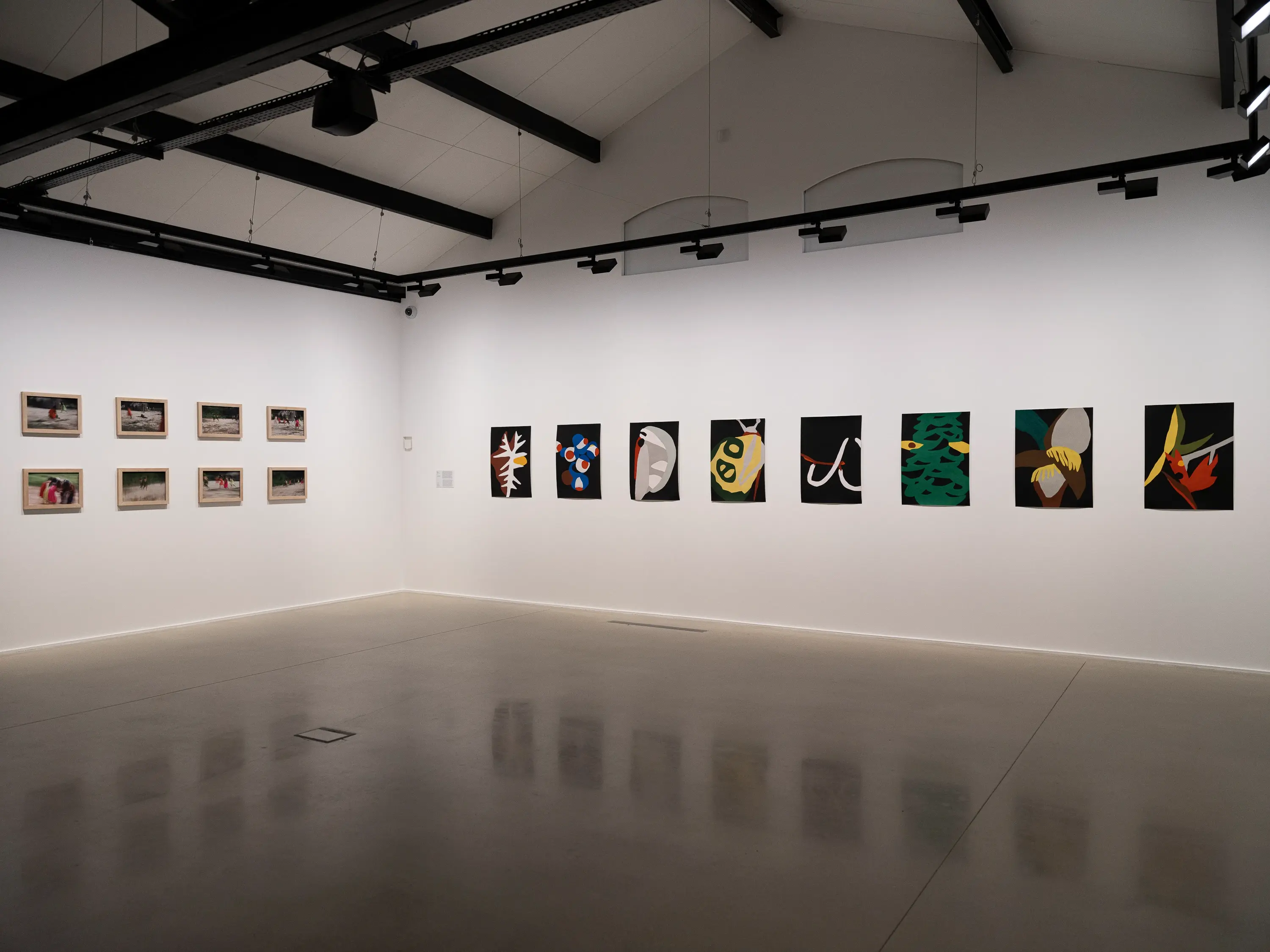
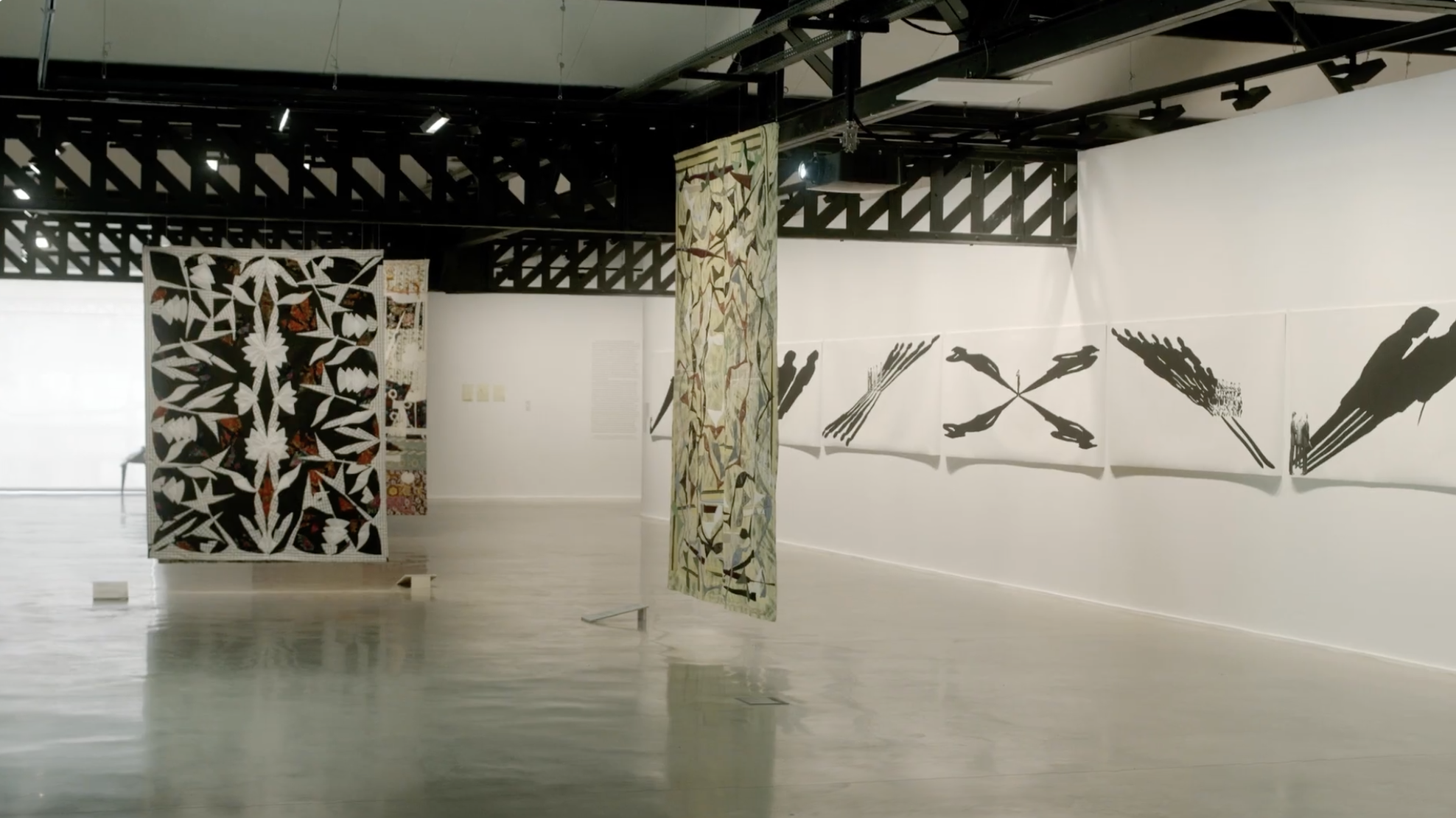
Though it's dark, still I sing, Works from the 34th Bienal de São Paulo marks the first presentation of the Bienal in both Europe and France. Presented at Les Forges at LUMA Arles, the exhibition brings together works that explore perception, transformation, and the ways in which multiple realities can coexist. Installations, sound works, paintings, videos, photographs, and letters invite visitors into a rich and layered dialogue.

Structured around a series of thematic statements, Though it's dark, still I sing, Works from the 34th Bienal de São Paulo features fourteen artists from seven countries. Their works engage with political narratives, postcolonial histories, environmental issues, and Indigenous worldviews.

The traveling exhibitions of the 34th Bienal de São Paulo were developed around a series of "statements" selected by the curatorial team. Portraits of Frederick Douglass, The Death Watch (A Ronda da Morte) by Hélio Oiticica, The Bell of Ouro Preto, and Tikmū’ūn Songs punctuate the exhibition, functioning as conceptual anchors. Centered on immaterial objects and narratives with compelling histories, these statements create new ways of reading the artworks while shaping a journey across time and place.

20221214_LUMA_BSP_EXPOSITION_DSF5814
Credits
© Victor & Simon / Joana Luz

A Selection of Images from the Exhibition

Asterism_def_2
Credits
© Victor & Simon / Joana Luz
_X3A2089
Credits
© Victor & Simon / Joana Luz
_X3A2128
Credits
© Victor & Simon / Joana Luz
_X3A2194
Credits
© Victor & Simon / Joana Luz
Asterism_def_5
Credits
© Victor & Simon / Joana Luz
20221214_LUMA_BSP_EXPOSITION_DSF5764
Credits
© Victor & Simon / Joana Luz
20221214_LUMA_BSP_EXPOSITION_DSF1685
20221214_LUMA_BSP_EXPOSITION_DSF1704
Credits
© Victor & Simon / Joana Luz
20221214_LUMA_BSP_EXPOSITION_DSF5550

Statements

The traveling exhibitions of the 34th Bienal de São Paulo were developed around a series of ‘statements’ that were selected by the curatorial team. Focusing on ideas of immaterial objects or narratives with compelling histories, around which artworks and artists come together these ‘statements’ aim to produce new readings of the artworks’ meaning while setting the tone for a journey through time and space.

About the statement The Portraits of Frederick Douglass

Born in Talbot County, Maryland (USA), in February 1817 (or 1818, depending on source), Frederick Augustus Washington Bailey was the son of an enslaved black mother and a probably white father who never recognized him – perhaps the plantation owner or overseer where his mother was forced to work. Despite numerous obstacles, he learned to read and write in his childhood and adolescence. He even organized literacy classes for other enslaved people like him. After some unsuccessful attempts, in 1838 he managed to flee to New York, which had abolished slavery in 1827. However, the dread and insecurity caused by slave catchers forced him to quickly move to New Bedford, Massachusetts, where he adopted the Douglass surname. Eloquent, charismatic and having lived realities that gave him a powerful perspective on society, Douglass promptly began an extraordinary career as a writer, orator, politician and, above all, activist for the abolition of slavery – which only became a reality in the United States in 1865. He became one of the most acclaimed and admired figures in the anti-slavery struggle. In 1895, when he died, Douglass was regarded as one of the most important men in US history.

In 1841, Douglass commissioned his first photographic portrait. He was fully aware that his image as a free black man could reverberate and amplify the anti-slavery fight. In a pioneering way, Douglass realized that the extensive circulation that the photographic medium allowed would be of utmost importance in helping the anti-racist struggle and the fight against post-abolition segregation. No wonder, over the next five decades or so, he would become the most photographed person in nineteenth century America, demonstrating enormous mastery over his pose, dress, appearance, and framing. This unique portrait corpus is presented in the 34th Bienal de São Paulo, in almost its entirety, for the first time as part of an art exhibition.

Under Douglass’ penetrating and challenging gaze, works produced in different moments and contexts weave a complex and rhizomatic narrative, which reaffirms the importance of looking back, today, to the displacement, violence and resistance processes that scarred and continue to wound the lives of uncountable people. In these works, flows of images, cultures, and bodies intersect. They are the witnesses of the possibility to metabolize past and present traumas as fuel to demand the construction of the foundations of a fairer future.

About the statement "The Death Watch" [A Ronda da Morte] by Hélio Oiticica

Hélio Oiticica (b. Brazil, 1937 – 1980) lived in New York during the military dictatorship’s most violent years, those after Institutional Act No. 5 (AI-5) promulgation in December 1968. Back in Brazil in 1978, the artist realized he could no longer meet many of the people he befriended in Rio’s favelas and samba parties in the mid-1960s. He attributed these absences to the State’s systematic annihilation of part of the population. Shaken by the brutal execution of yet another of his friends in the following year, Oiticica wrote a letter to photographer Martine Barrat describing a “parangolé-area” called A Ronda da Morte [The Death Watch]. Similar to a black circus tent, it would be an inviting environment with strobe lights and music playing inside for people to come in and dance. While the party would go on inside the tent, horseback men emulating a police patrol would surround it.

The work, which was never carried out, was planned to be presented for the first time in 2020 for the 34th Bienal. This was made impossible due to the pandemic. However, A Ronda da Morte, represented by archival documents, was incorporated as a statement, in dialogue with works that had already been exhibited in past Biennials – as the present mobilizes the opportunity to revisit its original meaning, or even to elaborate on it – as well as alongside works that address situations of State violence and stress the limit between past and present and the idea of repetition in history.

About the statement "The Bell of Ouro Preto"

The Capela de Nossa Senhora do Rosário dos Homens Brancos [Chapel of Our Lady of the Rosary of the White Men], most commonly known as Padre Faria Chapel, is a small church in Ouro Preto, Minas Gerais, which has a bell tower that bears a bronze bell that was cast in Germany in 1750. On April 21, 1792, this bell was the only one in the colony to toll in open disobedience to the official order that forbade homage to the crown’s enemy. The bell tolled as regret for Tiradentes’ execution, the only Inconfidência Mineira [Minas Gerais Conspiracy] participant whose death sentence was not revoked. With the independence of Brazil and the Proclamation of the Republic, the Minas Gerais’ martyr was declared a national hero. And the bell that tolled in his homage became a symbol of the struggle for the country’s sovereignty and, in 1960, on another April 21, it was taken to Brasília, hoisted beside a replica of the cross used in the first mass held in Brazil, and rang for the new capital’s inauguration.

At the 34th Bienal, the statement raises questions such as: what does it mean, today, to look again at this bell so strongly marked by the history of the colonial period, to feel the time that continues to settle on it? What echoes from Brazil and the world reach, today, to the old Vila Rica and reverberates in the bronze of this bell?

About the statement "Tikmũ’ũn Songs"

The Tikmũ’ũn, also known as Maxakali, are Indigenous people from the area that today encompasses the Minas Gerais, Bahia, and Espírito Santo states. After countless and recurrent episodes of violence and abuse dating to colonial times, the Tikmũ’ũn came to the brink of extinction in the 1940s and were forced to abandon their ancestral lands to survive. Songs organize life in the villages, constituting almost an index of all the elements of their daily lives, like plants, animals, places, objects, knowledge, and of their rich cosmology. Often intended for healing, most of these songs are collectively sung.

In the context of an exhibition conceived, lyrically and metaphorically, in and through the songs’ necessity and power, the example of the Tikmũ’ũn resonates powerfully, also from a political point of view: the community effort is renewed constantly through their singing to collectively create a universe. In the 34th Bienal de São Paulo’s traveling exhibition, around this statement are grouped works that address reflections on the need to preserve the environment and safeguard cultures and knowledge that are transmitted orally from generation to generation, such as the Tikmũ’ũn songs.

C67CAADA9B80B784E0E9E7C33203E951

Victor Anicet

Victor Anicet’s (1938, Le Marigot, Martinique) ceramic works are a continuous exercise in restoring the testimonies of the Martinican people. His father, a fisherman, and his mother, a worker at the sugar mill of a habitation (an extension of the colonial production regime based on slave labor), allowed Anicet his first contact with the ceramics of the Amerindian Arawak people when he was a child, while assisting with the archaeological excavations organized by Father Pinchon at the Adoration site in Le Marigot, in the north of Martinique. Years later, while studying in Paris, he visited the Musée de L’Homme and realized how far he and his people had distanced themselves from their history, which had remained in the hands and voices of the colonizers. Anicet returned to Martinique in 1967 and has since been addressing the lack of space for exhibiting contemporary art there. His exhibition Soleil Noir [Black Sun] of black and white paintings on wood was installed outdoors in 1970. Since then, his work has taken place both inside and outside the studio, whether by joining with other artists interested in debating Caribbean aesthetics to found the group FWOMAJE (1984), by dedicating himself to fostering an institutional space for Martinican art, or by creating public works.
40B7402BE92A02582D27DDF1A5E53952

Zózimo Bulbul

Zózimo Bulbul (Rio de Janeiro, 1937-2013) is a fundamental figure in Brazilian cinema history. From the early 1960s, he experienced a process of politicization that brought him into contact with the initiatives of the Centro Popular de Cultura (CPC) [Popular Center of Culture] of the União Nacional dos Estudantes [National Students Union]. This led him to be cast as one of the protagonists in Cinco vezes favela [Five Times Favela] (1965), a film produced by the CPC, a milestone in Cinema Novo and in the debate on the social and cultural conditions of working and black populations in Brazilian audiovisual media. Bulbul was thus consolidated as one of the most important actors of his generation, working with directors such as Leon Hirszman, Nelson Pereira dos Santos and Glauber Rocha. While spending time amid the intellectual and politicized environment of this group of filmmakers, Bulbul participated in debates with the nascent black movements emerging in the country, which led him to rethink his artistic production.
Seba Calfuqueo_DSF6142_Joana Luz

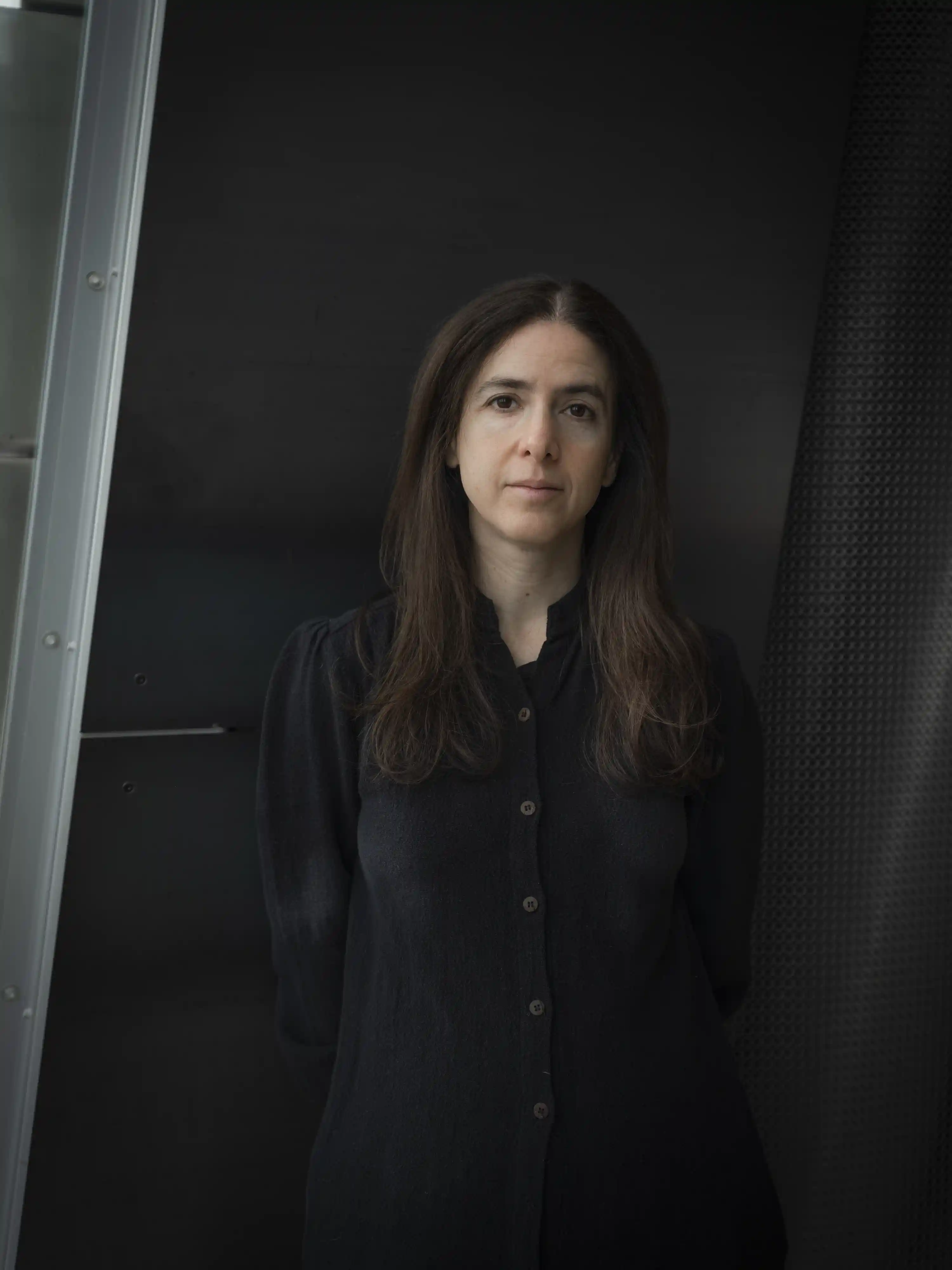
Seba Calfuqueo

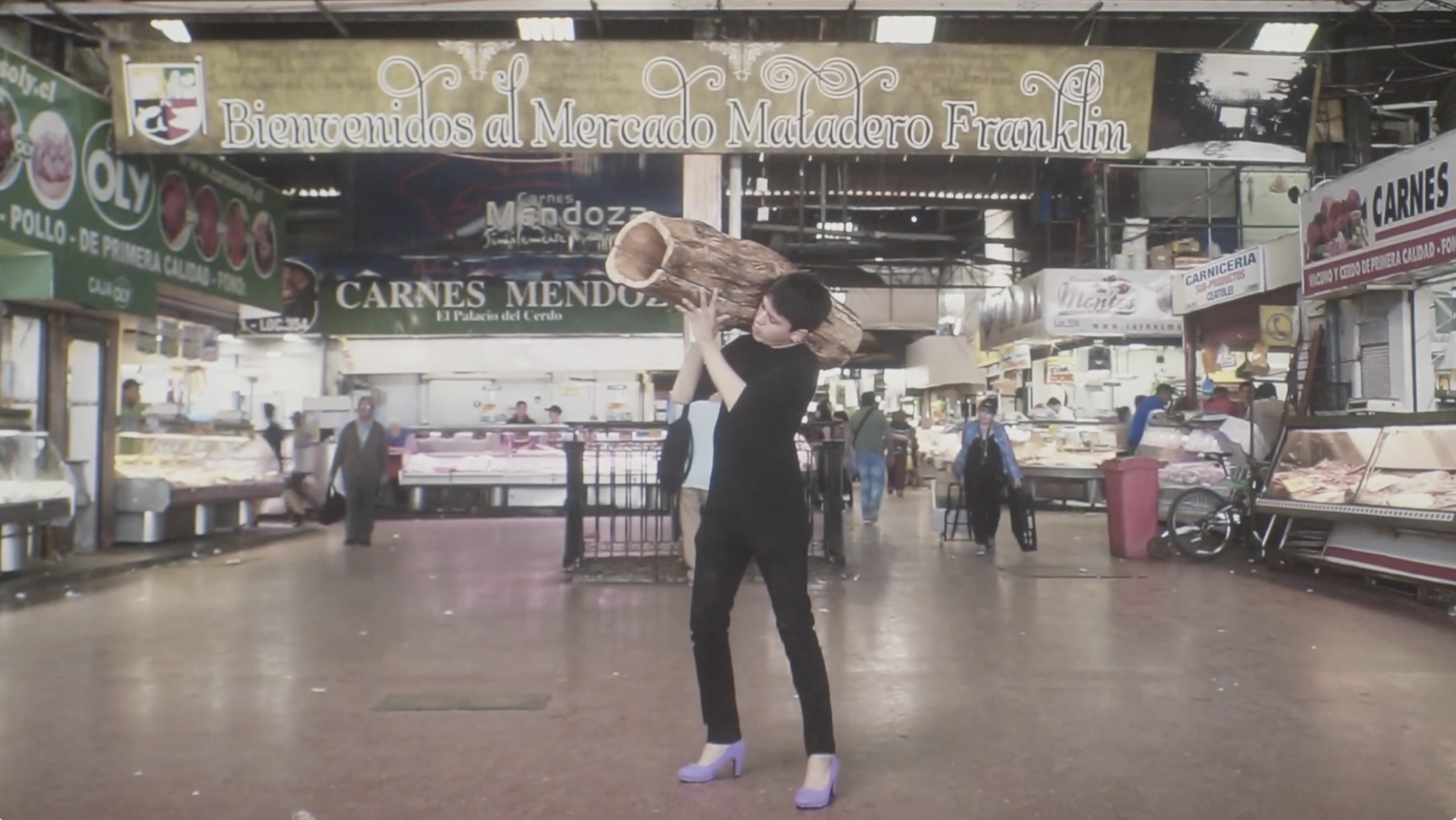
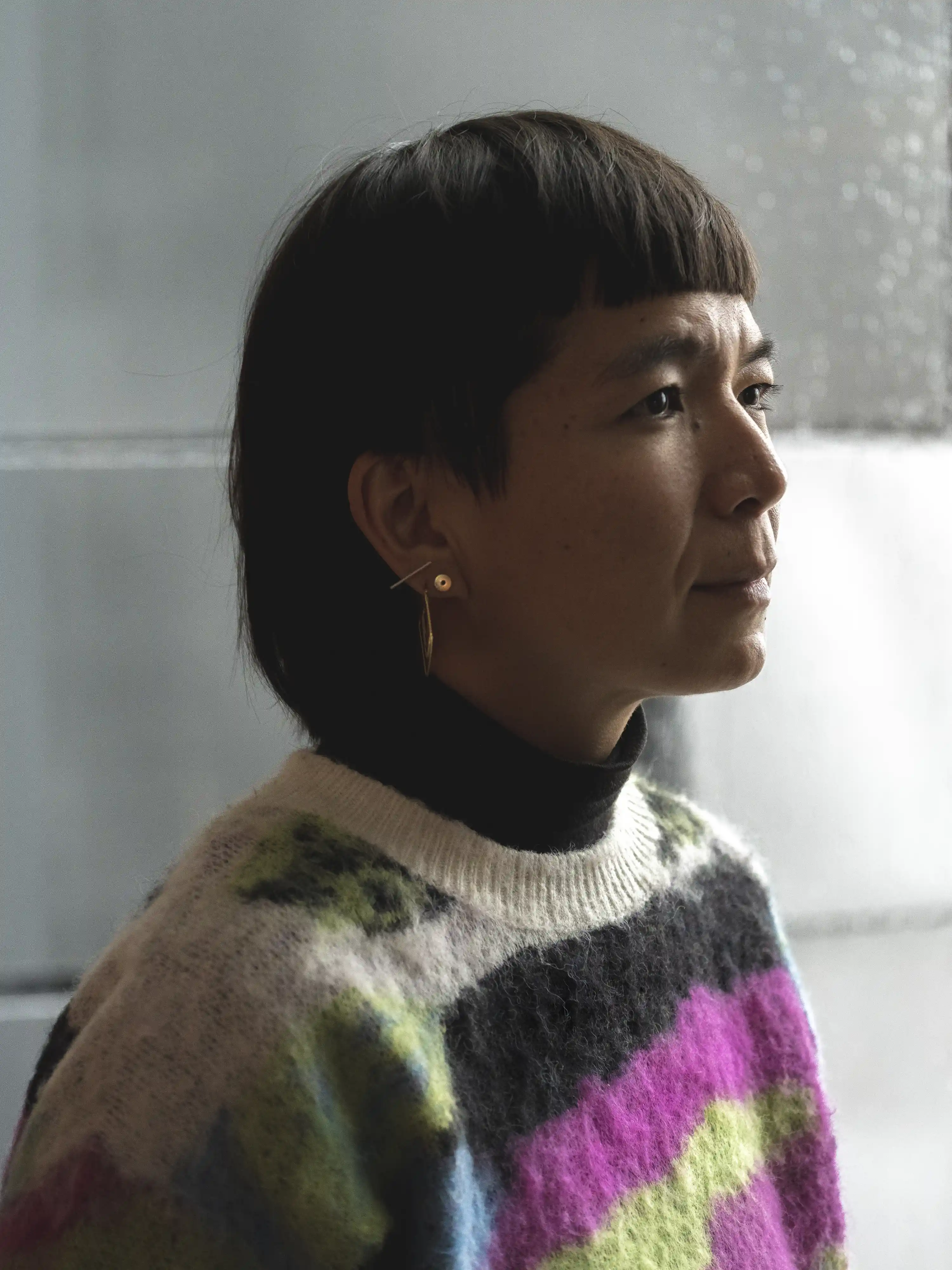
In most of their work, Seba Calfuqueo (1991, Santiago, Chile) touches on or exposes, in a militant and critical manner, their Mapuche ancestry and the discrimination the artist faces in daily life for belonging to an indigenous group and, beyond that, for not fitting into dominant heteronormative narratives. These issues are addressed directly and with impact in one of their first works, You Will Never be a Weye (2015), a filmed recording of a performance in which Calfuqueo reveals how the history of the Machis Weyes (individuals who do not conform to gender binarism) was erased as a result of the Catholic indoctrination imposed by the colonizers and the politics of the Chilean state.
2C58A8F23C73513006C31B0F89A54CE2

Manthia Diawara

Manthia Diawara was born in Mali, West Africa. He is a distinguished Professor of Comparative Literature and Film at New York University. Diawara was educated in Guinea-Conakry, Bamako (Mali) and Paris (France), before migrating to the United States to pursue his studies. Manthia Diawara is a prolific writer and filmmaker. His essays on art, cinema and politics have appeared in The New York Times Magazine, LA Times, Libération, Mediapart and Artforum. He is the author of two autobiographical books: In Search of Africa (Harvard University Press, 2000) and We Won’t Budge: An African Exile in the World (Basic Books, 2008). He has published several books on African and African American cinema. Diawara’s notable films include: An Opera of the World (2017), Negritude: A Dialogue between Soyinka and Senghor (2016), Édouard Glissant, One World in Relation (2010), Maison Tropicale (2008) and Rouch In Reverse (1995).
0059B7CB925DE438BC75DE2F521600A4

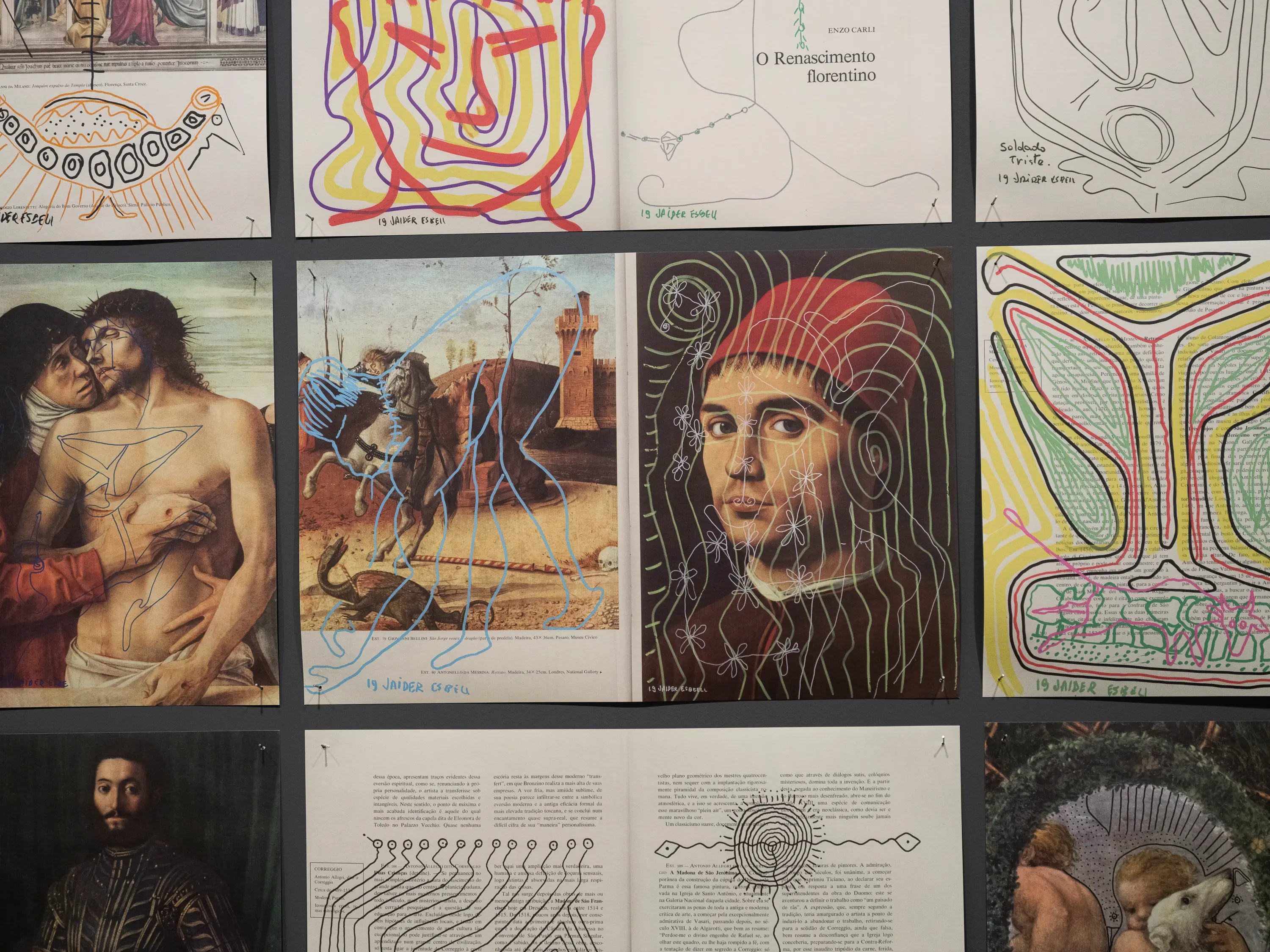
Jaider Esbell

Born in the region currently demarcated as Raposa Serra do Sol Indigenous Land, Jaider Esbell (1979, Roraima, Brazil – 2021, São Sebastião, SP, Brazil) was a Macuxi artist and writer. Since 2013, when he organized the I Encounter of All the Peoples, Esbell played a central role in the movement for consolidating contemporary indigenous art in the Brazilian context, acting in a multiple and interdisciplinary way, combining the roles of artist, curator, writer, educator, activist, promoter, and cultural catalyzer. In his first literary work, Terreiro de Makunaima – mitos, lendas e histórias em vivências [Terreiro de Makunaima – Myths, Legends and Stories in Experiences] (2010), Esbell identifies himself as the grandson of Macunaíma, and espouses the re-appropriation of this figure by the indigenous people, considering that in the Macuxi culture, Makunaima is one of the “children of the Sun,” responsible for the mythical creation of all the edible plants existing in the forest, and therefore very different from the “characterless hero” in the eponymous novel by Mário de Andrade (1928).
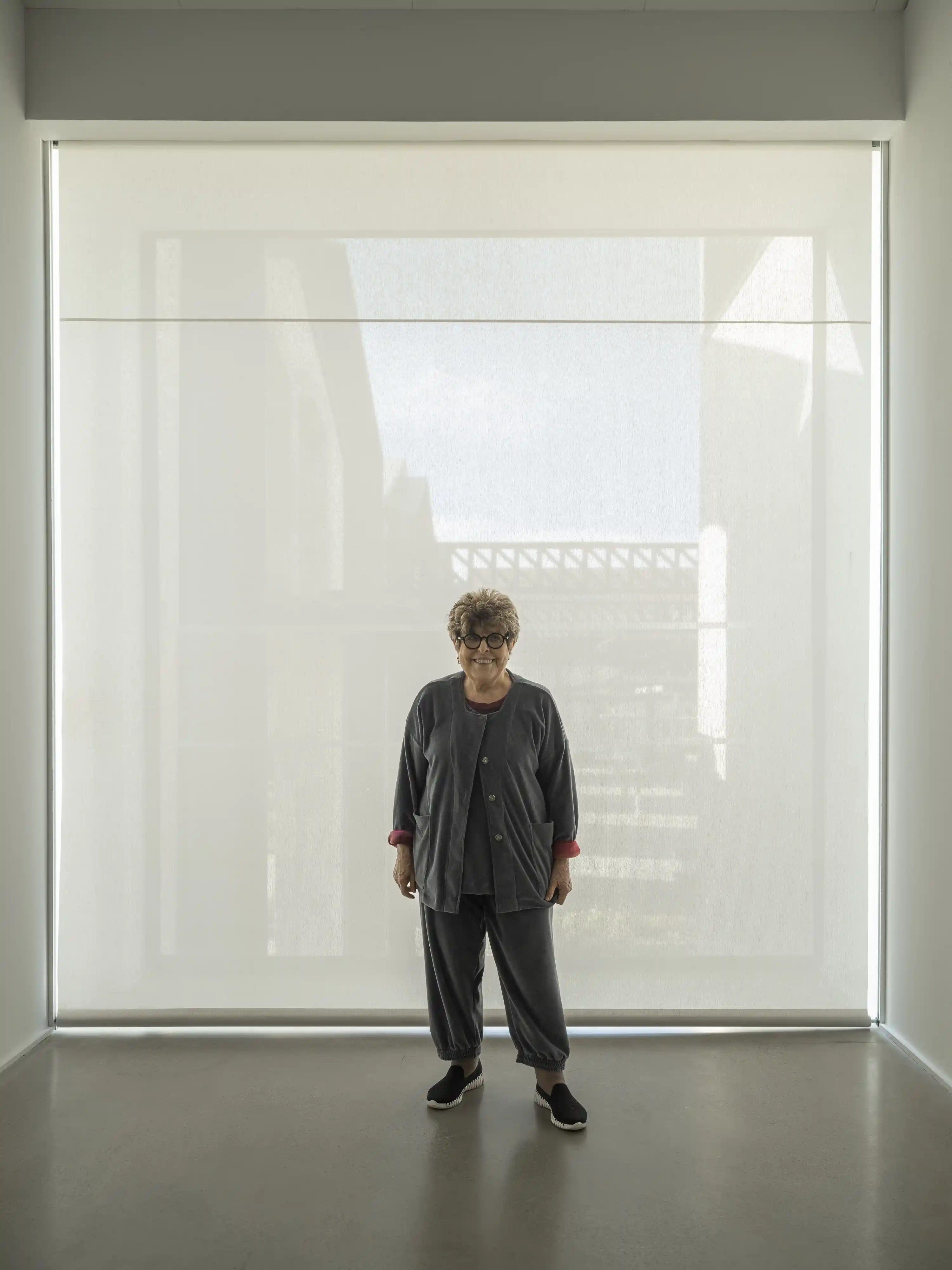
Noa_Eshkol

Noa Eshkol

Noa Eshkol (1924, Palestine – 2007, Israel) was an artist, choreographer, dancer and professor. In the 1950s, together with architect Avraham Wachman, Eshkol developed a system of movement notation (Eshkol Wachman Movement Notation – EWMN) which uses a combination of symbols and numbers to note down the movements of the body and organize them into categories which can then be studied and repeated. Eshkol developed various choreographies with the help of the EWMN system, in which, without depending on the music or the costume, dance becomes a process of interaction between bodies in space and a communitarian activity. EWMN thus transcended the field of dance and can be a tool for observing the relationship between any body and its surroundings, and can be applied in various fields, including studies of language and of behavior.
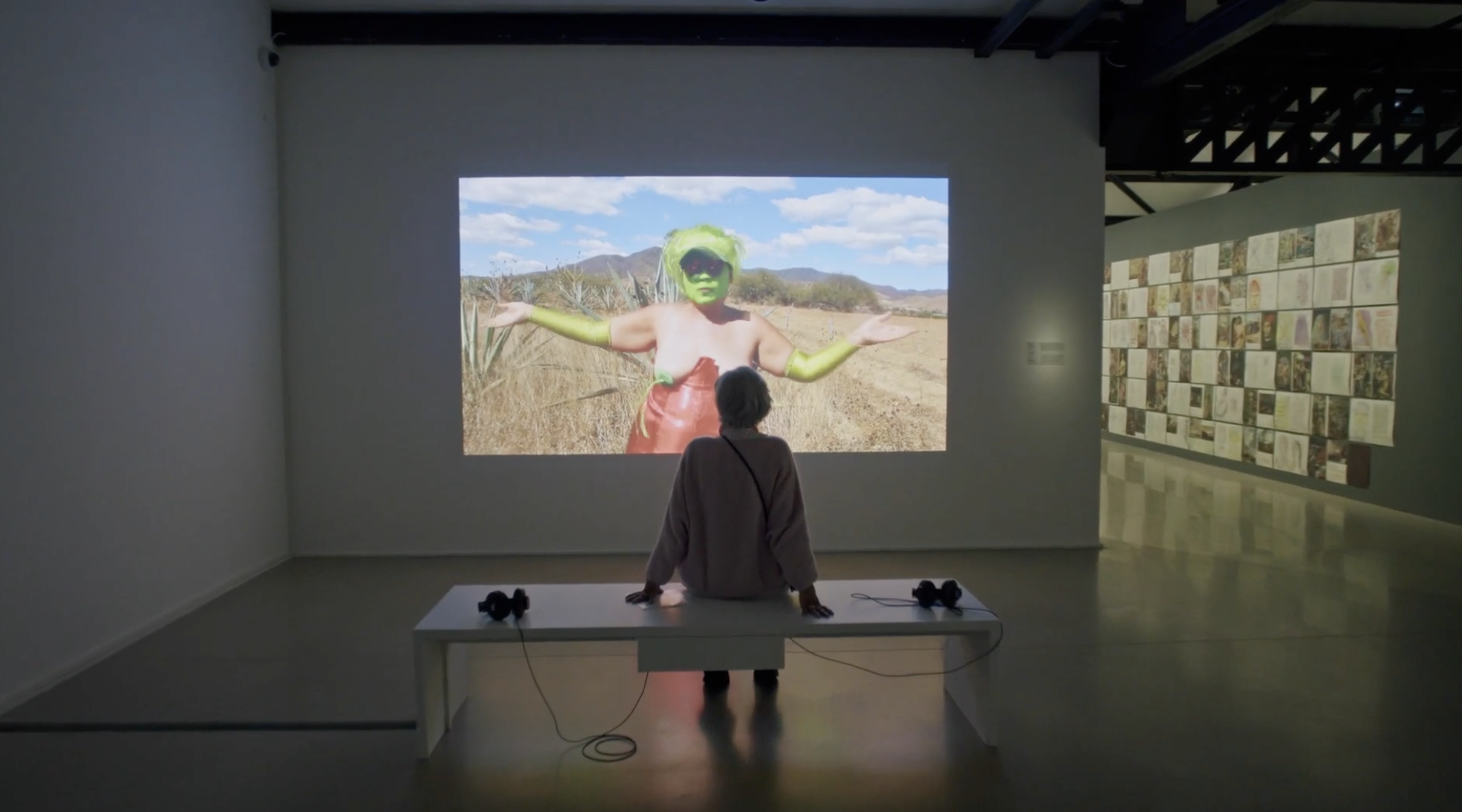
Naomi Rincon_DSF1265_Joana Luz

Naomi Rincón Gallardo

Naomi Rincón Gallardo is a visual artist. Her work constructs imaginary narratives, often inspired by Mesoamerican myths, stories and accounts of resistance against heteropatriarchal and colonial dispossession. In her stories, ancestral beliefs combine with contemporary aesthetic references, such as DIY and queer aesthetics, creating a universe that is visually saturated and abundant, but also familiar in its almost handcrafted construction. Some of her notorious works include Sangre pesada (2018), Resiliencia Tlacuache (2019). Her exhibitions include the Berlin Biennial (2020) and the Venice Biennial (2022).
Carmela Gross_DSF0043_Joana Luz

Carmela Gross

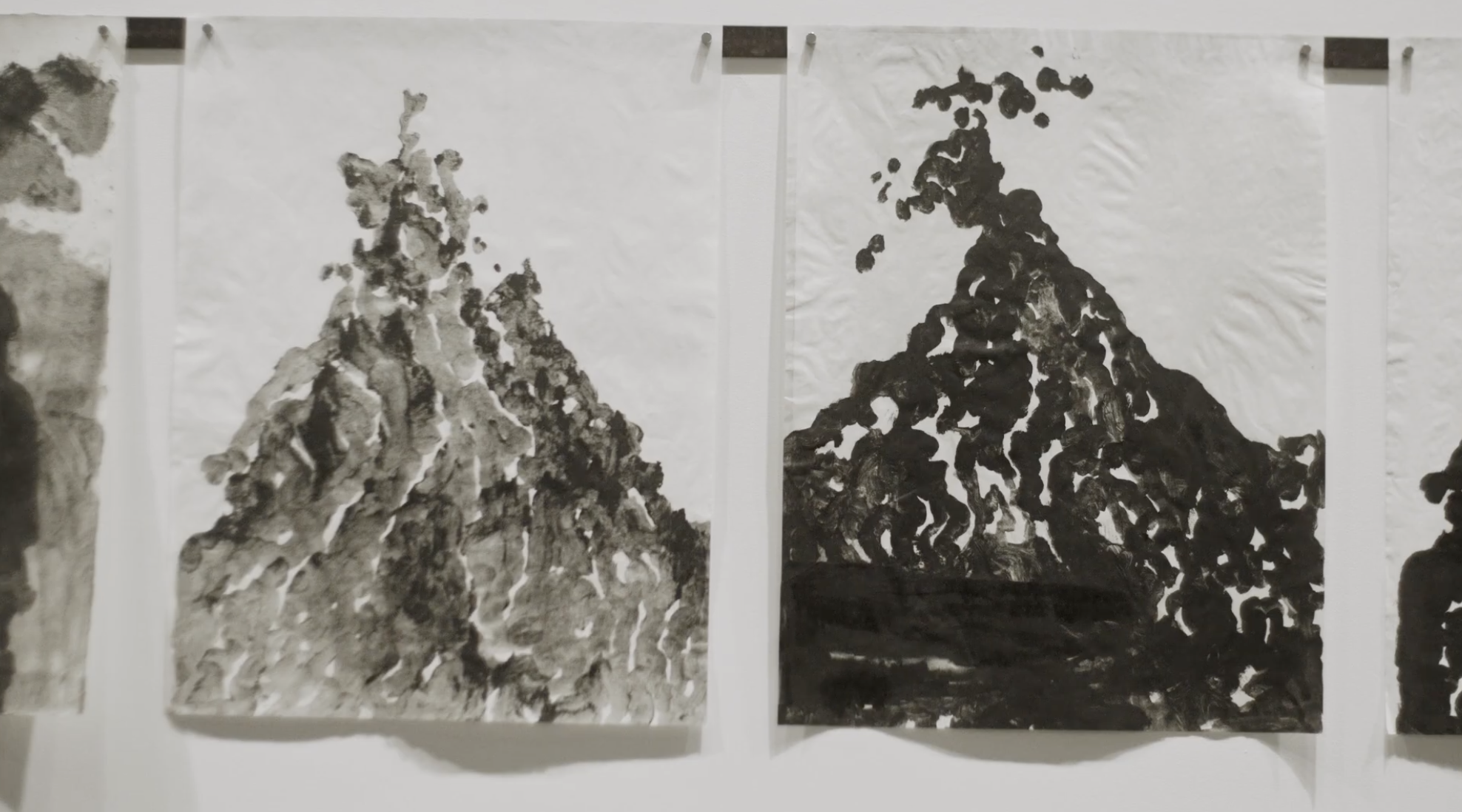
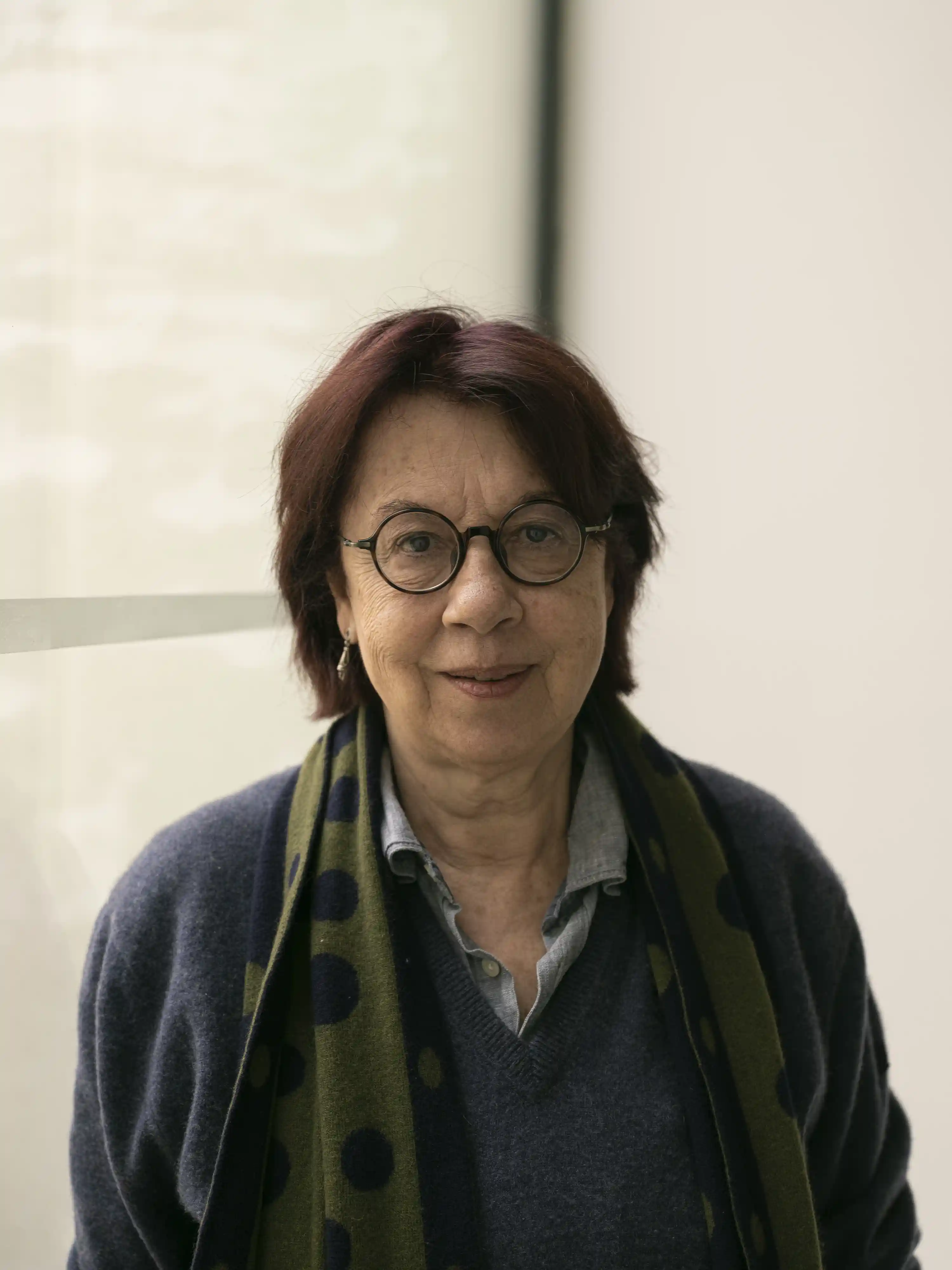
Carmela Gross (1946, São Paulo, Brazil) participated in the Bienal de São Paulo for the second time in 1969, the same year she completed her BA in arts at FAAP, in a course conceived by Professor Flávio Motta based on his proposal for a training course for teachers in the field of drawing. Since that time, Gross has structured her work by a complex understanding of project and drawing. Aware of drawing’s power as a formative action to impress intentionalities on the world’s material organization, she often explores ways of subverting the operation of drawing, using techniques and languages to design scribbles, noises and outlines.
84D582FFF87C9FBD07DCF414E3F41918

Sueli Maxakali

Sueli Maxakali (1976, Santa Helena de Minas, Brazil) is a leader of the Tikmũ’ũn, better known as the Maxakali, an indigenous people from the region between what are now the Brazilian states of Minas Gerais, Bahia, and Espírito Santo. Forced to leave their ancestral land to survive the various aggressions that accumulated over the centuries to the point of leaving them at risk of extinction in the 1940s, the Tikmũ’ũn have maintained their language and culture and today are divided into communities distributed in the Vale do Mucuri, in Minas Gerais. Community life is largely organized around and based upon their relationship with a myriad of spirit-people from the Atlantic Forest, the Yãmĩyxop, and their respective sets of chants, which make up almost an index of all elements of Tikmũ’ũn life, such as plants, animals, places, and objects. Many of these chants are sung collectively, as the most fundamental way of relating to the Yãmĩyxop spirits, who are invited to visit the villages to sing, dance, and eat during the ritual. Often performed as a process of healing and transforming the world, the act of singing is practiced among the Tikmũ’ũn as an element that gives structure to life, because it is through chanting that memories are perpetuated and communities are formed. Every Tikmũ’ũn individual owns and is responsible for a part of the Yãmĩyxop chant repertoire. Together, all the chants compose the Tikmũ’ũn universe, which is made up of everything that this people see, feel and interact with, but also of the memories of plants and animals that no longer exist, or that remained in their original land, which the Tikmũ’ũn people were expelled from during the colonial war.
gala-porras-kim-interdisciplinary-artist-2025-macarthur-fellow-los-angeles-ca-london-united-kingdom

Gala Porras-Kim

Gala Porras-Kim (1984, Bogota, Colombia) investigates the political, social, economic and spiritual contexts that determined the value of objects during the history of colonialism. Her interest is centered on human remains and on material and immaterial goods from indigenous cultures that have been converted into cultural assets preserved within the political and intellectual supremacy of the West. The artist’s analysis ranges from the violent processes of extracting and circulating such objects to the methodologies of storage and classification used by the collectors and/or cultural institutions that receive them, especially museums of history and anthropology.
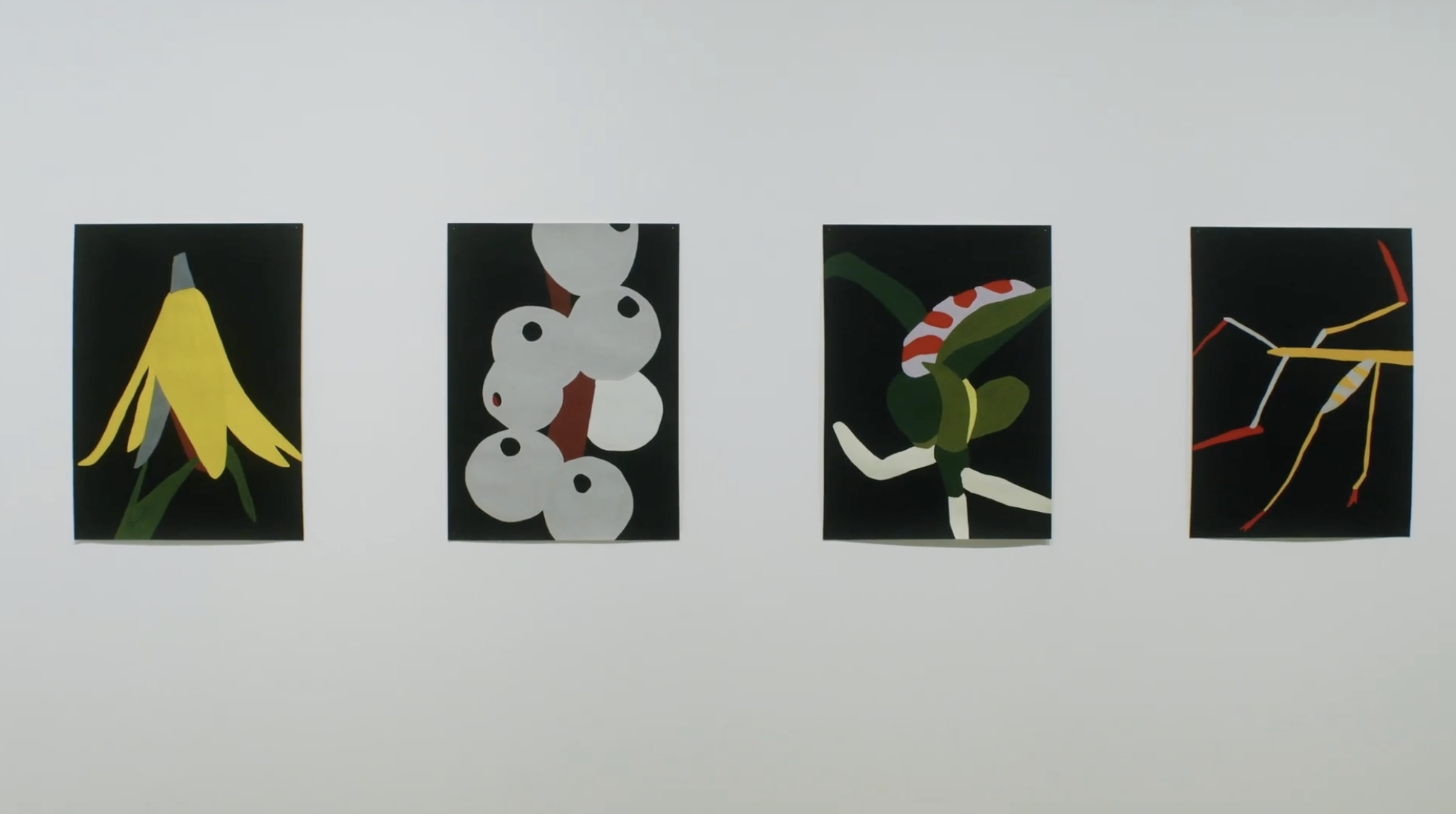
Alice Shintani_DSF5948_Joana Luz

Alice Shintani

Alice Shintani (1971, São Paulo, SP) seeks one of the subtlest intersections that exist between art and everyday life. Her art does not comment on the news, nor does it impose itself on the urban fabric like an inert monument, but it deals rather with intimate experiences of everyday affections and violence, which are counterpointed by the gradual process of making, involving colors, shapes and light. Having studied and worked in computer engineering, Shintani transferred her practice to the arts in the mid 2000s. She avoided, however, conforming her production to the settings and structures of the established arts circuit. Though much of her work could be called painting, she feeds on direct experiences with the urban environment and societal events, experimenting at the same time with ways of circulating in varied contexts, among audiences less familiar with the liturgy of exhibition spaces.
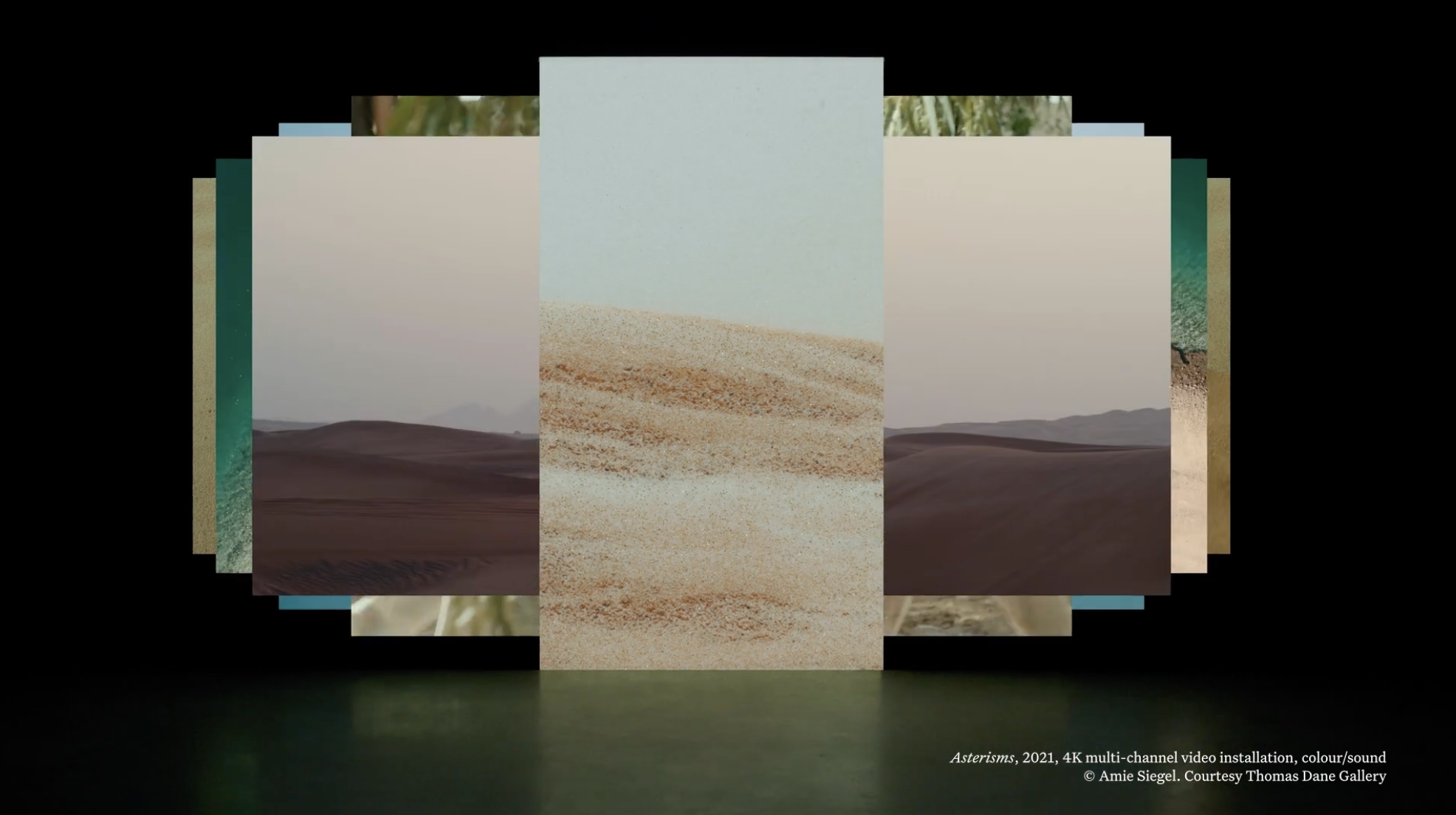
Amie Siegel_DSF1082_Joana Luz

Amie Siegel

Amie Siegel is a visual artist. A way to consider her work—be it a film, video, photograph, installation or painting—is to consider each piece as a case study. Siegel often focuses on the way things work, seeing through appearances and making visible layers of circulation, economic influxes, patterns of gaze and processes of constructing value. Her work is in public collections including The Museum of Modern Art, New York; Whitney Museum of American Art, New York; Tate Modern, London.
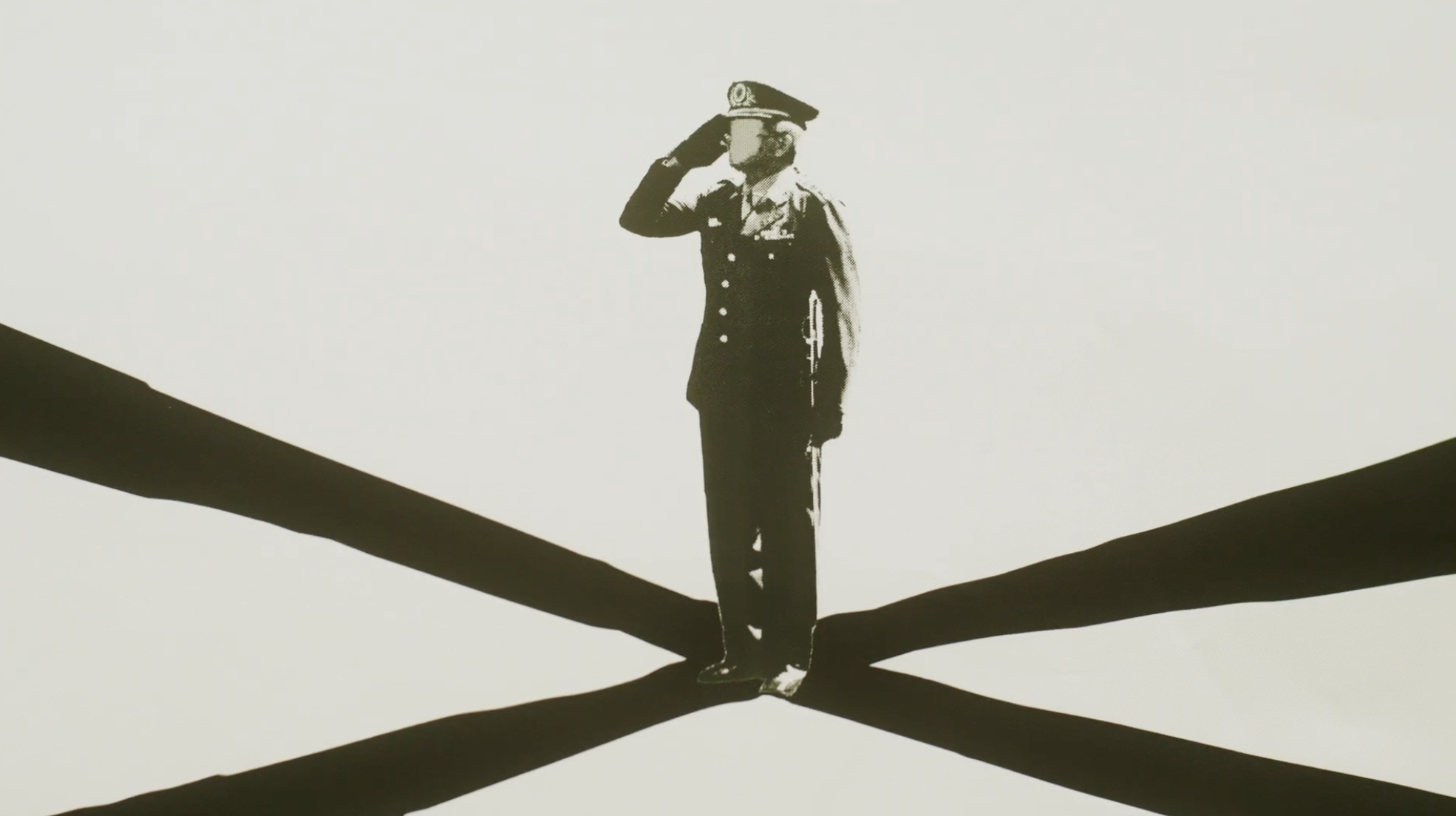
Regina Silveira_DSF5930_Joana Luz

Regina Silveira

Regina Silveira (1939, Porto Alegre, Brazil) received her first training as an artist in Porto Alegre, Brazil, and Madrid, Spain, but it was in Puerto Rico that she developed the first exercises that delineated the core of her work. Invited to implant an experimental teaching model at the University of Puerto Rico, Silveira experimented intensively with graphic techniques for the reproduction of the image and participated in an environment that was debating art as a territory for the circulation of images, discourses and ideological systems of representation. After her return to Brazil in 1973, Silveira continued her work as a university professor in São Paulo committed to contemporary methodologies of creation and, as an artist, she became established as one of the key investigators of the specificities of the technical means and languages of art.
84E325B23DC2ACF395C99B30B7A2D21F

Daiara Tukano

Dimitrie Daiara Hori (1982, São Paulo, Brazil), whose traditional name is Duhigô, belongs to the Uremiri Hãusiro Parameri clan of the Yepá Mahsã people, better known as the Tukano, from the Amazonian region of Alto Rio Negro. At the time of her birth, her family was living in São Paulo, joining the great indigenous political movement that preceded the Brazilian Constituent Assembly (1987-1988). An artist, teacher, indigenous rights activist, and communicator, Tukano, who holds a postgraduate degree in human rights and is a researcher on indigenous peoples’ right to truth and memory, also coordinated Rádio Yandê, the first indigenous online radio in Brazil. Her work is inseparable from the ancestral culture of the Tukano people who, like other indigenous Amazonian groups, use the native ayahuasca medicine in their rituals. Influenced by this practice, whose mystical visions, known as Hori, permeate all Tukano visual culture, Daiara produces images that evoke aspects of existence that are usually invisible to the eye.

About the Bienal de São Paulo traveling exhibition program

The traveling exhibition program of the Bienal de São Paulo is in its sixth edition in 2022. Throughout 2019, the traveling exhibition for the 33rd Bienal visited eight cities, one of which was abroad, totalling more than 170,000 visitors.

“The program supports art and its positive impact on the area of education and citizenship. Partnerships with institutions in each location allow for the diffusion of the work outside of the art circuit in the city of São Paulo, allowing it to be seen by new eyes and fresh sensibilities. In addition to the exhibitions, the initiative includes educational and promotional activities tied into the Fundação’s mission of integrating culture and education into everyday life”, affirms José Olympio da Veiga Pereira, president of the Fundação Bienal.

This year the program has already visited the following cities: São Luís (MA), Campinas (SP), São José do Rio Preto (SP), Campos do Jordão (SP), Belo Horizonte (MG), Fortaleza (CE), Belém (PA), Rio de Janeiro (RJ) and Santiago (Chile).


About Fundação Bienal de São Paulo

Founded in 1962, Fundação Bienal de São Paulo is a non-profit private institution with no political or religious affiliations, whose actions aim to democratize access to culture and stimulate interest in artistic creation. Every two years Fundação Bienal organizes the Bienal de São Paulo, the largest art exhibition in the southern hemisphere, and its itinerant exhibitions in several cities in Brazil and abroad. The institution is also the guardian of two artistic and cultural heritages in Latin America: a historical archive of modern and contemporary art that is a reference in Latin America (Arquivo Histórico Wanda Svevo), and the Ciccillo Matarazzo Pavilion, the Foundation’s headquarters, designed by Oscar Niemeyer, listed by the National Historic and Artistic Heritage Institute. The Fundação Bienal de São Paulo is also responsible for the task of idealizing and producing Brazilian representations at the Venice Biennale of art and architecture, a prerogative granted decades ago by the Federal Government in recognition of the excellence of its contributions to the culture of Brazil.

The title of the 34th Bienal de São Paulo, ‘‘Faz escuro mas eu canto’’ [Though it’s dark, still I sing], is a verse by Brazilian poet Thiago de Mello.

Curated by Jacopo Crivelli Visconti, Chief Curator of the 34th Bienal de São Paulo and Vassilis Oikonomopoulos, Director of Exhibitions and Programs LUMA Arles – Though it’s dark, still I sing is part of the traveling program of the Bienal.

The exhibition is produced and organized by LUMA Arles and Fundação Bienal de São Paulo, with kind support from ENGIE Foundation.

The Fundação Bienal de São Paulo is sponsored by Itaú; Instituto Vale; Instituto Votorantim; Bloomberg; Bahia Asset; Unipar; SESC; Alupar; EMS; Rede D’Or; XP; CSN; B3; Verde Asset; JP Morgan; Iguatemi São Paulo; Osklen; JHSF; Credit Suisse; Iochpe-Maxion; Klabin; JSL; BR Partners; Mattos Filho; Racional; Ageo Terminais; Grupo Ultra; Singulare; Hermes Pardini; Banco ABC; Rodobens.