
Explore the full series of conference sessions from the event, available online.
Conferences, discussions, screenings, performances
Environmental History 5
- Symposium
/norman%20ajari%20sans%20credits.jpg)
Norman Ajari
Norman Ajari is a philosopher specializing in critical race theory, social and political philosophy, and the history of Black Francophone and Anglophone thought. He has taught at the University of Toulouse Jean Jaurès, Villanova University in Philadelphia, and the University of Edinburgh. He is a member of the executive board of the Frantz Fanon Foundation.
His work explores the ethical and political dimensions of the Black condition in modernity, through a body of thought that is both rigorously philosophical and engaged in contemporary debates on race, violence, and decolonization. He is the author of La Dignité ou la mort: Éthique et politique de la race (La Dignité ou la mort: Ethics and Politics of Race) (La Découverte, 2019); Noirceur: Race, genre, classe et pessimisme dans la pensée africaine-américaine au XXIe siècle (Blackness: Race, Gender, Class, and Pessimism in Twenty-First-Century African American Thought) (Divergences, 2022); Où commence le racisme? (Where Does Racism Begin?) (with Marylin Maeso, Philosophie magazine Éditeur, 2023); and Manifeste afro-décolonial: Le Rêve oublié de la politique radicale noire (Afro-Decolonial Manifesto: The Forgotten Dream of Radical Black Politics) (Seuil, 2024). His latest book, Technofascisme: Le Nouveau rêve de la suprématie blanche (Technofascism: The New Dream of White Supremacy) (Météores, 2026), analyzes the archeofuturist ideology behind the project to restore racial and economic supremacy in Silicon Valley.
/Sabine%20Barles%20%C2%A9%20L%C3%A9o%20Guillerme.jpeg)
Sabine Barles
Sabine Barles is a professor of urban planning and development at Paris 1 Panthéon-Sorbonne University and a researcher at the UMR Géographie-Cités, where she headed the CRIA team.
Her research focuses on the history of technology and the urban environment, with a particular emphasis on urban metabolism and territorial ecology. Grounded in a historical perspective, her work examines the formation of the dominant socioecological system and the challenges of transition.
Barles has developed innovative methodologies to quantify urban metabolism and assess the environmental footprints of territories. She has contributed to territorial foresight exercises, notably for the Seine basin and the Paris metropolitan area. Recognized for her book L’Invention des déchets urbains: France 1790–1970 (The Invention of Urban Waste: France 1790–1970) (2005), her recent publications include chapters in Mondes postcapitalistes (Postcapitalist Worlds) (2026) and Dictionnaire critique de l’anthropocène (Critical Dictionary of the Anthropocene) (2020), as well as articles in journals such as Revue d’Économie Régionale & Urbaine and Flux./C6A15D2E11A7C7DD1EDACBF46386F2C4.webp)
Laurens Bekemans
Laurens Bekemans is an architect and cofounder of BC architects & studies, an architecture firm, nonprofit research entity, and materials laboratory based in Brussels, as well as, more recently, “BC materials,” an urban mining company that repurposes construction debris. BC comprises BC architects, studies, and materials. BC stands for “Brussels Cooperation” and illustrates how BC has taken root in a place and in the spirit of its inhabitants. Founded in 2012 as a hybrid practice, BC pushes the boundaries of architecture in a pragmatic way. With three distinct legal entities, the team engages in a variety of experimental projects through which it designs bioregional and circular architecture, studies educational and construction processes, and produces new materials using local waste streams such as excavated soil.
/Photo%20ID%20DBucchi%202026.jpeg)
Déborah Bucchi
Déborah Bucchi is an associate professor of theater history and aesthetics at the University of Lorraine. At the intersection of anthropology, philology, and theater studies, her doctoral research explored the modes of representing the divine through a comparative approach that brings ancient performative practices—particularly Greek tragedy—into dialogue with ultracontemporary stage forms (theatrical, operatic, and choreographic). Her publications include a chapter on representations of the earth in Aeschylus and Bruno Latour in the anthology Le Cri de Gaïa (Gaia’s Cry) (La Découverte, 2021, ed. Frédérique Aït-Touati and Emanuele Coccia), an article on the materiality of the double of Euripides’s Helen in the journal Mètis (EHESS, 2021), and reviews in the journal Critique. Together with Adrien Zirah, she coedited the Daniel Mendelsohn interviews published by Éditions du Seuil under the title Entrelacs (2026). She contributes to the journal Les Temps qui restent and is currently preparing a book based on her dissertation on the experience of the divine in theater (Classiques Garnier).
.webp)
Gabriela Carneiro da Cunha
Gabriela Carneiro da Cunha is a Brazilian artist whose work spans performance, directing, research, and environmental activism. Over the past decade, she has developed Margins Project: On Rivers, Buiúnas, and Fireflies, a long-term practice dedicated to listening to and amplifying testimonies of Brazilian rivers affected by environmental catastrophes. The research is grounded in a reflection on the Anthropocene, understood as “the moment when humans cease to fear catastrophe and become the catastrophe itself.” So far, the project has engaged with three rivers—Araguaia, Xingu, and Tapajós—resulting in theatrical performances, workshops, publications, and the creation of Rede Buiúnas, a network of women artists and activists, rivers, and art.
Her works have been presented at major international festivals, coproduced by Vidy-Lausanne, including Festival d’Automne and Kunstenfestivaldesarts, among others. In film, she produced Edna (2021) and Urihi (2026), and codirected The Falling Sky (2024), which premiered at the Directors’ Fortnight at Cannes.
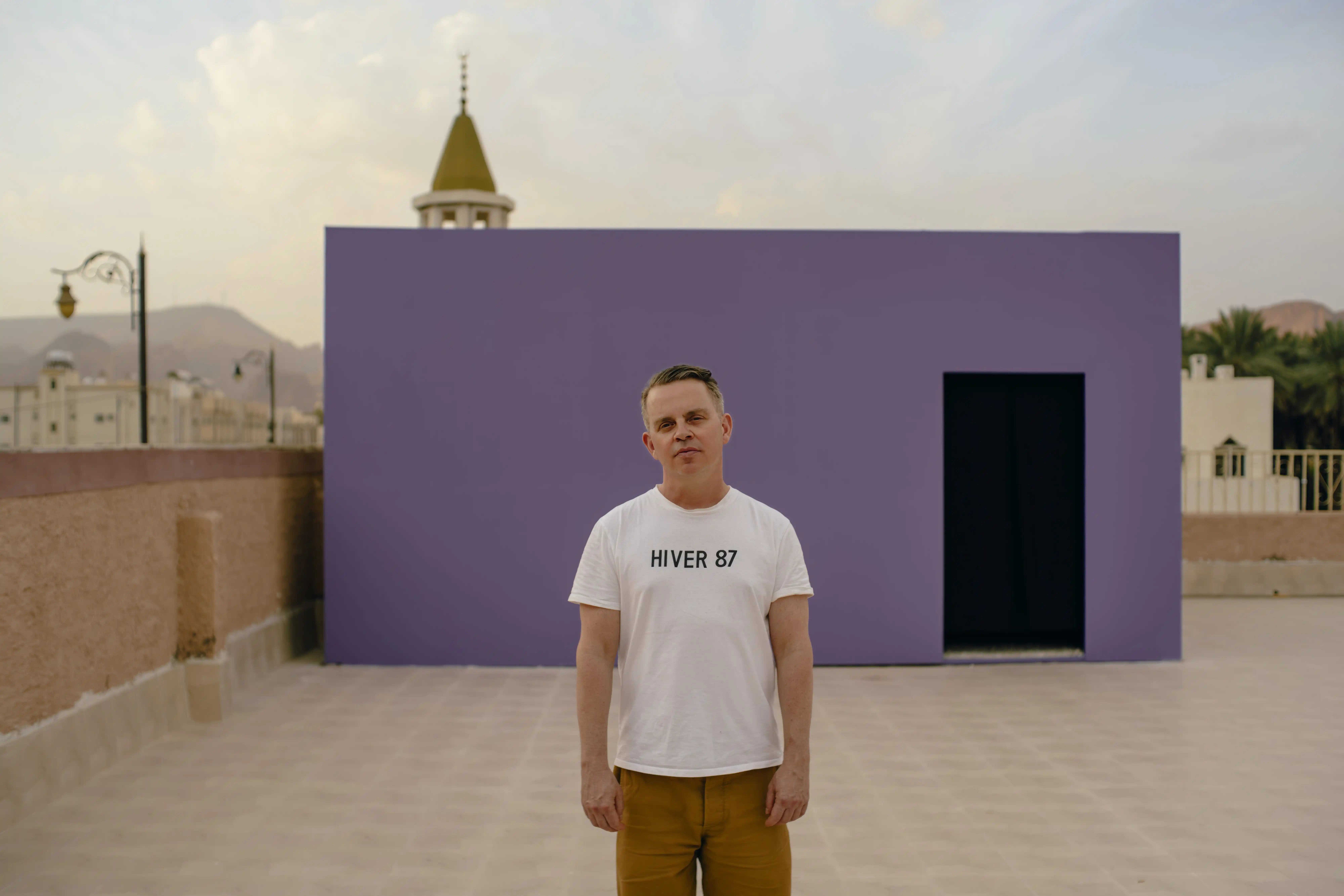
Grégory Chatonsky
Grégory Chatonsky is a French-Canadian artist whose practice examines the relationship between humans and technology. In 1994, he founded Incident.net, a platform dedicated to net art. His work revolves around the concepts of flow, memory, and extinction, exploring digital materiality in the form of debris or traces.
Since 2009, he has integrated artificial intelligence into his practice to produce nonnarrative fictions and “artificial imaginaries.” His research has led him to hold ENS seminars and to advise the Ministry of Culture and the EEC on the impact of generative AI.
His works have been exhibited at institutions such as the Centre Pompidou, the Palais de Tokyo, and MOCA Taipei. They are included in several public collections (CNAP, FRAC, BNF, Hubei, etc.). In parallel with his creative work, he has taught at Le Fresnoy, EUR ArTeC, and UQAM, and currently codirects the Feral Institute.
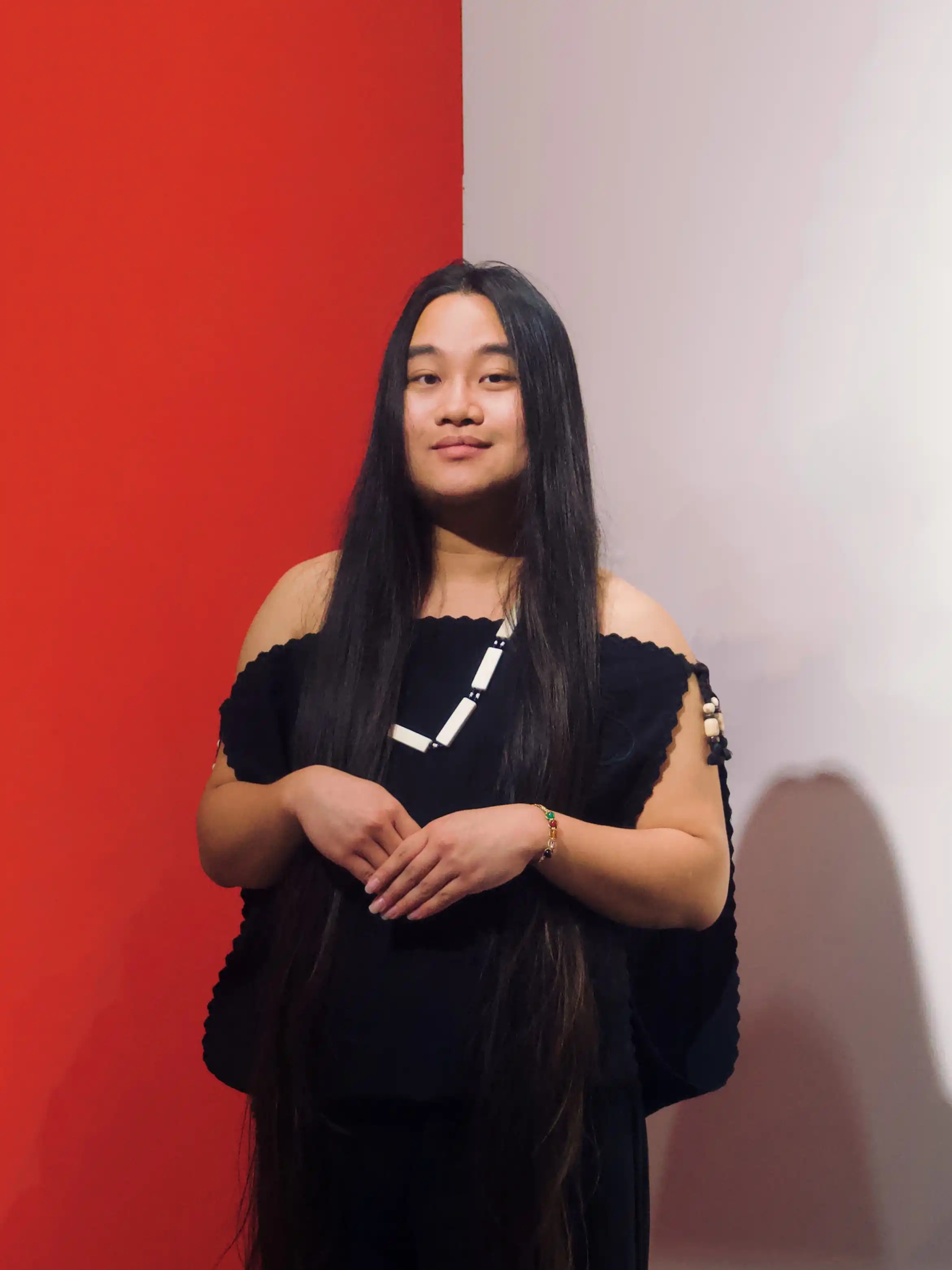
Alfonse Chiu
Alfonse Chiu is an architectural historian, designer, and curator. Working through the modalities of exhibition, publication, public programme, and performance, Chiu’s research-based practice seeks to identify how systems of power and knowledge manifest through the production and circulation of visual, material, and spatial cultures to structure social definitions of value, property, and desire across the Anglotropics and the Pacific Rim, with a focus on East and Southeast Asia.
Chiu was the Fall 2021 e-flux journal fellow, a cohort laureate of the inaugural Young Climate Prize in 2023, and a 2025 LINA European architecture platform fellow. Their texts have been commissioned widely by institutions including the Asian Film Archive, Arsenal Filminstitut, Tbilisi Architecture Biennial, Sharjah Architecture Triennial, Nieuwe Instituut, the Yale Schools of Art and Architecture, Nasher Sculpture Center, and the Singapore and Philippines Pavilions at the 59th and 61st Venice Biennales, respectively.
Chiu holds a Master of Environmental Design from the Yale School of Architecture, where they also convene the Tropical Studies Working Group, supported by Yale Whitney Humanities Center. Chiu is presently the Editor of the Rockbund Art Museum in Shanghai, and also directs the Centre for Urban Mythologies (CUM), a research studio and para-institutional platform for critical spatial and curatorial practice.
/Lionel%20Devlieger%20%C2%A9%20Rotor.jpeg)
Lionel Devlieger
Lionel Devlieger is an architectural engineer and historian. He is a cofounder of Rotor, a Brussels-based organization specializing in the study of contemporary material culture.
Rotor fosters debate on issues related to resources, waste, and obsolescence in the building sector through research projects, exhibitions, conferences, and publications. Rotor also coordinates large-scale demolition operations, collaborates on architectural projects, and carries out design projects.
Lionel has taught at universities in Europe and the United States (UC Berkeley, TU Delft, Columbia University, and AA School, among others). He is coauthor of Deconstruction et reemploi (Deconstruction and Reuse) (2018), a reference manual on the reuse of building materials. He also coauthored, with Arne Vande Capelle, Stijn Colon, and James Westcott, Ad Hoc Baroque: Marcel Raymaekers’ Salvage Architecture in Postwar Belgium (2023). Since September 2021, he has been an associate professor in the Department of Architecture and Urban Planning at Ghent University, where he teaches, among other subjects, the history of circular design and modern building ecologies.
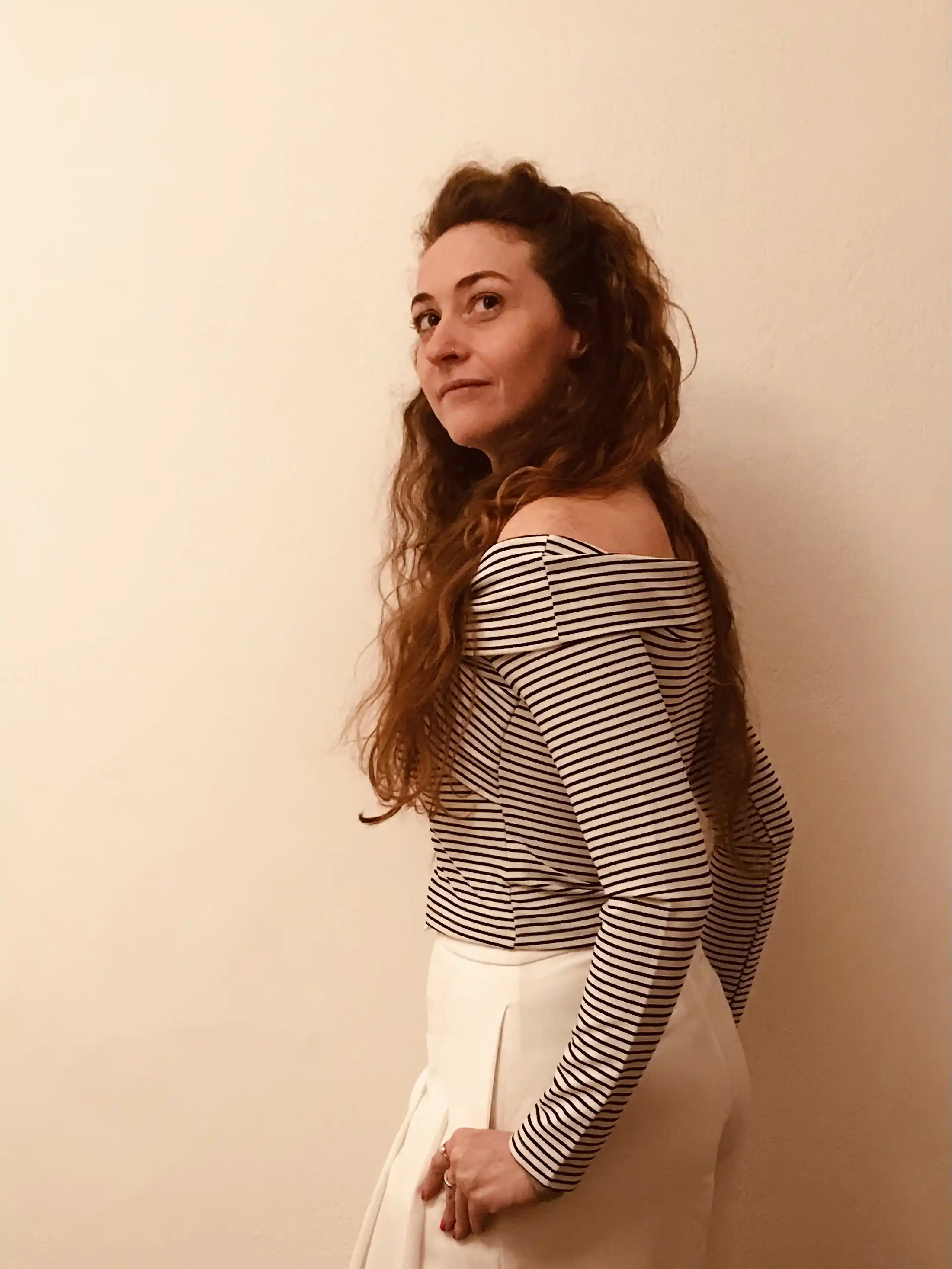
Jeanne Etelain
Jeanne Etelain is a philosopher and a professor at the Montpellier School of Fine Arts, and is an associate researcher at Paris Nanterre University. She holds a PhD from New York University and Paris Nanterre in contemporary French philosophy. Her research focuses on the philosophy of space, the earth, and ecology from the perspective of renewing metaphysics and is informed by feminist and decolonial epistemologies. In addition to publishing numerous book chapters and academic articles, she is the author of Zones: Terre, sexes et science-fiction (Zones: Land, Gender, and Science Fiction) (Flammarion, 2025) and directed Ce que les féminismes font à la métaphysique: Anthologie des nouveaux matérialismes (What Feminisms Do to Metaphysics: An Anthology of New Materialisms) (PUF, 2026). She is also active in publishing and translation, notably through her involvement on the executive committee of the journal Les Temps qui restent.
.webp)
Vincent Giovannoni
Vincent Giovannoni is the chief curator at the Museum of European and Mediterranean Civilizations (Mucem) in Marseille. He chose to study anthropology and to travel as a means to devote his entire life to the issues he considers essential. A PhD holder, he worked for many years as an ethnologist in the Mediterranean, South America, and Africa. Since returning from this long journey, he has been committed to helping preserve the world’s beauty, even in its most humble forms.
In today’s world, the simple and perfect imperfection of things is often only valued in ethnographic museums. We must cast this attentive gaze upon the humblest objects, as they are the ultimate witnesses to the impermanence of our lives. He notably curated the exhibition En piste! Clowns, pitres et saltimbanques (Let the Show Begin! Clowns, Buffoons, and Street Performers) (Mucem, 2024–2025).
/AVT_Julien-dHuy_6497.webp)
Julien d’Huy
Julien d’Huy is a historian and mythologist affiliated with the Laboratory of Social Anthropology (CNRS / Collège de France / EHESS / EPHE). A specialist in comparative mythology, he focuses his work on applying phylogenetic methods to the study of myths, an approach he refers to as phylomythology.
His research aims to reconstruct the evolutionary history of mythological narratives by borrowing tools for constructing phylogenetic trees from evolutionary biology, thereby identifying common ancestors of myths originating from distinct and geographically distant cultural traditions. This method integrates mythological, archaeological, artistic, and linguistic data.
He is notably the author of Cosmogonies : la Préhistoire des mythes [Cosmogonies: The Prehistory of Myths] (La Découverte, 2020), L'Aube des mythes : quand les premiers Sapiens parlaient de l’Au-delà [The Dawn of Myths: When the First Sapiens Spoke of the Afterlife] (La Découverte, 2023), and Dragon : généalogie mondiale d'un mythe [Dragon: A Global Genealogy of a Myth] (Armand Colin, 2025), which draws on more than a decade of research on dragon figures around the world.
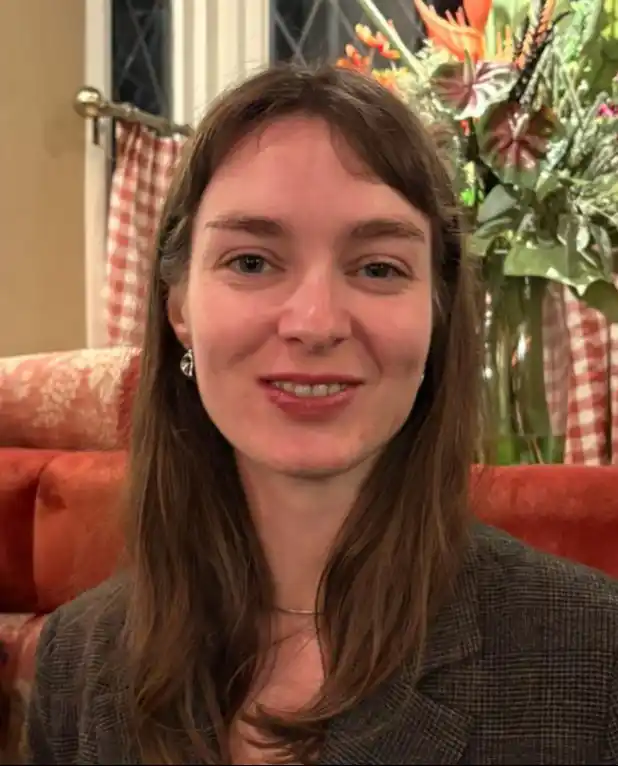
Rachel Kay
Rachel Kay is a PhD candidate in social anthropology at the University of Cambridge, funded by the UK Economic and Social Research Council. Her research addresses experiences of uncertainty and time among walnut traders in Central Asia, asking how these are produced by shifting political economies and ecologies. For this project, she carried out long-term ethnographic research with people involved in the transnational trade of walnuts from forests in the Jalal-Abad region of Kyrgyzstan. She is interested in what it means to live with ambiguous plants, approaching this question through a methodological focus on emotional life.
.webp)
Corentin Laplanche Tsutsui
Corentin Laplanche Tsutsui studied at ENSAD (Paris) and the China Academy of Art (Hangzhou). In 2019, he moved to Marseille, where he is currently completing a PhD in research-creation (ENSP-AMU). Between 2021 and 2023, he was a resident artist at Artagon Marseille. He was a recipient of the AIC grant from the DRAC PACA (2022), the Fondation des Artistes (2024), and Mécènes du Sud (2025).
His practice is a composite of various visual arts (films, installations, photo-objects, texts). It falls within the field of research-creation and draws on theoretical approaches that he intersects with personal experiences. He contributes to contemporary discourse on the livability of global cities and their spatial-planning policies. His projects offer narratives that are both historical and speculative, through spatial and material storytelling. Since 2024, he has been collaborating on a project with artist Fredj Moussa, in which they explore territories as cultural productions.
/@%20Mathieu%20G%C3%A9non%20-%20Reporterre.jpg)
Nastassja Martin
Nastassja Martin is an anthropologist and holds the Junior Professorship in Earth’s Habitability and Just Transitions (ISJPS, Paris 1 Panthéon-Sorbonne University, 2023–2026). She studied at EHESS under the supervision of Philippe Descola. She devoted her dissertation to the Gwich’in, an Indigenous people of northeastern Alaska, which formed the basis of her first book, Les Âmes sauvages: Face à l’Occident, la résistance d’un peuple d’Alaska (Wild Souls: An Alaskan People’s Resistance to the West) (La Découverte, 2016).
Her research develops a comparative anthropology of responses to environmental crises, with a focus on subarctic Indigenous cosmologies. After Alaska, she investigated the Even people of Kamchatka, whose ways of life were first reshaped by Soviet colonization and then contemporary extractivism. This work resulted in À l’est des rêves: Réponses even aux crises systémiques (To the East of Dreams: Even Responses to Systemic Crises) (La Découverte, 2022), in which performative dreams and mythical narratives engage with colonial logics and ecological disruption, as well as Croire aux fauves (In the Eye of the Wild) (Verticales, 2019).
Her current professorship extends this research, notably through a study on green hydrogen in Chile.
![Fredj_Moussa[photo]](https://25747658.fs1.hubspotusercontent-eu1.net/hubfs/25747658/Dash/LUMA%20Arles/%C3%89v%C3%A9nements/2026%20Histoire%20environnementale%205/2026%20Portraits%20intervenants/Fredj_Moussa%5Bphoto%5D.webp)
Fredj Moussa
Fredj Moussa studied at Le Fresnoy – Studio national des arts contemporains from 2021 to 2023. In 2024, he was a resident at the Villa Medici in Rome.
His practice lies at the intersection of film and sculpture. He creates landscapes where fiction becomes a mode of resistance. Through videos and costumes made from recycled materials, he crafts speculative narratives that blur the boundaries between documentary and myth.
Moussa’s works have been featured in exhibitions at the B7L9 Art Station in Tunis, the Selebe Yoon Gallery in Dakar, and the Berlin Biennale, among others.
He received the CIFRA Award at LOOP Barcelona in 2023 and the Best Experimental Documentary Film Award at the Ji.hlava International Documentary Film Festival (IDFF) in 2025.
/N_Sond%C3%A9-Wilfried-IMG-5304.webp)
Wilfried N'Sondé
Wilfried N’Sondé is a writer, playwright, and musician. He was born in 1968 in Brazzaville and grew up in the Paris suburbs after his family moved to France in 1973. After studying political science, he moved to Berlin, where he worked as a social worker.
In 2007, he published Le Cœur des enfants léopards (The Heart of the Leopard Children), his first novel, which won several literary awards. Among his major works are Un océan, deux mers, trois continents (One Ocean, Two Seas, Three Continents) (2018); Femme du ciel et des tempêtes (Woman of the Sky and Storms) (2021), winner of twelve literary awards; and Héliosphéra, fille des abysses (Héliosphéra, Daughter of the Abyss) (2022), all socially conscious narratives exploring identity, otherness, and the preservation of life.
His writing, both profound and humanistic, has established him as a major figure in contemporary literature.
/Jos%C3%A8fa-Ntjam_-2024-%C2%A9Sarah-Makharine-_1_2MO_.webp)
Josèfa Ntjam
Josèfa Ntjam is an artist, performer, and writer whose practice combines sculpture, photomontage, film, and sound. Collecting the raw material for her work from the internet, books on natural sciences, and photographic archives, Ntjam uses assemblage—of images, words, sounds, and stories—as a method to deconstruct the grand narratives underlying hegemonic discourses on origin, identity, and race. In 2025, Ntjam participated in the thirty-sixth São Paulo Art Biennial and the MOMENTA Biennale d’art contemporain, Montreal, and her largest exhibition to date, INTRICATIONS, was presented at the IAC Villeurbanne. Ntjam has been nominated as a finalist for the 2026 Marcel Duchamp Prize, which will lead to an exhibition at the Musée d’Art Moderne de Paris in October, organized in collaboration with Centre Pompidou, Paris. Solo exhibitions include swell of spæc(i)es, the official collateral event of the sixtieth Venice Biennale, commissioned by LAS Art Foundation (2024); Une cosmogonie des océans, LVMH Métiers d’Art, Paris (2024); Futuristic Ancestry, Fotografiska, New York, Berlin, Stockholm, and Tallinn (2024–2026); and Matter Gone Wild, Fondation Pernod Ricard, Paris (2023–2024), among others.
/picture-v1-portrait-christelle-oyiri-c-bolade-banjo-c.avif)
Christelle Oyiri
Christelle Oyiri is a Paris-based artist, journalist, and producer/DJ (under the pseudonym CRYSTALLMESS). She began her career as a journalist for Vice, The Guardian, The Fader, and Brain Magazine, covering music and culture, notably grime. Combining film, music, performance, and sculpture, her radically interdisciplinary work deals with themes of alienation and alternative temporalities. As a DJ and producer, Oyiri’s eclectic style spans from zouk to dancehall, Detroit techno, and Afro-trance. Faced with the deliberate erasure of narratives outside the dominant canon, Oyiri looks for information between the lines. Her research is focused on the tonalities, textures, and visual vernacular of the music, art, popular culture, and youth cultures within and outside the African diaspora.
Her work has been exhibited in institutions such as Centre Pompidou (Paris), Lafayette Anticipations (Paris), Tramway (Glasgow), Auto Italia Gallery (London), Los Angeles Nomadic Division, Gladstone Gallery (NYC), Espace Arlaud (Lausanne), and Ars Electronica (Austria), among others.
/Verena%20Paravel.jpg)
Verena Paravel
Verena Paravel was in residence at LUMA Arles from September to December 2025.
Verena Paravel (b. 1971, Neuchâtel, Switzerland) is a French filmmaker, artist, and anthropologist. Engaging the limits of perception, her practice explores human and more-than-human worlds through new aesthetic, political, and sensory forms of image and sound. Blending cinematic experimentation with ethnographic, ecological, and philosophical inquiry, she creates immersive works that challenge conventional boundaries.
Paravel’s films have screened at major international festivals including Cannes, Venice, Berlin, Locarno, Toronto, and the New York Film Festival. Works such as Foreign Parts (2010, with J.P. Sniadecki), Leviathan (2012), Caniba (2017), Somniloquies (2018), and De Humani Corporis Fabrica (2022), with Lucien Castaing-Taylor, have received widespread critical acclaim for their radical approach and have been honoured with numerous international awards.
Her moving image works have been exhibited in prestigious institutional contexts, including MoMA, (New York), Tate Modern (London), the Whitney, Venice and Shanghai Biennales, Documenta 14 (Athens/Kassel), and the Okayama Art Summit.
Since 2006, Paravel has been affiliated with Harvard University’s Sensory Ethnography Lab, where she has taught and developed collaborative research-based filmmaking practices. She has served as Visiting Professor at Harvard and taught masterclasses at Sciences Po (Paris). She has also been guest artist at Le Fresnoy – Studio national des arts contemporains (France) and ECAL (Switzerland).
/credit.%20adigun%20atanda.jpg)
brother portrait
brother portrait is a London-born Sierra Leonean artist & writer often thinking on: memory and objects as vessels; how we're shaped by space and place; the authority and limitations of words; the language of art and the body; movement and memory; map making and; freedom dreaming. His preoccupations find form in poetry, travel writing, stories and song.
He is currently exploring how is knowledge is transmitted through song, poetry, dance, participatory storytelling and other performance forms. How, encoded within these are epistemologies, ontologies, philosophies and cosmologies. He is often heard chanting "full ecological liberation", living by a liberation politics that forefronts the protection and stewardship of life and all that sustains it. It is necessarily decolonial, feminist, anti-imperial, ecologically restorative, collaborative and mutually supportive.
He is always learning so forever a novice, naïve, full of wonder, growing younger every day.
/Portrait%20Gr%C3%A9gory%20Quenet.jpg)
Grégory Quenet
Grégory Quenet is one of the pioneers of environmental history and the environmental humanities in France. Since 2012, he has been a professor of environmental history at the University of Versailles Saint-Quentin-en-Yvelines (Paris-Saclay). Founder of the French portal for environmental humanities, he organized the eighth European Society for Environmental History Conference in Versailles in 2015. Since its creation in 2024, he has been codirector of the Environmental Humanities research department at the Collège des Bernardins, where he held the Laudato si’: For a New Exploration of the Earth chair from 2021 to 2023. His latest book, Histoire de la pensée écologique (History of Ecological Thought), was published by PUF in May 2025. Since 2021, he has served as a scientific advisor for the Environmental History program at LUMA Arles.
/20230927-moreira-nida-sinnokrot-014-2200.jpg)
Nida Sinnokrot
Nida Sinnokrot is an artist and educator whose work explores how various forms of power and bias are embedded in dominant narrative structures and attendant articulations of time and space. Working across film, video, photography, sculpture, installation, and agriculture, Nida’s work exposes various technologies of control that give rise to shifting social, political and environmental instabilities. Nida is a co-founder of Sakiya – Art | Science | Agriculture, an international residency program and research platform in Palestine, and Associate Professor of MIT’s Art, Culture and Technology Program (ACT) in Cambridge, Massachusetts.
Images from previous editions
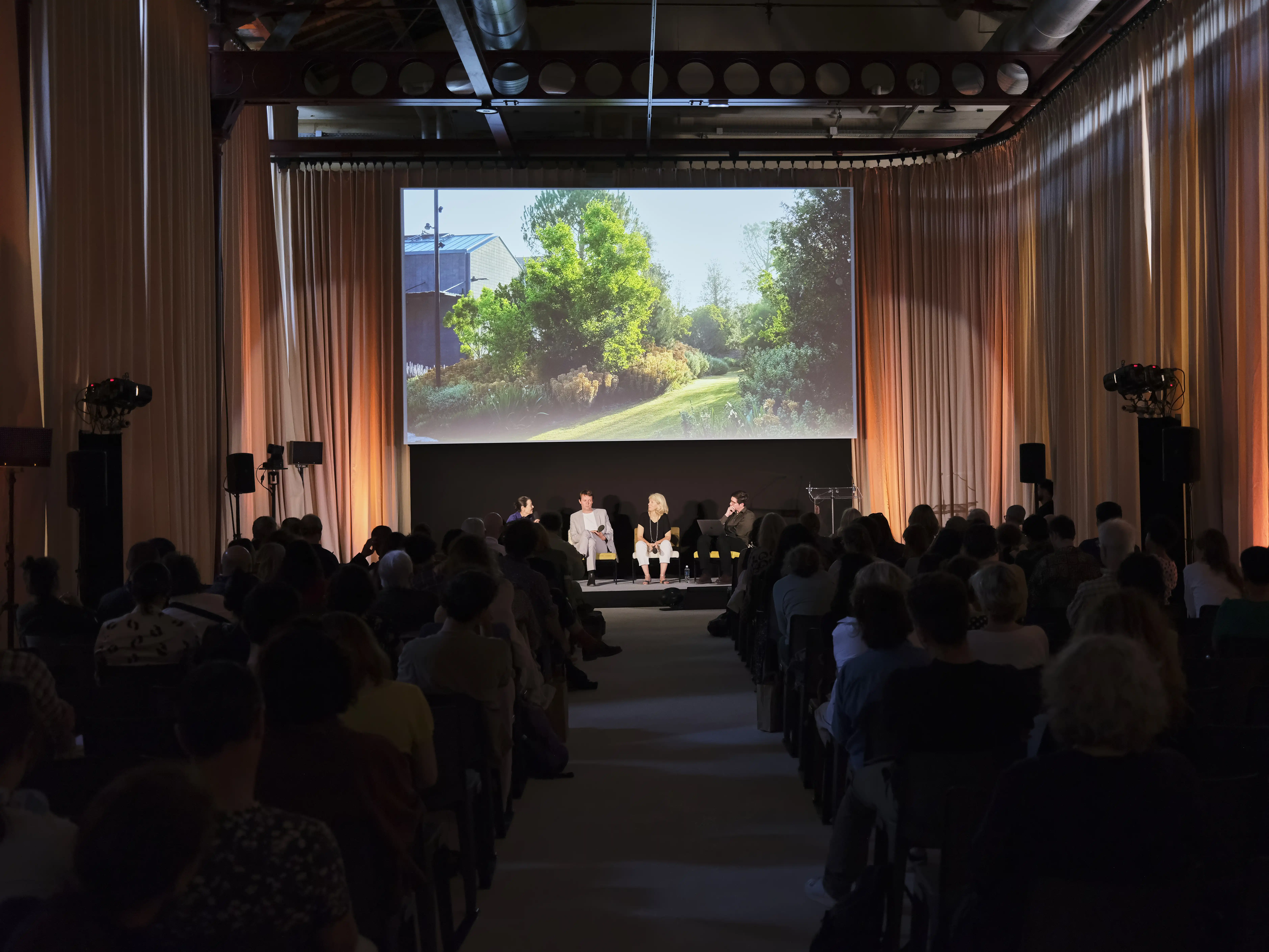
Credits
© Victor & Simon / Grégoire d'Ablon
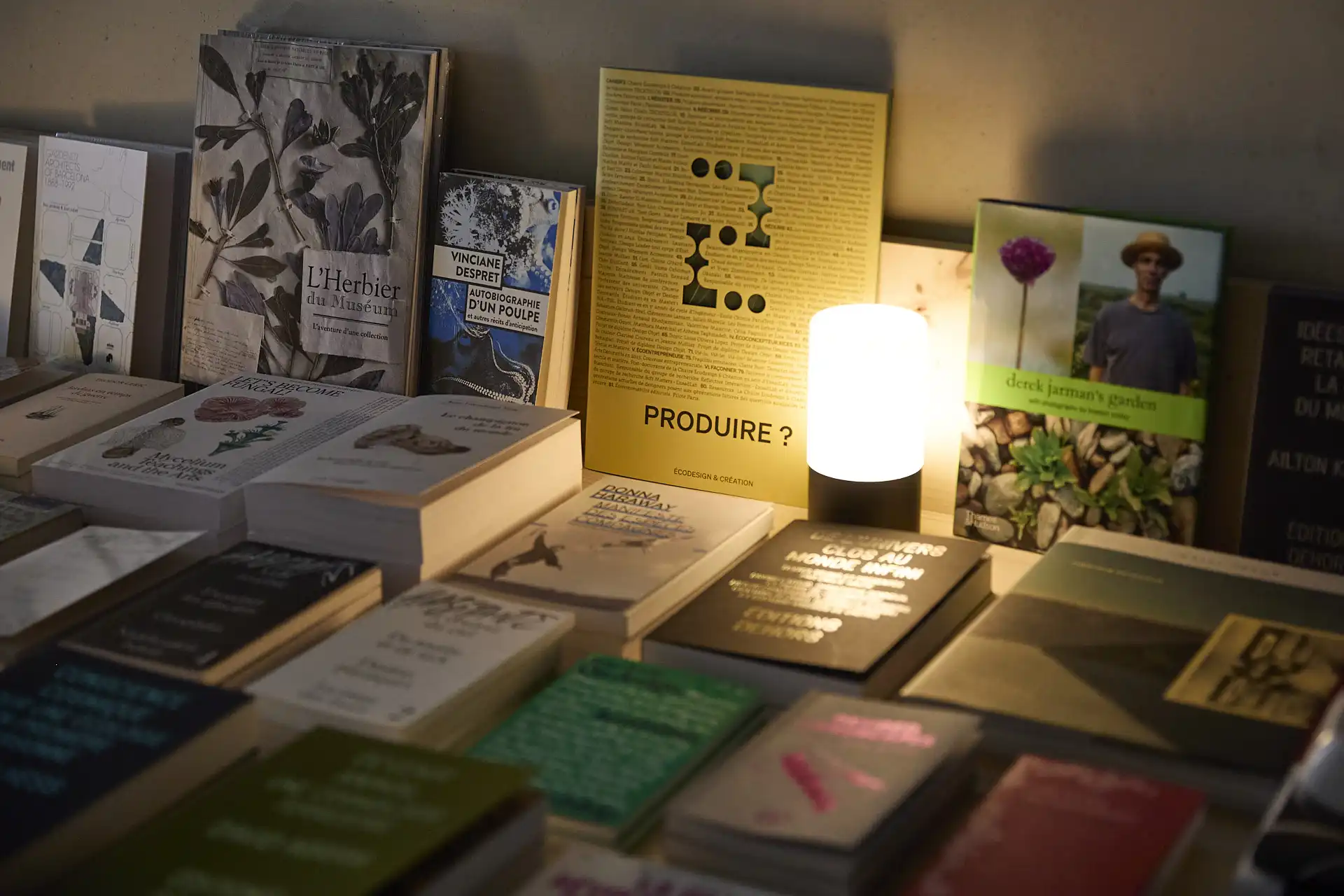
Credits
© Adrian Deweerdt
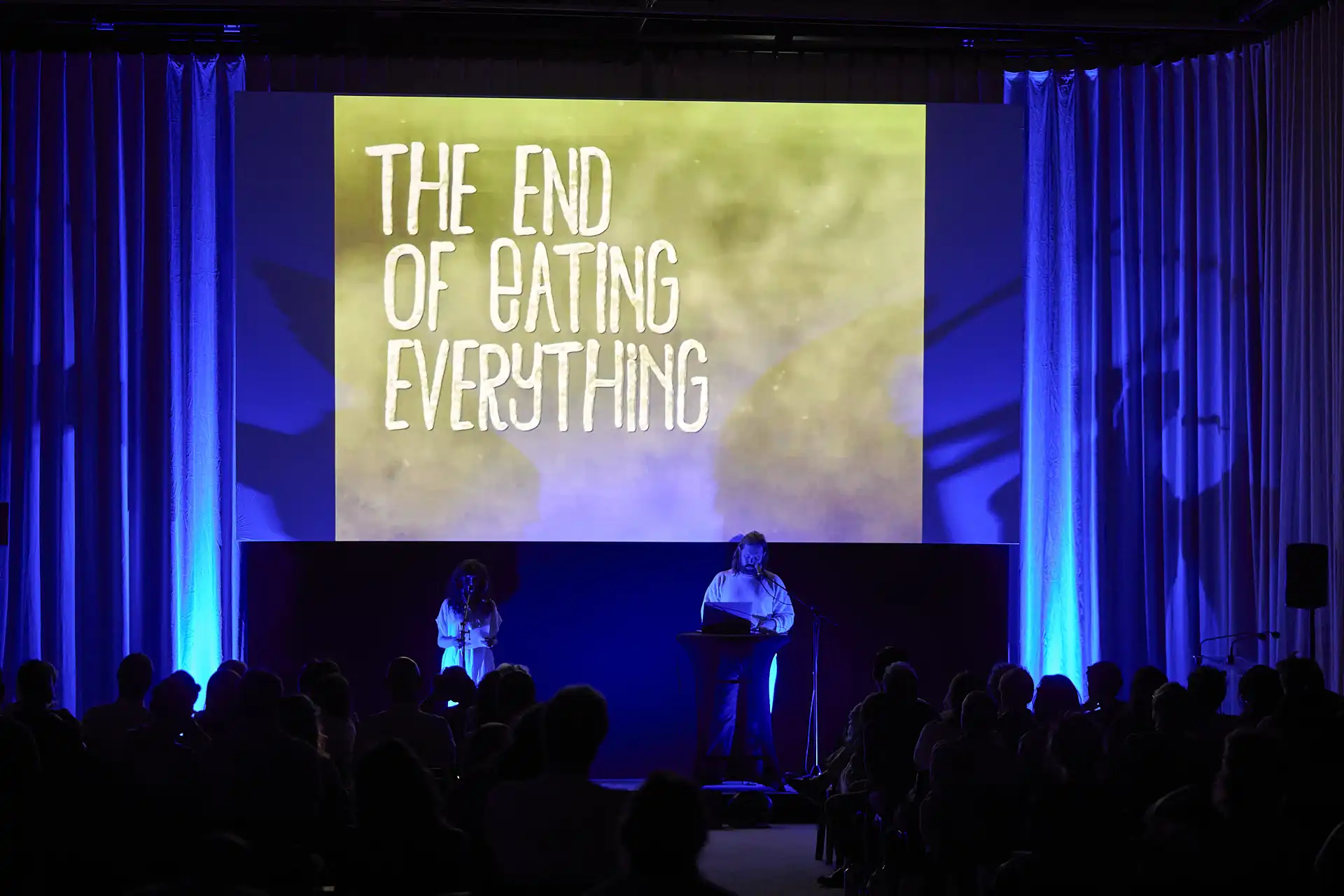
Credits
© Adrian Deweerdt
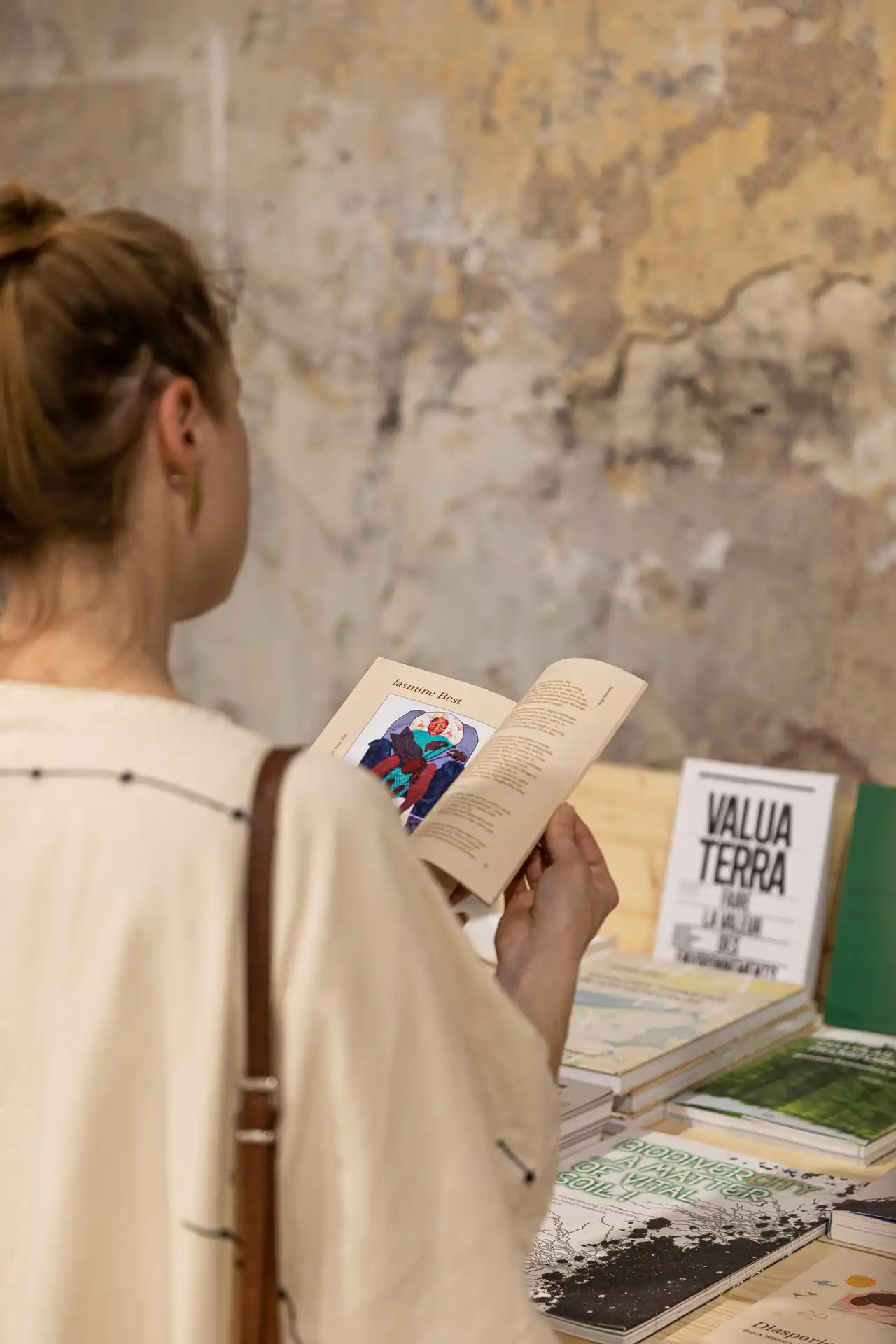
Credits
© Adrian Deweerdt
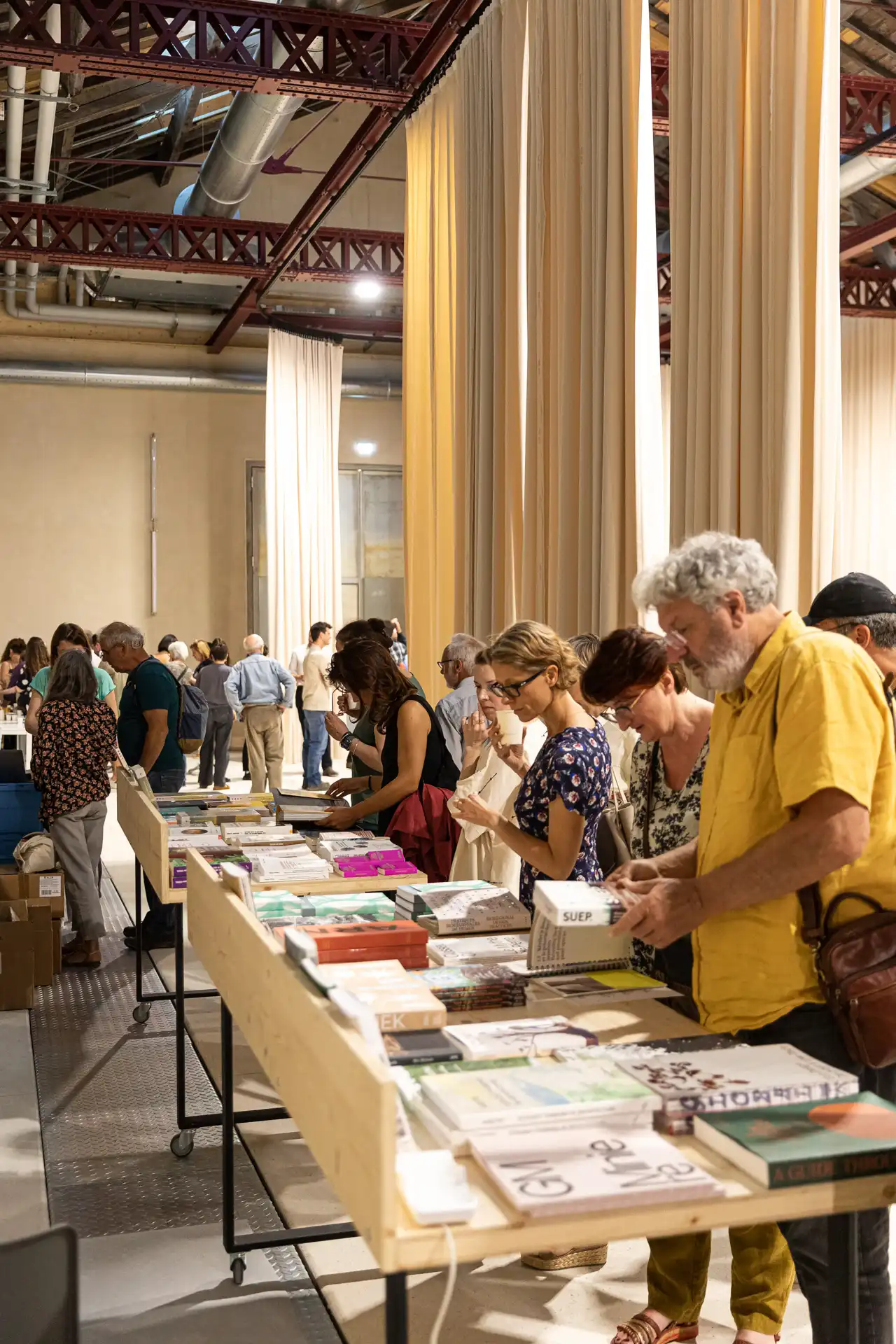
Credits
© Adrian Deweerdt
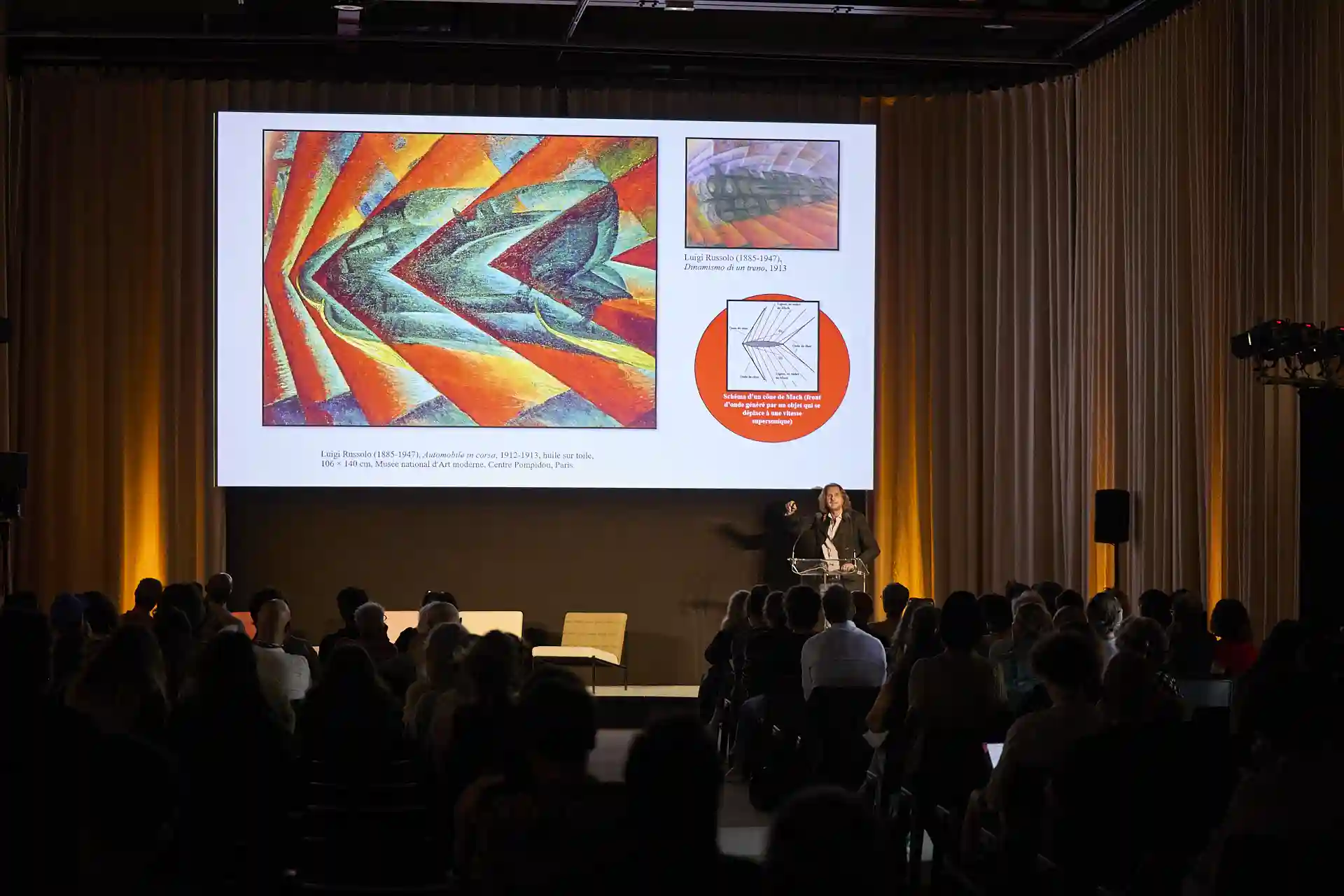
Credits
© Victor & Simon / Grégoire d'Ablon
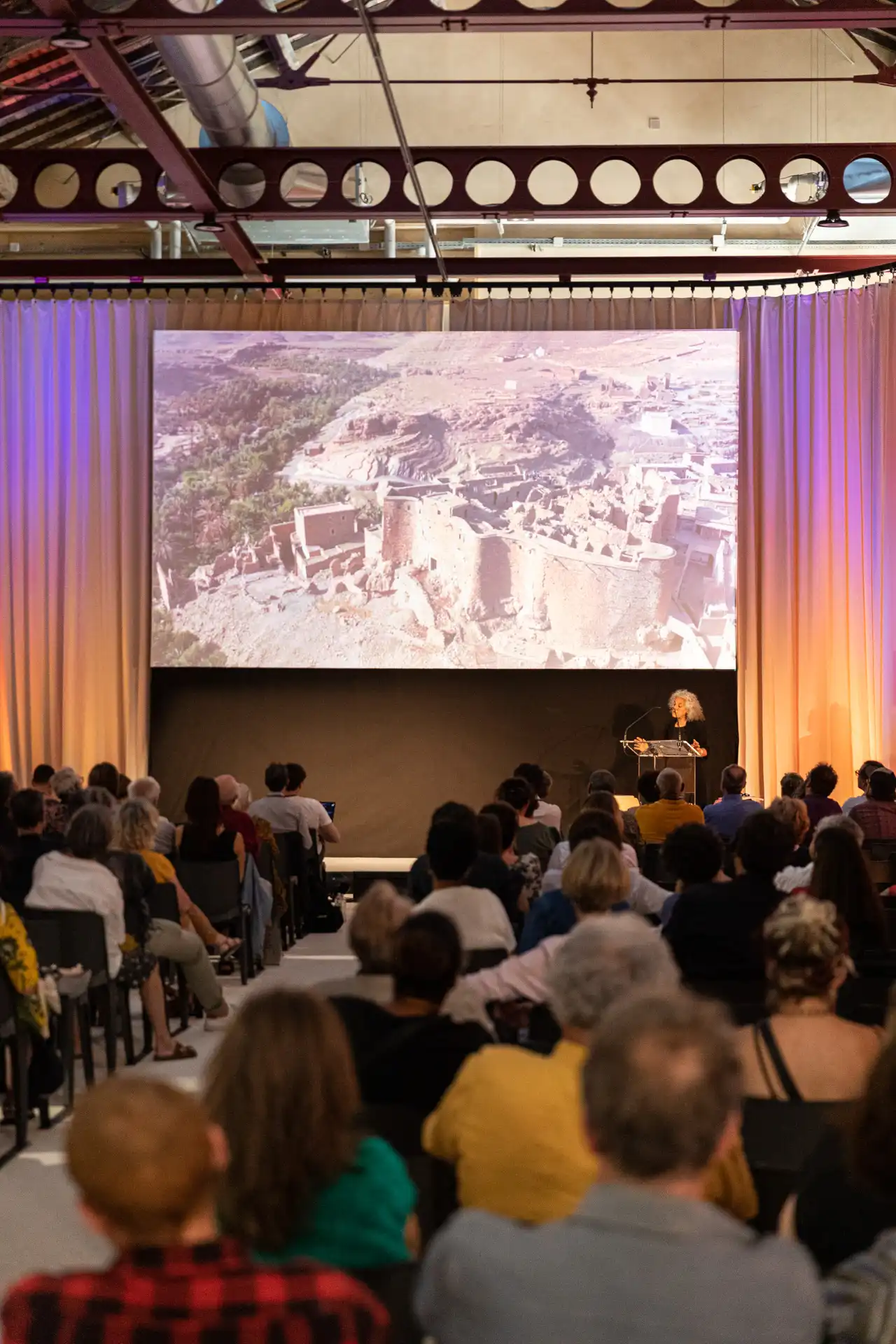
Credits
© Adrian Deweerdt
×
![]()


1
/
7
/Pages%20%C3%A9dito/LUMA%20M%C3%A9dias%20(%C3%A9dito)/Histoire%20Environnementale/JOANA%20LUZ_20190605_LUMA_PERFORMANCE%20KILUANJI_DSF2312Joana%20Luz.webp)
/Pages%20%C3%A9dito/LUMA%20M%C3%A9dias%20(%C3%A9dito)/Histoire%20Environnementale/LUMA_1920_1280_72DPI.webp)
/Pages%20%C3%A9dito/LUMA%20M%C3%A9dias%20(%C3%A9dito)/Histoire%20Environnementale/A3_300DPI3.webp)
/Pages%20%C3%A9dito/LUMA%20M%C3%A9dias%20(%C3%A9dito)/Histoire%20Environnementale/EH_2025_1920_1280.webp)