LUMA Eco Days: Bioregional Assembly 2026
- Circular economy |
- Sustainable construction |
- Ecological transition
- Trade-only event
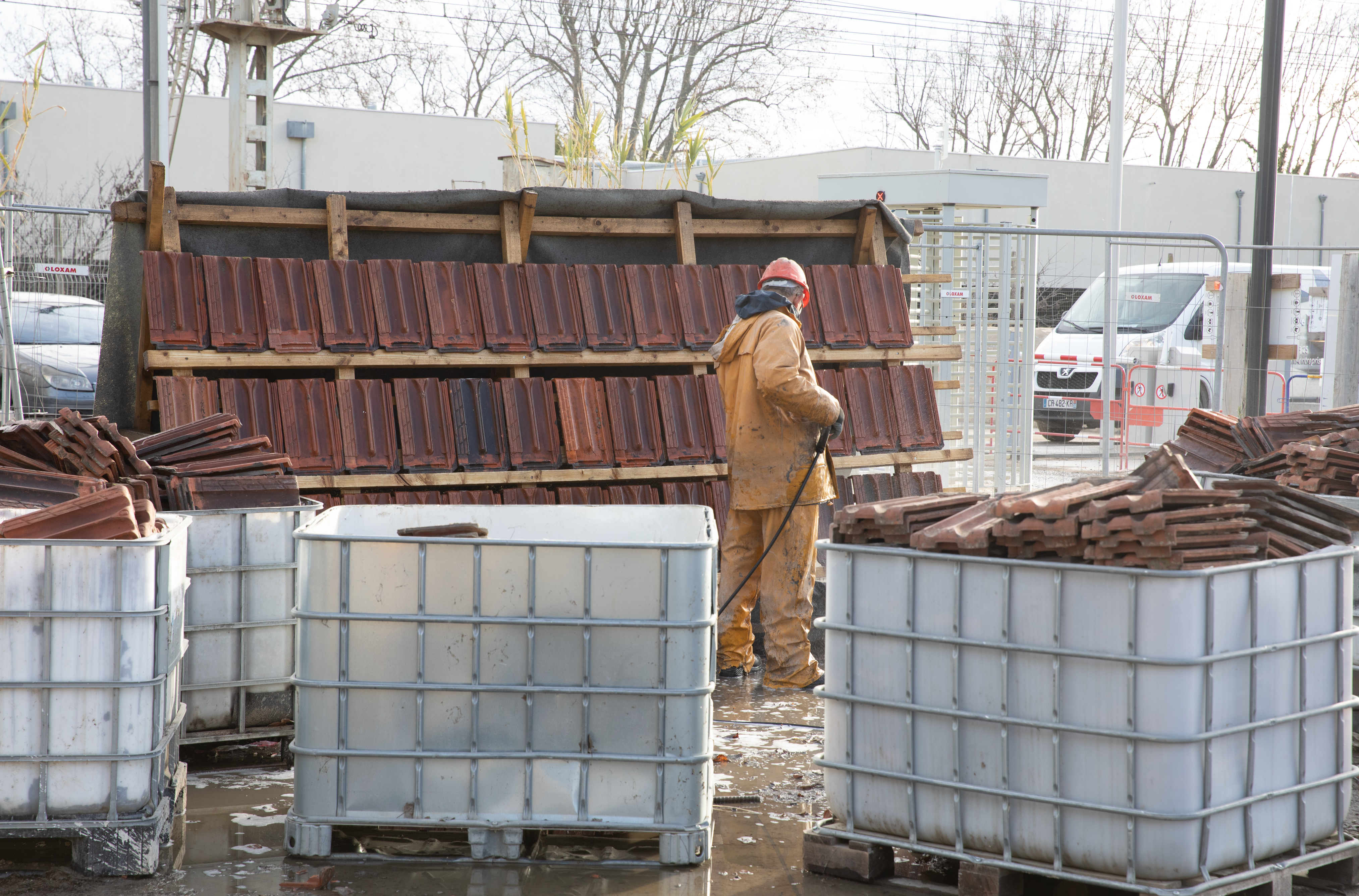
From Sufficiency and Circularity to Sustainable Building—Rehabilitation, Renaturation, Reuse, Repurposing, and Innovation.
LUMA Eco Days: Bioregional Assembly explores the new momentum of bioregional sustainable building through a professional day of presentations, discussions, and exchanges at the Parc des Ateliers, conceived as a platform for the world to come. It is an exercise in reconciling ecological, social, and economic imperatives.
Following previous editions focused on “from field to sustainable building” (2024) and “from heritage to sustainable building: earth, plaster, stone, soils, sediments, reuse, and innovation” (2025), this third edition will focus on sufficiency and circularity in service of sustainable building, through around twenty presentations and case studies.
It is this approach to material sufficiency and circularity, embodied in practices of rehabilitation and material reuse, that we will explore throughout this assembly.
We will present the legal and regulatory frameworks, along with case studies and feedback from practice, to identify both the barriers and the opportunities related to scaling up these “new” practices. These examples will include social housing organizations pooling “second-life” resources at the scale of urban renewal areas, based on anticipated and planned material stocks over several years; public institutions facing urgent, large-scale needs for the renovation and rehabilitation of their city centers; and how local authorities commit to meeting strengthened ecological and social transition objectives.
This support for the emergence of new value chains—leading to new pathways for vocational training and higher education and recruitment highlights the potential for an operational territorial network, with new partners progressively joining as these practices are adopted.
The assembly will also provide an opportunity to explore professions related to diagnosis, processing, and reuse. Examples at multiple scales (urban renewal neighborhoods, city centers, buildings, and FF&E) will be presented. The reuse value chain will be illustrated through the perspectives of its various stakeholders. Drawing on these examples, we will examine the history of certain materials and how their characteristics evolve over time. We will also address future material stocks, through innovations in new construction that incorporate enhanced criteria for disassembly and circularity — conceiving buildings as material banks for reuse in a future marked by uncertain resources.
The assembly will take place at Le Magasin Électrique, a demonstrator building for bioregional sustainable construction practices. Its renovation draws on research conducted by Atelier LUMA into bio-based and geo-based materials, as well as reuse practices. This project, led by Atelier LUMA, BC architects & studies, and Assemble, is a finalist for the 2026 EUmies Awards, the European Union Prize for Contemporary Architecture.
Practical Information
The full program for the assembly day is available at this link.
Event reserved for professionals.
To attend this event, please contact Yannick Barré.
Note: Certain conferences will be held in French, others in English.
Simultaneous translation will be available for attendees.
This Assembly will explore the challenges of resource efficiency and circularity in the building sector through concrete examples of rehabilitation, material reuse, and place-based innovation. Combining regulatory perspectives, real-world case studies, and pioneering demonstration projects, the program highlights the people, skills, and solutions shaping a more sustainable and resilient model of construction. An invitation to discover how rethinking resources, practices, and territories can help us build differently.
Program Highlights
Friday, May 29
9:00 a.m. – 10:45 a.m.
Speakers include:
- Victor Meesters (Rotor, Brussels)
- Benoit Campion (Safran Conceptions Urbaines, Arles)
- Raphaël Fretigny & Fabien Lasserre (GIE La Méta / Vilogia, Lille)
- Agnieszka Bogucka (PrésRV, Roubaix)
- Franck Caro (SPLA-IN AMP, Marseille)
- Tiphaine Guélou & Marie Turpin (Raediviva, Marseille)
11:00 a.m. – 12:30 p.m.
Speakers include:
- Sylvain Saudo (Territoire 34, Lodève)
- Jérémie Bernard (Toulouse Métropole)
- Estelle Barriol & Fanny Bordes (Studio ACTE)
- Grégoire Saurel (Bellastock, Marseille)
- Benjamin Poignon (Baubüro In Situ, Winterthur)
12:30 p.m. – 2:00 p.m.
Lunch Break
2:00 p.m. – 3:15 p.m.
Speakers include:
- Jean-Bernard Memet (A-Corros, Arles)
- Sabine Rau-Oberhuber (Turntoo / Madaster, Luxembourg)
- Kevin Richardson (Madaster Belgium)
- Jean-Pierre Schwarz (Alpes Contrôles, Avignon)
- Alexia Rolle (CSTB, Paris)
3:30 p.m. – 5:00 p.m.
Speakers include:
- Gabrielle Raynal (Domene Scop, Arles)
- Frédéric Denise (Archipel Zéro, Le Havre)
- Julien Choppin (ENSA Normandie, Rouen)
- Charlotte Lovera (Atelier Aïno, Septèmes-les-Vallons)
- Laurens Bekemans (BC Architects, Arles)
- Closing remarks by Sabine Barles (Université Paris 1 Panthéon-Sorbonne)
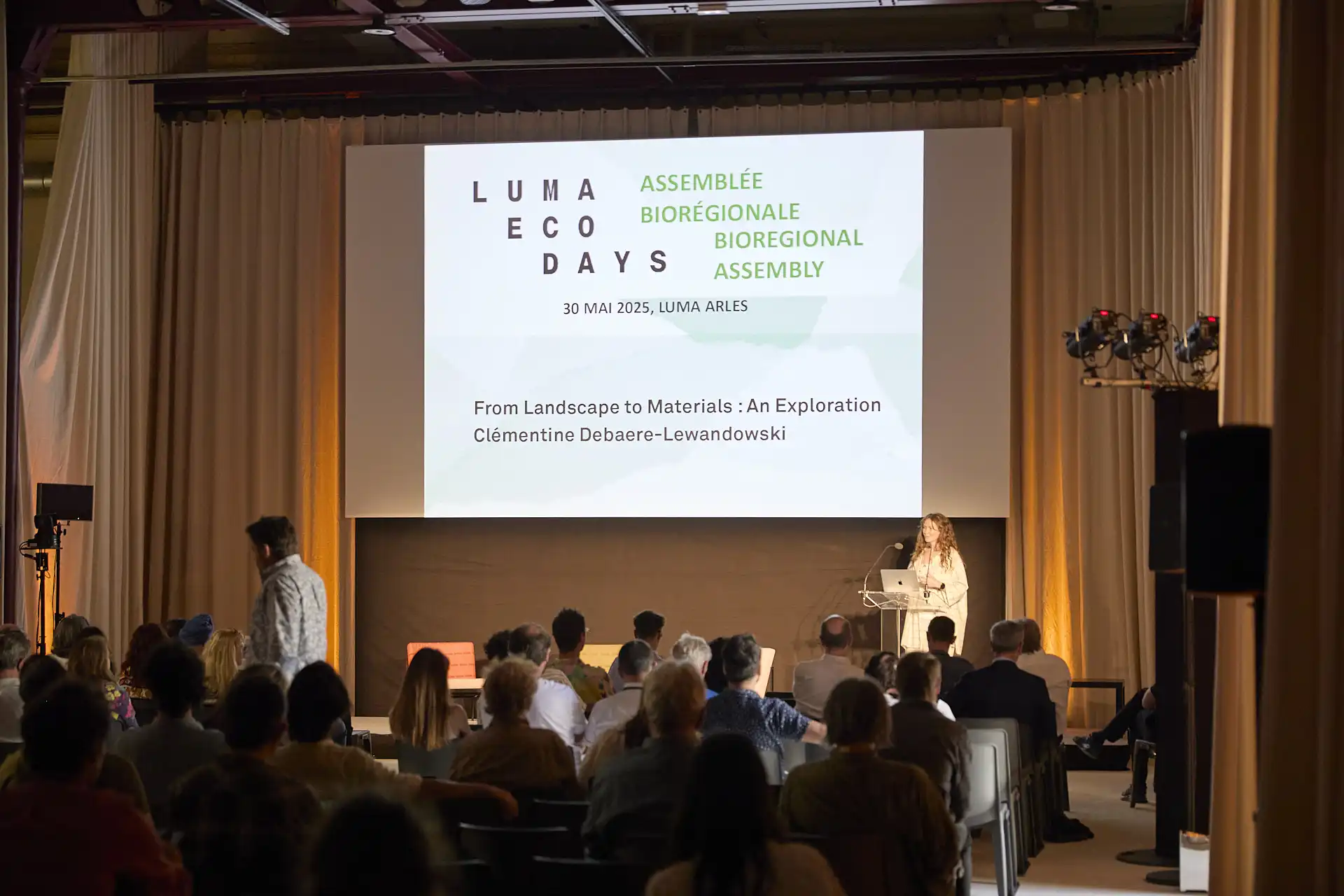
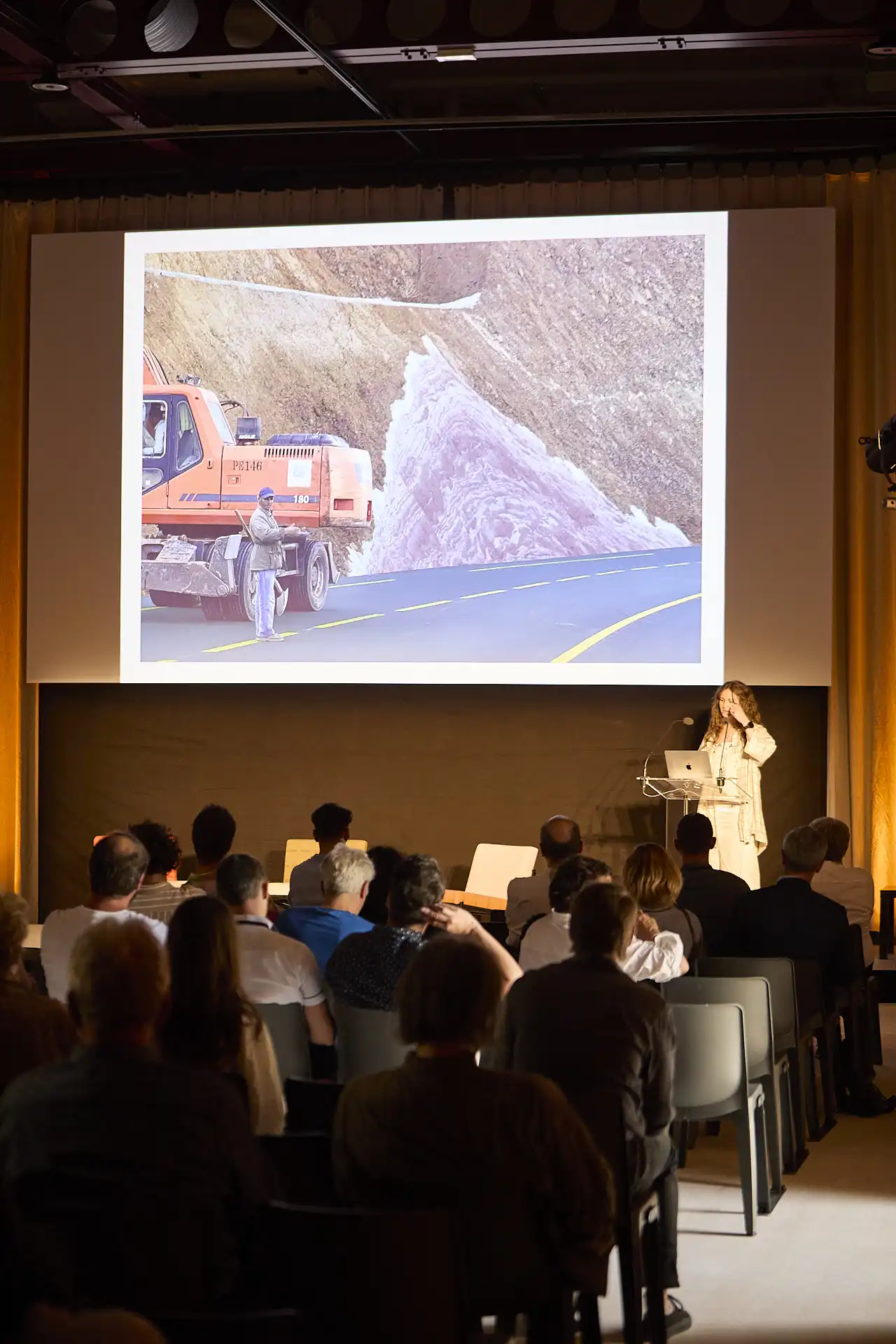
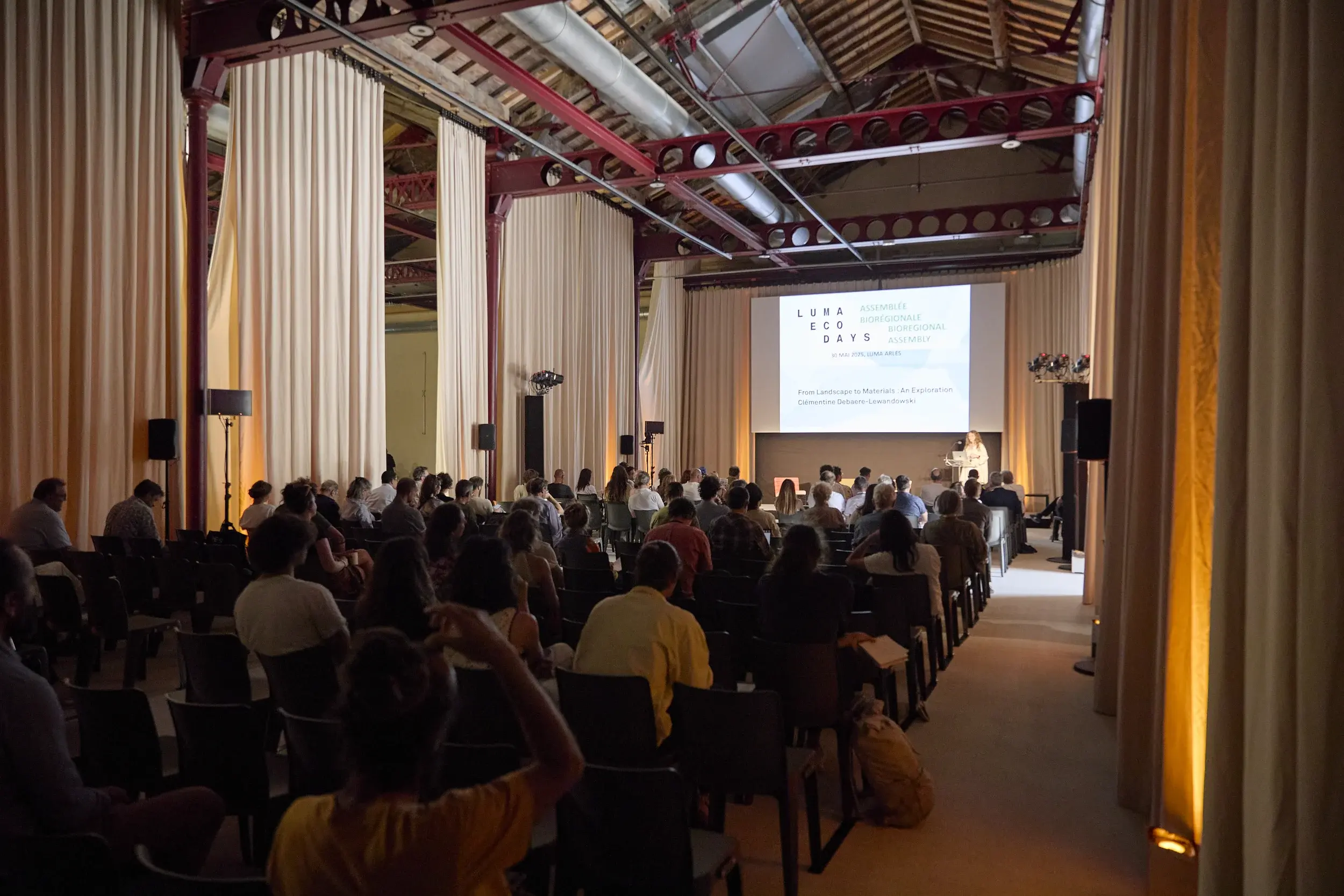
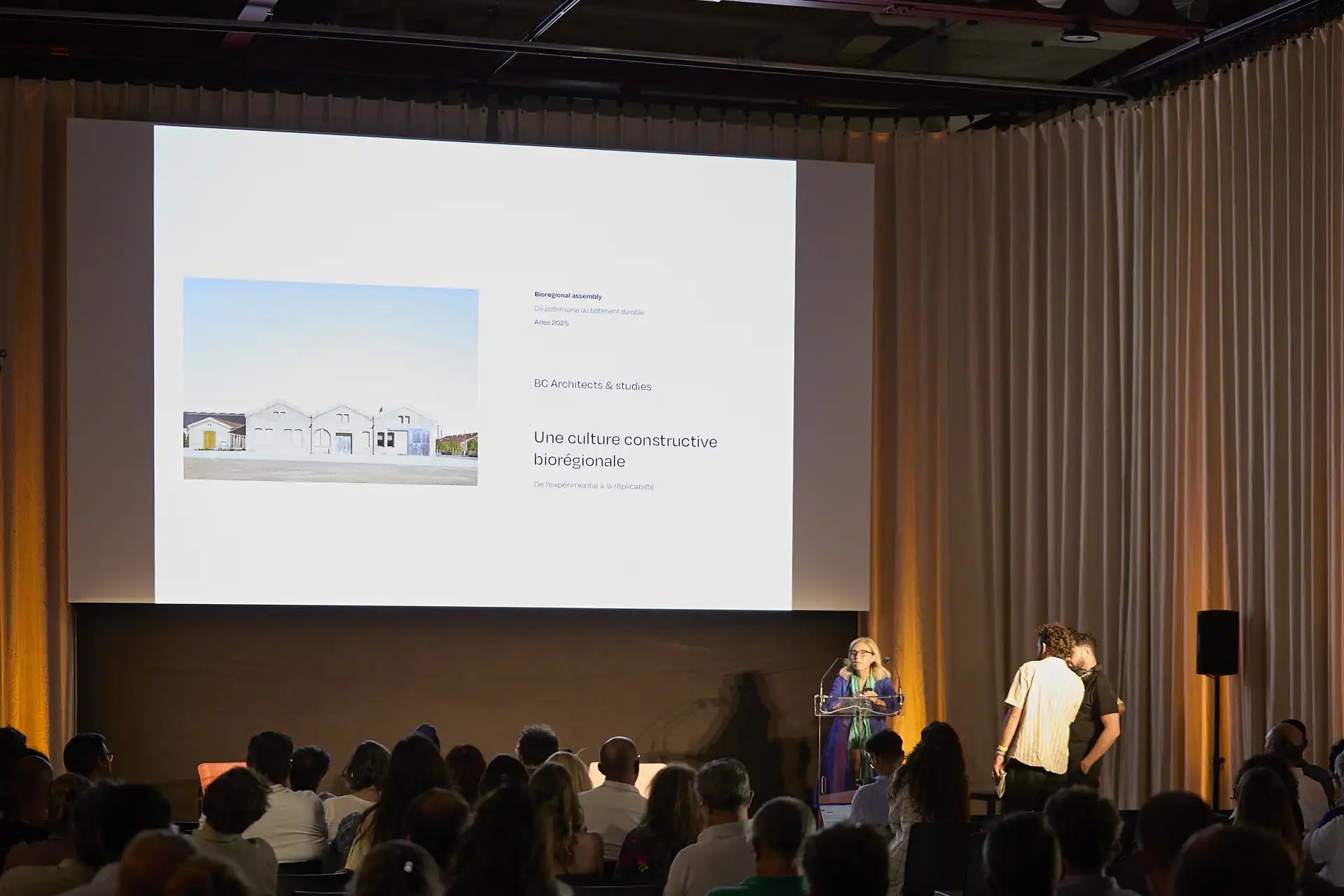
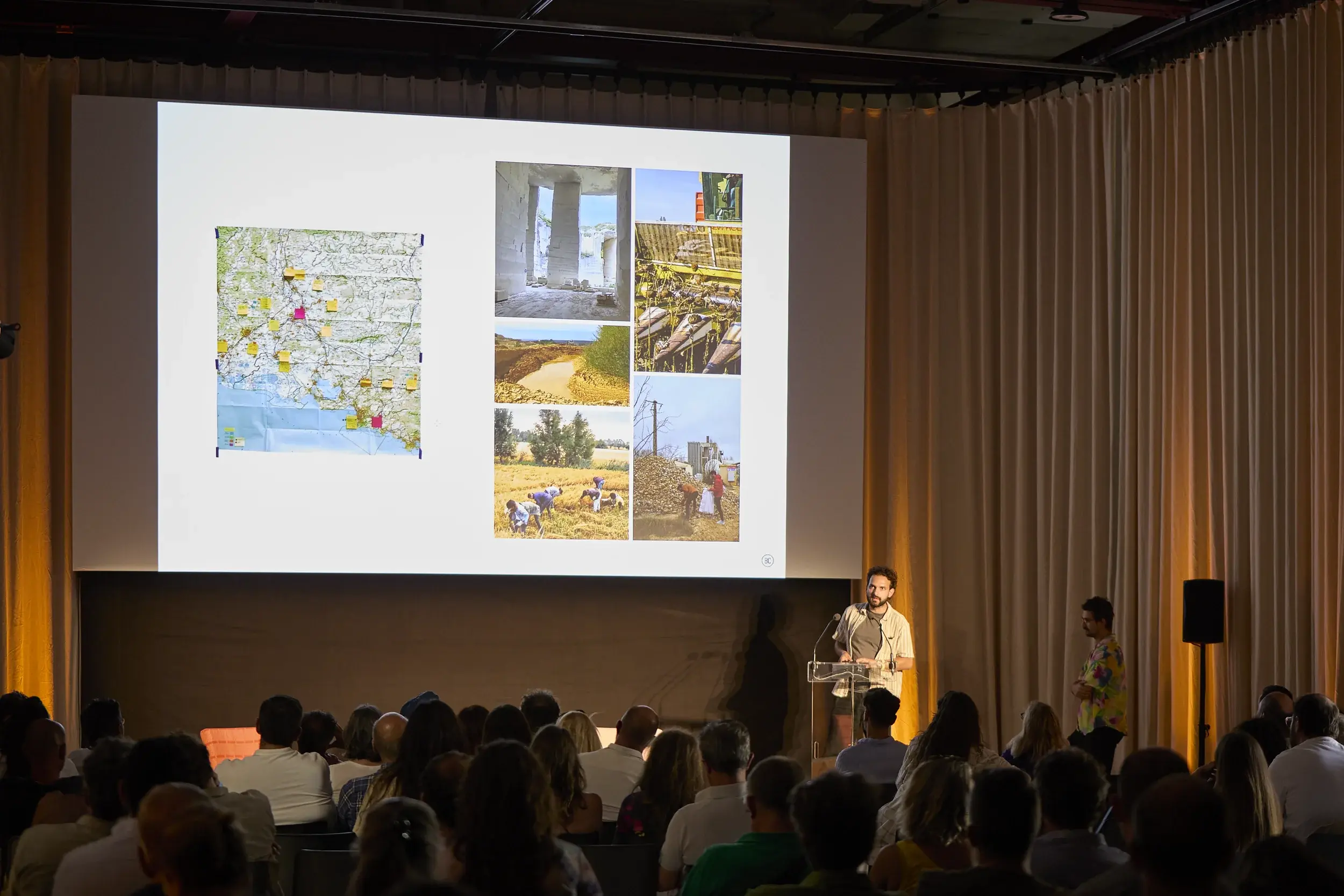
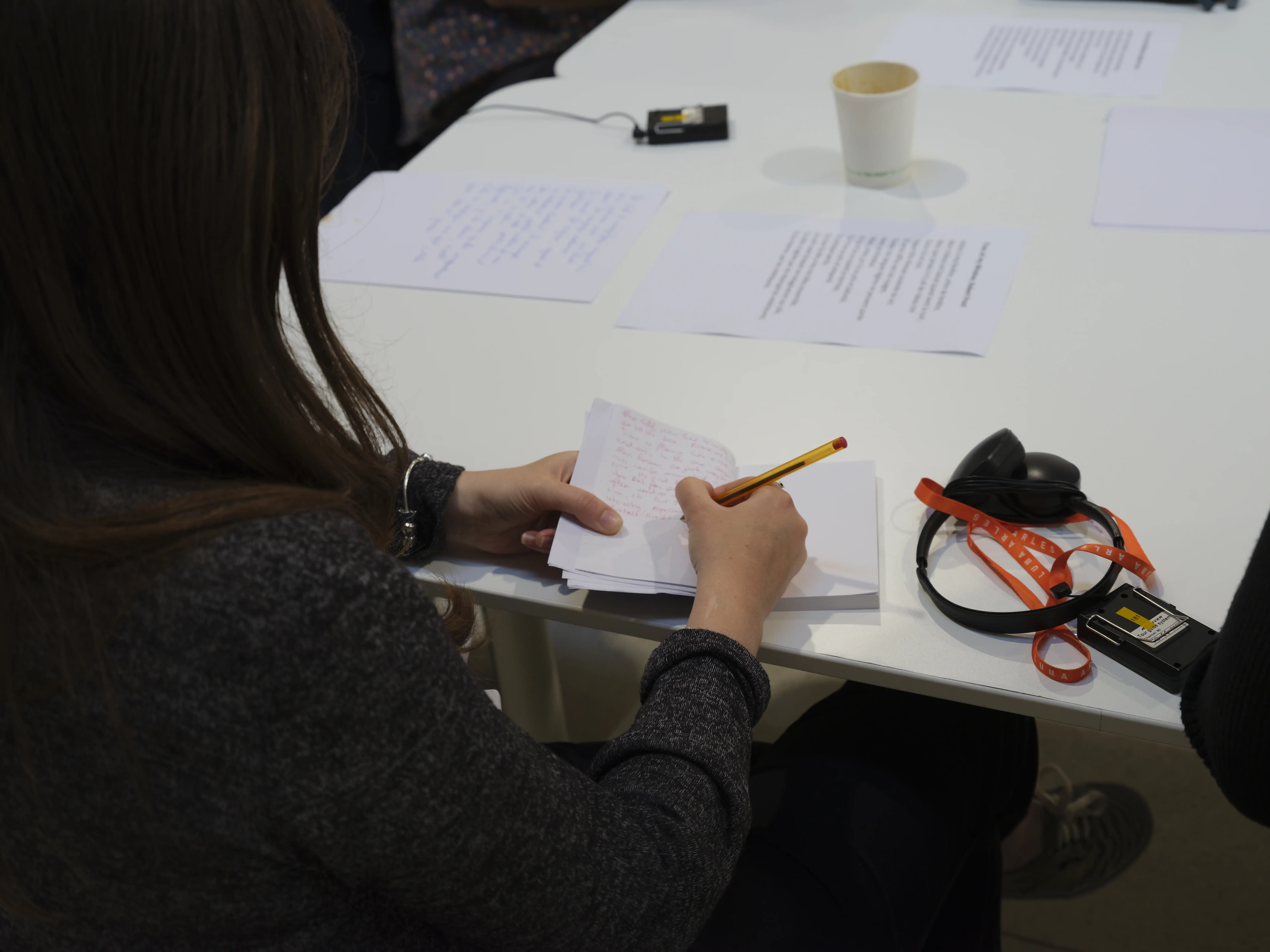
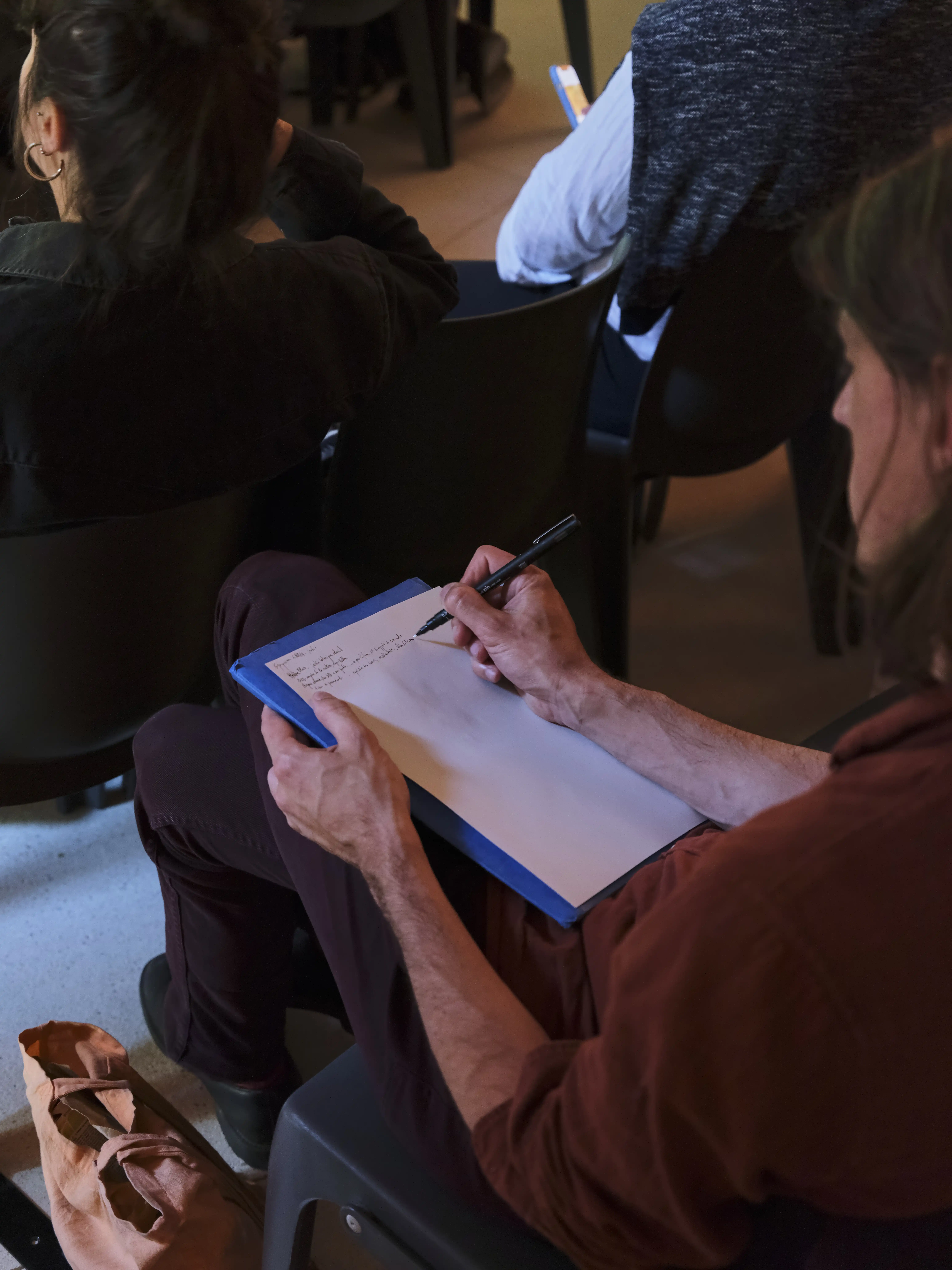
Images from previous editions


Following the Assembly: Opening of the Environmental History Symposium
Starting at 6:00 p.m., following the Assembly, the 5th edition of the Environmental History Symposium will open with an introduction by Grégory Quenet, Professor of Environmental History (UVSQ – Université Paris-Saclay).
His keynote will be followed by a panel discussion featuring Sabine Barles (urban planner and foresight specialist) and Lionel Devlieger (engineer-architect, historian, and co-founder of Rotor) around the theme: “The Invention of Waste.”