
Explore the full series of conference sessions from the event, available online.
Realities of Science Fiction II
- Symposium
/Jean%20Pierre%20Bekolo.jpg)
Jean-Pierre Bekolo
Jean-Pierre Bekolo is a filmmaker. Through a committed practice spanning thirty years, he has explored numerous cinematographic genres with the aim of deconstructing stereotypes about Africa and its cinema. A pioneer of Afrofuturism, he explores science fiction, but also playful tales, thrillers, and documentaries (fictional and real). He has directed many films including Quartier Mozart (1992) (awarded at the Cannes Festival, Locarno, Montreal), Le complot d’Aristote (1996), Le Président (2013), Naked Reality (2016) and Les Saignantes (2005; classified by MoMA as one of the 70 classics of science fiction).
/Sabrina_Calvo_-_Img20220131_21080449-Modifier-2.jpg)
Sabrina Calvo
Sabrina Calvo is a writer and visual artist. For more than twenty years, she has been working on an exploration of the materials of the invisible and the intimate, of fractures and healings, through tenderness, the absurd, and an inconsolable desire for grace. Sabrina has published at La Volte: Elliot du Néant (2012), Sous la colline (2015), Toxoplasma (2017) Prix Rosny Aîné and Grand Prix de l’Imaginaire (2018), and Melmoth Furieux (2021).
/grace-dillon.jpg)
Grace L. Dillon
Grace L. Dillon, PhD is an Anishinaabe academic and author. She is a professor in the Indigenous Nations Studies Program at Portland State University. She has coined the term Indigenous Futurisms, a cultural movement expressing Indigenous perspectives of the past, present and future in the context of science fiction and related sub-genres. Dillon is the author of Hive of Dreams: Contemporary Science Fiction from the Pacific Northwest (Oregon State University Press, 2003) and the editor of Walking the Clouds: An Anthology of Indigenous Science Fiction (University of Arizona Press, 2012), the first anthology of Indigenous science fiction short stories. In 2023, The Routledge Handbook of CoFuturisms will be published, edited with Siah Lavender III, Taryne Taylor and Bodhi Chattopadhyay.
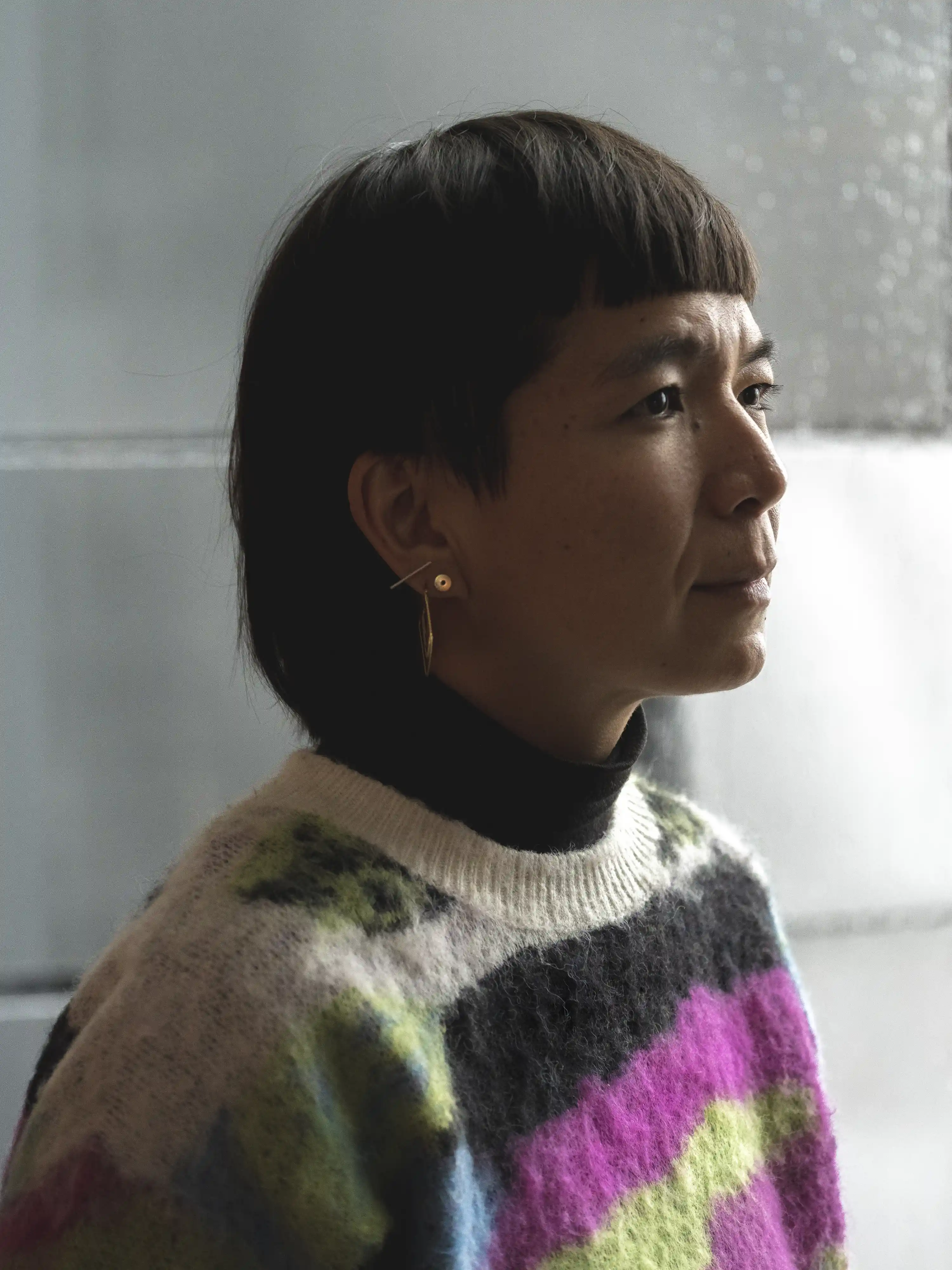
Naomi Rincón Gallardo
Naomi Rincón Gallardo is a visual artist. Her work constructs imaginary narratives, often inspired by Mesoamerican myths, stories and accounts of resistance against heteropatriarchal and colonial dispossession. In her stories, ancestral beliefs combine with contemporary aesthetic references, such as DIY and queer aesthetics, creating a universe that is visually saturated and abundant, but also familiar in its almost handcrafted construction. Some of her notorious works include Sangre pesada (2018), Resiliencia Tlacuache (2019). Her exhibitions include the Berlin Biennial (2020) and the Venice Biennial (2022).
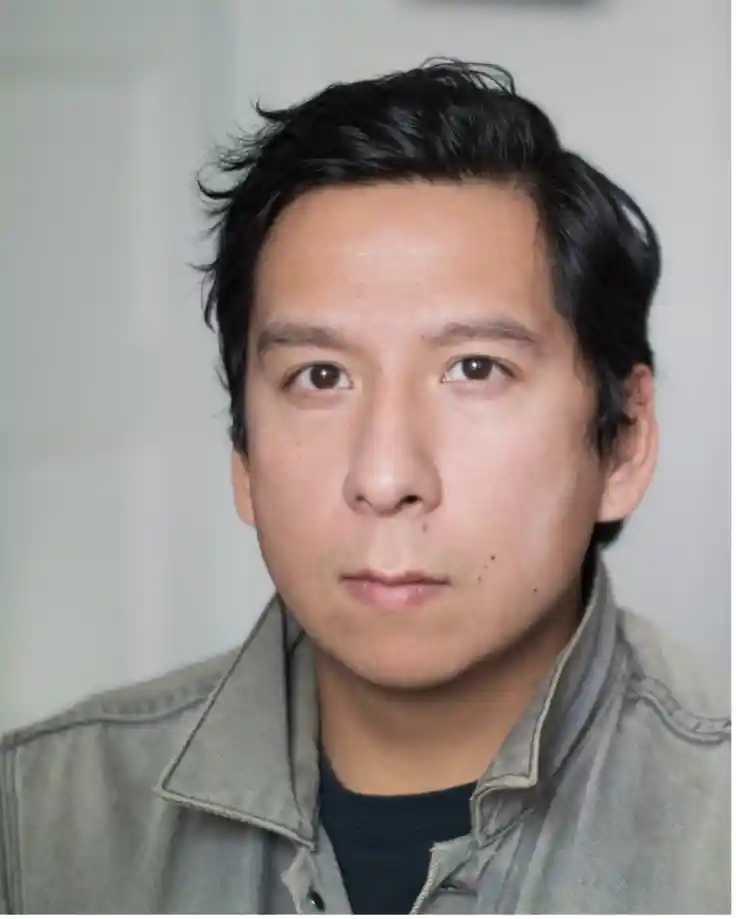
Sky Hopinka
Sky Hopinka (Ho-Chunk Nation/Pechanga Band of Luiseño Indians) was born and raised in Ferndale, Washington and spent a number of years in Palm Springs and Riverside, California, Portland, Oregon, and Milwaukee, Wisconsin. In Portland he studied and taught chinuk wawa, a language indigenous to the Lower Columbia River Basin. His video, photo, and text work centers around personal positions of Indigenous homeland and landscape, designs of language as containers of culture expressed through personal, documentary, and non fiction forms of media. He received his BA from Portland State University in Liberal Arts and his MFA in Film, Video, Animation, and New Genres from the University of Wisconsin-Milwaukee, and currently teaches at Bard College in Film and Electronic Arts.
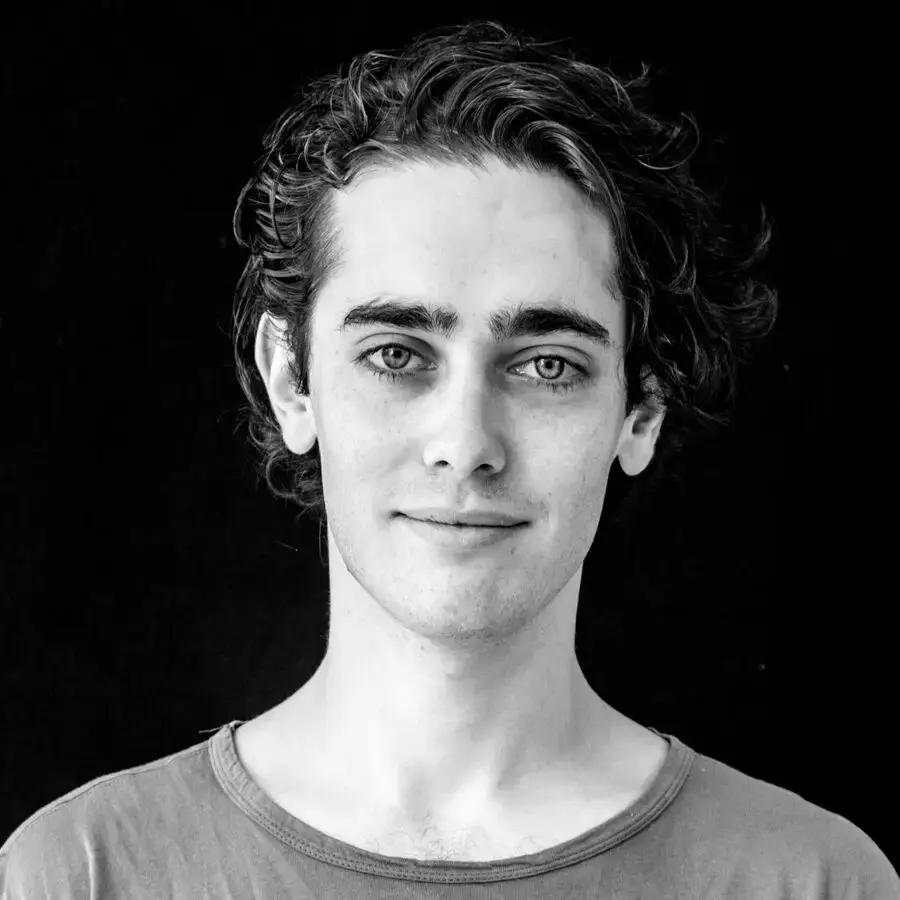
Adam Haar
Adam Haar Horowitz was in residence at LUMA Arles from october to december 2023.
Adam Haar is a scientist. He received his PhD from MIT, working between the MIT Media Lab and the Harvard Medical School Center for Sleep and Cognition. He works to translate brain science into experiences and interventions, with a focus on sleep and dreams. He is a co-inventor of the Dormio device and Targeted Dream Incubation technique, which help people alter their dreams. Currently, he is building tools for nightmare treatment with psychiatrists at the US Dept of Veterans Affairs, co-organizing MIT’s Dream Engineering Symposium focused on scientific ethics, and designing a Dream Hotel with artist Carsten Höller. Adam’s work has been presented in Nature, Science, National Academy of Sciences, Harper’s, Cannes, and the World Economic Forum.
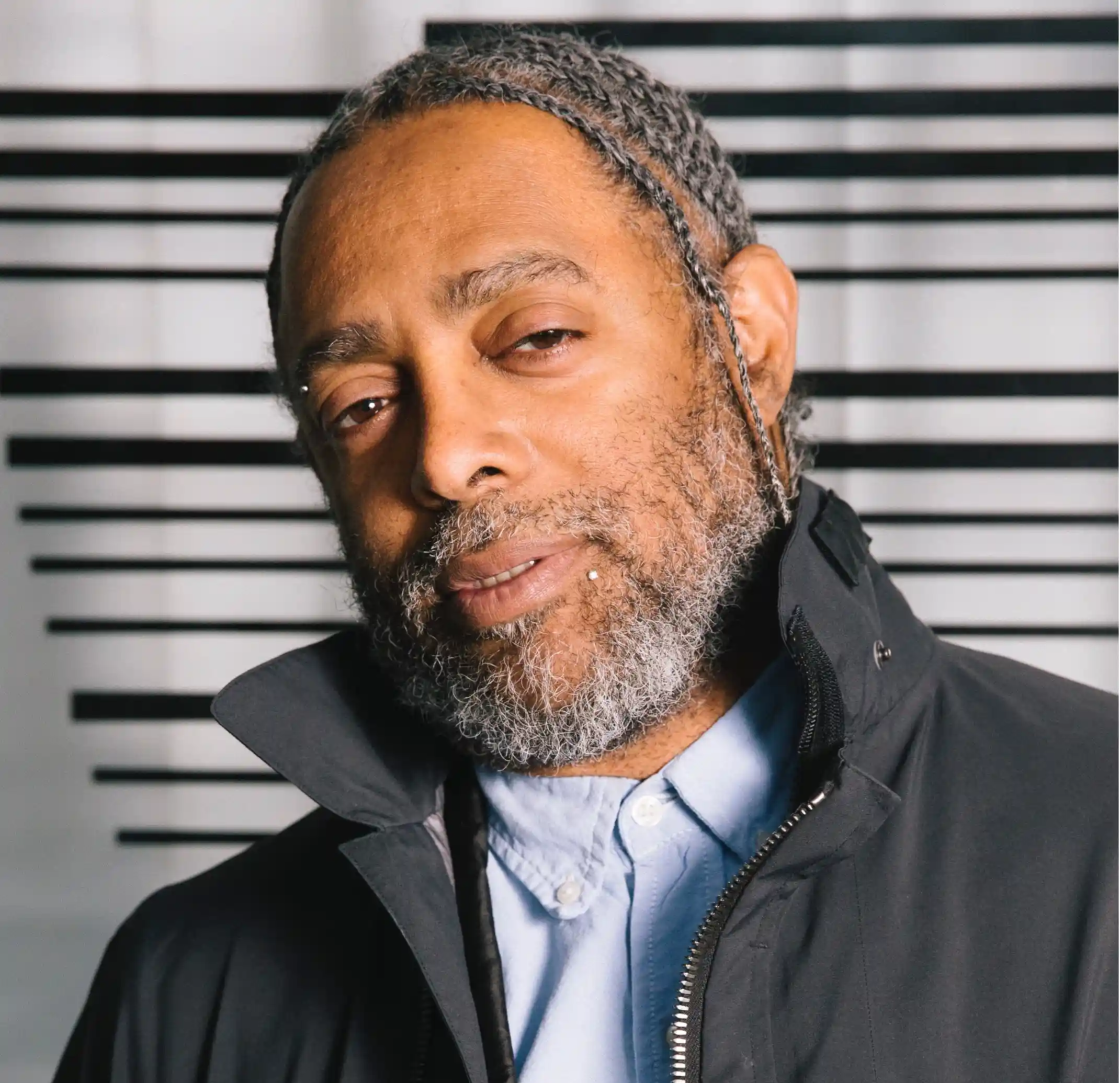
Arthur Jafa
Arthur Jafa (b. 1960, Tupelo, Mississippi) is an artist, filmmaker and cinematographer. Across three decades, Jafa has developed a dynamic practice comprising films, artefacts and happenings that reference and question the universal and specific articulations of Black being. Underscoring the many facets of Jafa’s practice is a recurring question: how can visual media, such as objects, static and moving images, transmit the equivalent "power, beauty and alienation" embedded within forms of Black music in US culture?
Jafa’s films have garnered acclaim at the Los Angeles, New York and Black Star Film Festivals and his artwork is represented in celebrated collections world- wide including The Metropolitan Museum of Art, The Museum of Modern Art, The Tate, The San Francisco Museum of Modern Art, The Studio Museum in Harlem, The High Museum Atlanta, The Dallas Museum of Art, The Museum of Contemporary Art in Chicago, Stedelijk, LUMA Foundation, The Perez Art Museum Miami, Los Angeles Museum of Contemporary Art, The Hirshhorn Museum and Sculpture Garden; and the Smithsonian American Art Museum, among others.
Jafa has recent and forthcoming solo exhibitions of his work at the Pérez Art Museum Miami; the Berkeley Art Museum and Pacific Film Archives; Galerie Rudolfinum, Prague; Moderna Museet, Stockholm; and the Louisiana Museum of Art, Denmark. In 2019, he received the Golden Lion for the Best Participant of the 58th Venice Biennale “May You Live in Interesting Times.”
/Keeliing%20Bio%20Photo%202020.jpeg)
Kara Keeling
Kara Keeling is Professor of Cinema and Media Studies and American Studies and Ethnicity at the University of Southern California. Keeling is author of Queer Times, Black Futures (New York University Press, 2019) and The Witch’s Flight: The Cinematic, the Black Femme, and the Image of Common Sense (Duke University Press, 2007) and coeditor (with Josh Kun) of a selection of writings about sound and American Studies entitled Sound Clash: Listening to American Studies (Johns Hopkins University Press, 2012).
/Georgy%20Mamedov%20Photo.jpg)
Georgy Mamedov
Georgy Mamedov is a curator, artist, and activist based in Bishkek, Kyrgyzstan. He is Assistant Professor of Film and Media Arts at the American University of Central Asia. History and the practice of radical imagination are the central themes of his work. Georgy co-authored and co-edited a number of publications including the pioneer Russian-language collection of feminist and queer sci-fi Utterly Other (Bishkek 2018), the book Queer Communism is Ethics (Moscow 2016), and Bishkek Utopian (Bishkek, 2015) among others. In 2015, Mamedov became a chevalier of the French order of Arts and Letters.
/Jos%C3%A8fa-Ntjam_-2024-%C2%A9Sarah-Makharine-_1_2MO_.webp)
Josèfa Ntjam
Josèfa Ntjam is an artist, performer, and writer whose practice combines sculpture, photomontage, film, and sound. Collecting the raw material for her work from the internet, books on natural sciences, and photographic archives, Ntjam uses assemblage—of images, words, sounds, and stories—as a method to deconstruct the grand narratives underlying hegemonic discourses on origin, identity, and race. In 2025, Ntjam participated in the thirty-sixth São Paulo Art Biennial and the MOMENTA Biennale d’art contemporain, Montreal, and her largest exhibition to date, INTRICATIONS, was presented at the IAC Villeurbanne. Ntjam has been nominated as a finalist for the 2026 Marcel Duchamp Prize, which will lead to an exhibition at the Musée d’Art Moderne de Paris in October, organized in collaboration with Centre Pompidou, Paris. Solo exhibitions include swell of spæc(i)es, the official collateral event of the sixtieth Venice Biennale, commissioned by LAS Art Foundation (2024); Une cosmogonie des océans, LVMH Métiers d’Art, Paris (2024); Futuristic Ancestry, Fotografiska, New York, Berlin, Stockholm, and Tallinn (2024–2026); and Matter Gone Wild, Fondation Pernod Ricard, Paris (2023–2024), among others.
/Pacale%20Obolo.jpeg)
Pascale Obolo
Voici le texte dépourvu des balises HTML et correctement formaté :
Pascale Obolo is a filmmaker-researcher, independent curator, activist and editor of the art magazine AFRIKADAA. She works on questions of transmissions and exchange of knowledge and experience. She questions memories, identity, exile and invisibility. Refusing to be reduced to a particular film genre, she produces and directs “filmic objects” including Calypso Rose: The lioness of the jungle (awarded the Silver Yennega Prize at Fespaco Festival in 2013).
She also directs the African Art Book Fair (AABF), an independent publishing fair supporting qualitative and unique publishing practices in Africa.
/Val%C3%A9rie%20Pihet.jpg)
Valérie Pihet
Valérie Pihet is an independent researcher. She has developed a practice of experimentation at the crossroads of arts and humanities. She is currently a PhD candidate in political science focusing on the challenges of multidisciplinary evaluation at Université Paris Lumières. She was Bruno Latour’s collaborator with whom she co-founded the program of experimentation in arts and politics at Sciences Po Paris. Since 2012, she co-directs “Dingdingdong,” an institute for the co-production of knowledge on Huntington’s disease, which she created with the writer Emilie Hermant.
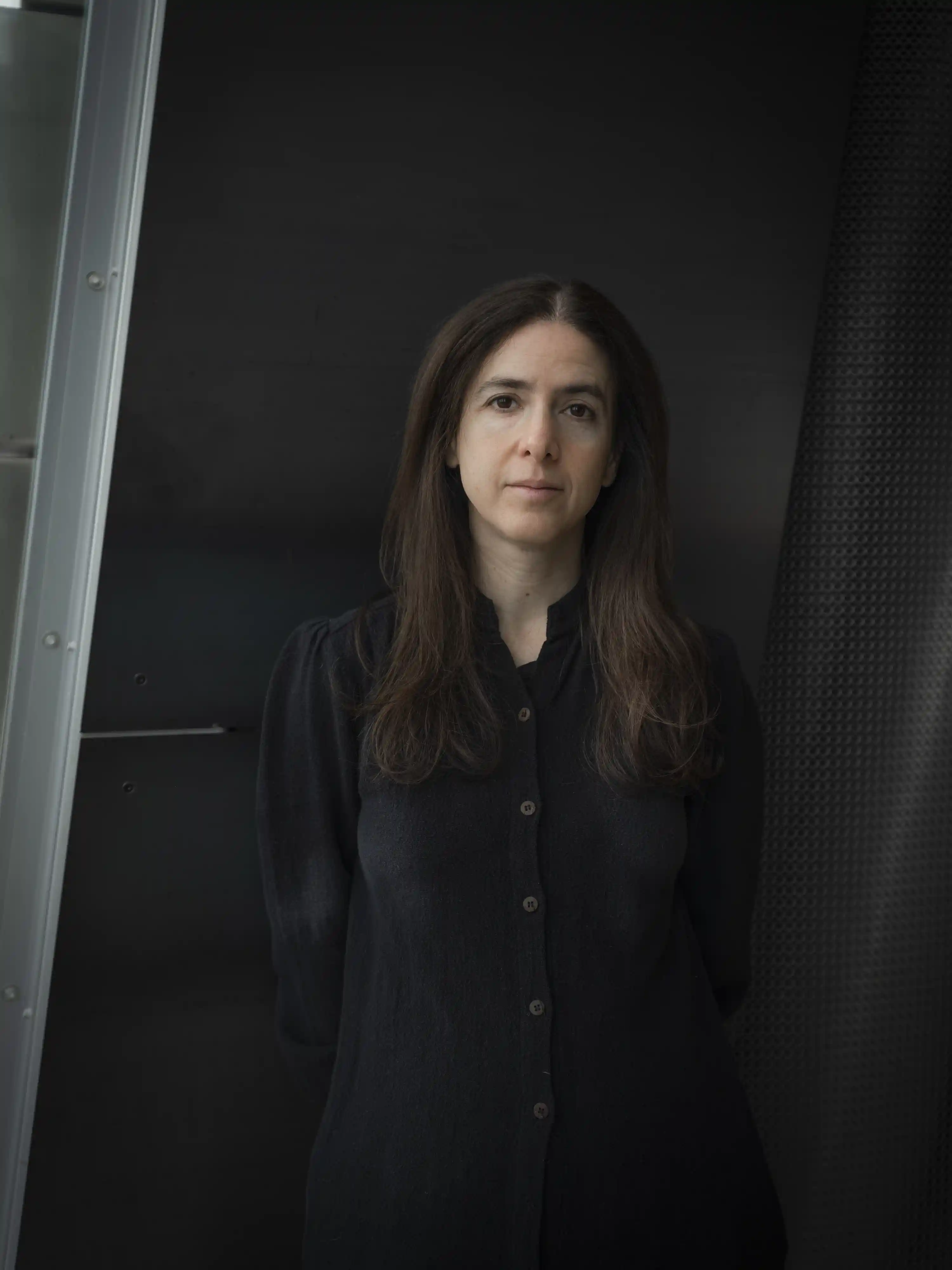
Amie Siegel
Amie Siegel is a visual artist. A way to consider her work—be it a film, video, photograph, installation or painting—is to consider each piece as a case study. Siegel often focuses on the way things work, seeing through appearances and making visible layers of circulation, economic influxes, patterns of gaze and processes of constructing value. Her work is in public collections including The Museum of Modern Art, New York; Whitney Museum of American Art, New York; Tate Modern, London.
/Nintendra%20Singh.png)
Nitendra Singh
Nitendra Singh is a nuclear engineer with expertise in nuclear safety and design, working at the ITER organization as Project Associate responsible for the safety assessment of Tritium Breeding Blanket Systems (TBBS). He holds a Doctorate in Nuclear Engineering from Homi Bhabha National Institute (HBNI), India; a Master's in Nuclear Engineering from Université Paris Sud-XI, and Women in Nuclear in India association (WiN-India); and is a founding member of Women in Fusion (WiF) and InFusEd (International Fusion Energy Education).
/PeterWatts.jpeg)
Peter Watts
Peter Watts is a former marine biologist, author, flesh-eating-disease survivor and (according to the US government) Undesirable Element whose novels—despite an unhealthy focus on Space Vampires—have become required texts for university courses ranging from Philosophy to Neuropsychology. His work is available in 24 languages, has appeared in 32 best-of-year anthologies, and been nominated for 59 awards from a dozen countries. His (significantly shorter) list of 22 actual wins includes the Hugo, the Shirley Jackson, and the Seiun.