Start your selection by adding your first favorites.
Here is your list of favorites.
Just enter your email address to receive it.
How should we name the Earth today? Should we think of it as Gaia—a living organism capable of self-regulation—or as the Critical Zone, that thin layer extending a few kilometers above and below our feet where the conditions for life on Earth emerge and unfold?
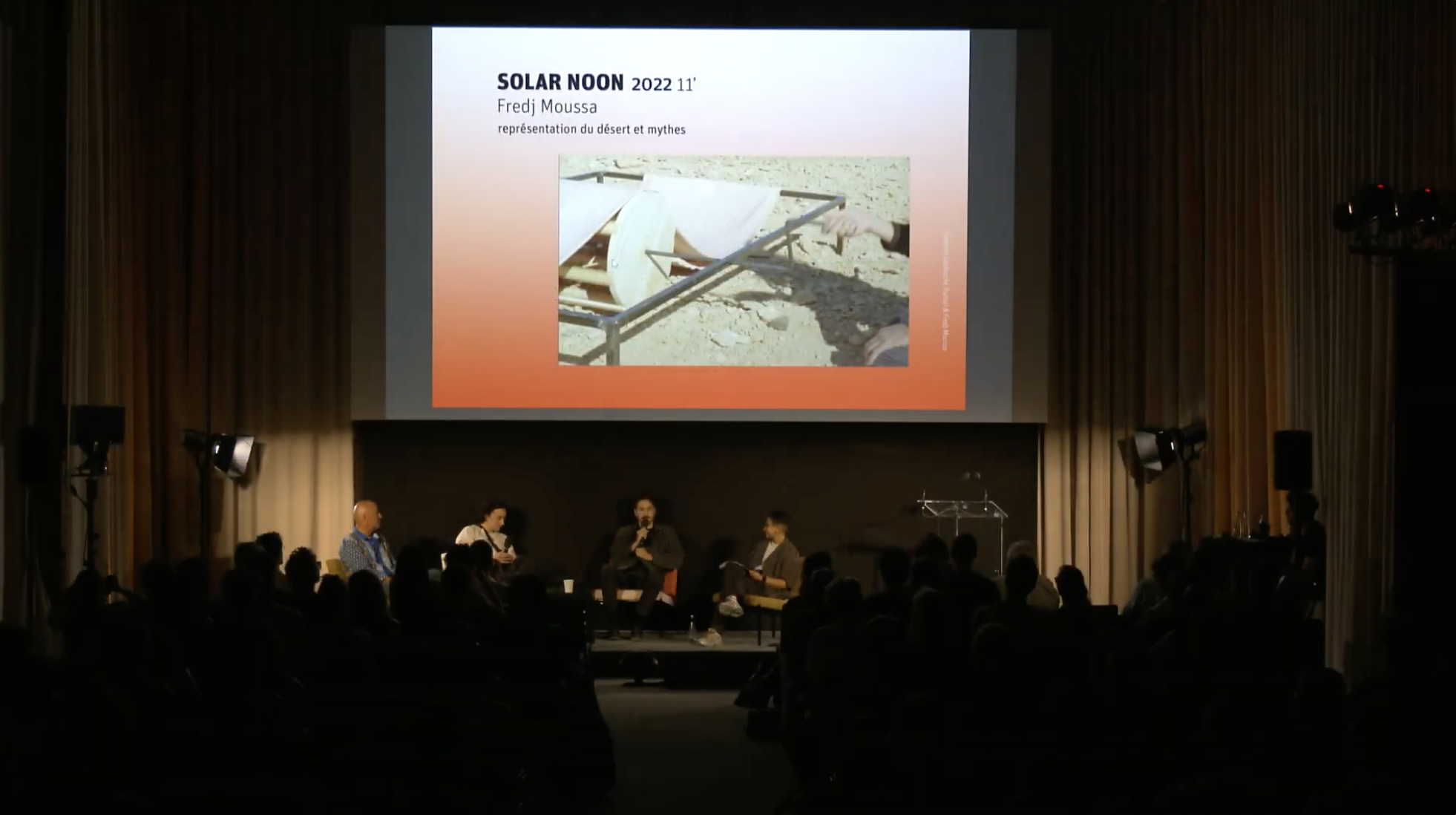
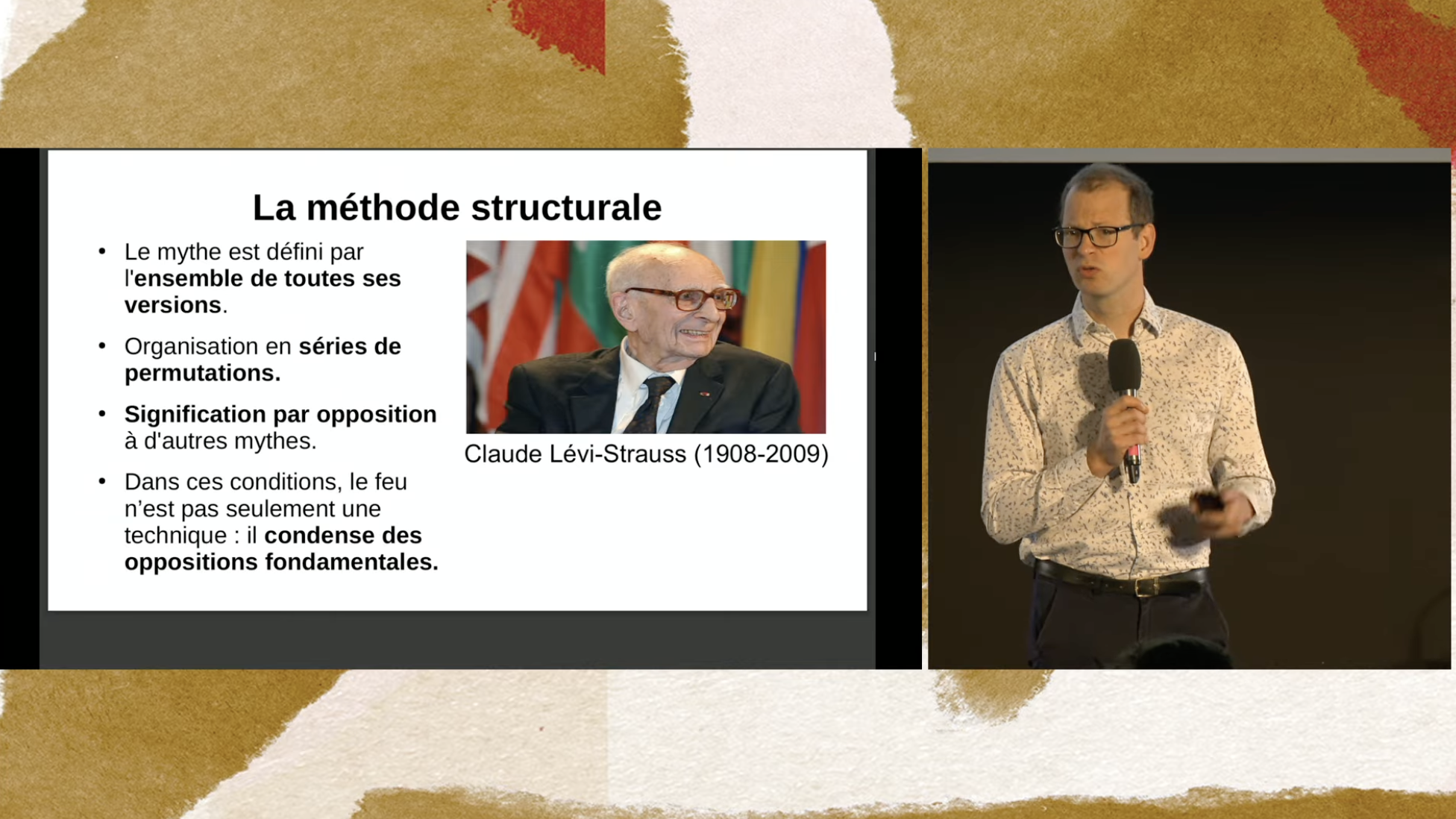
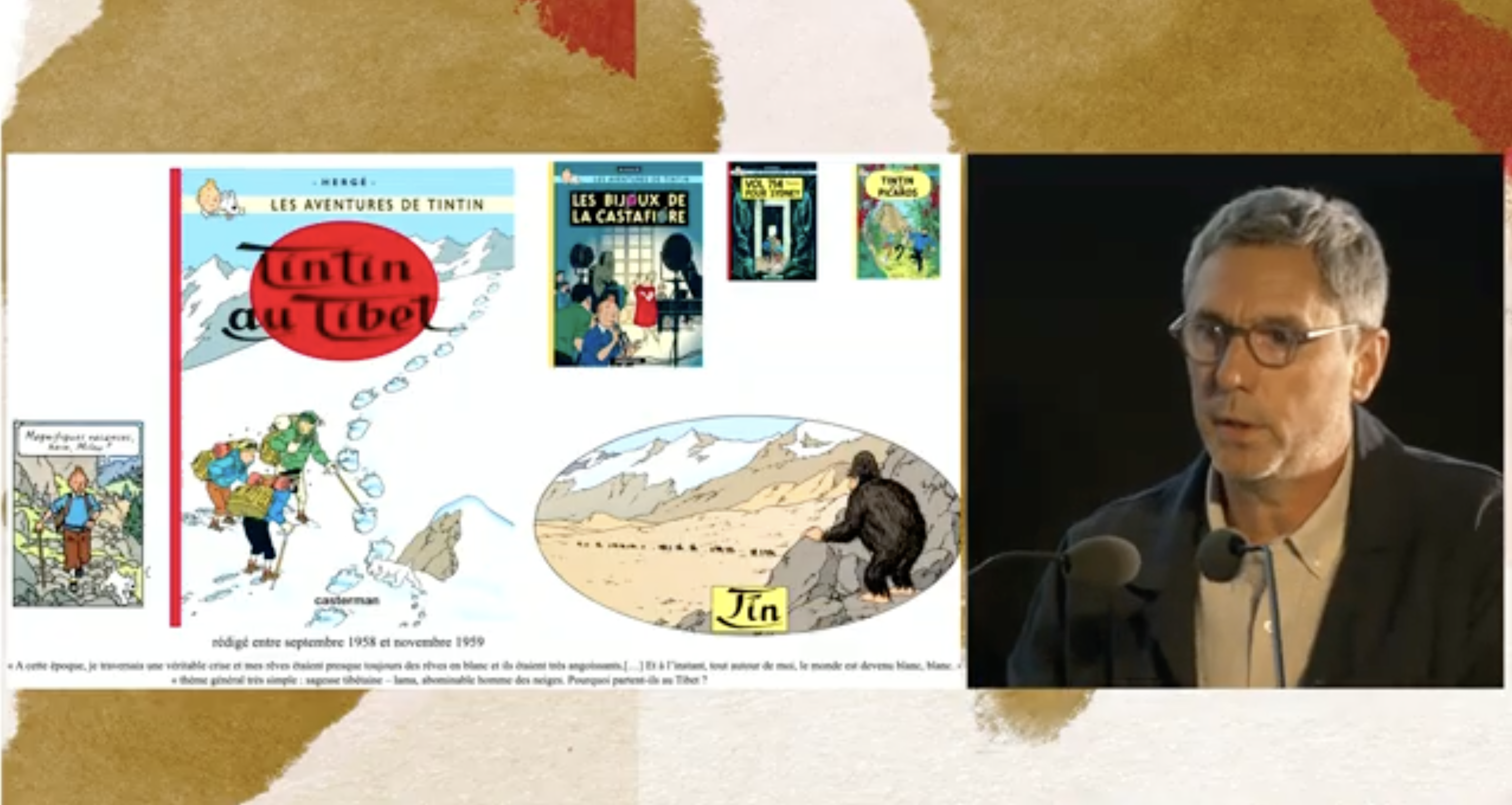
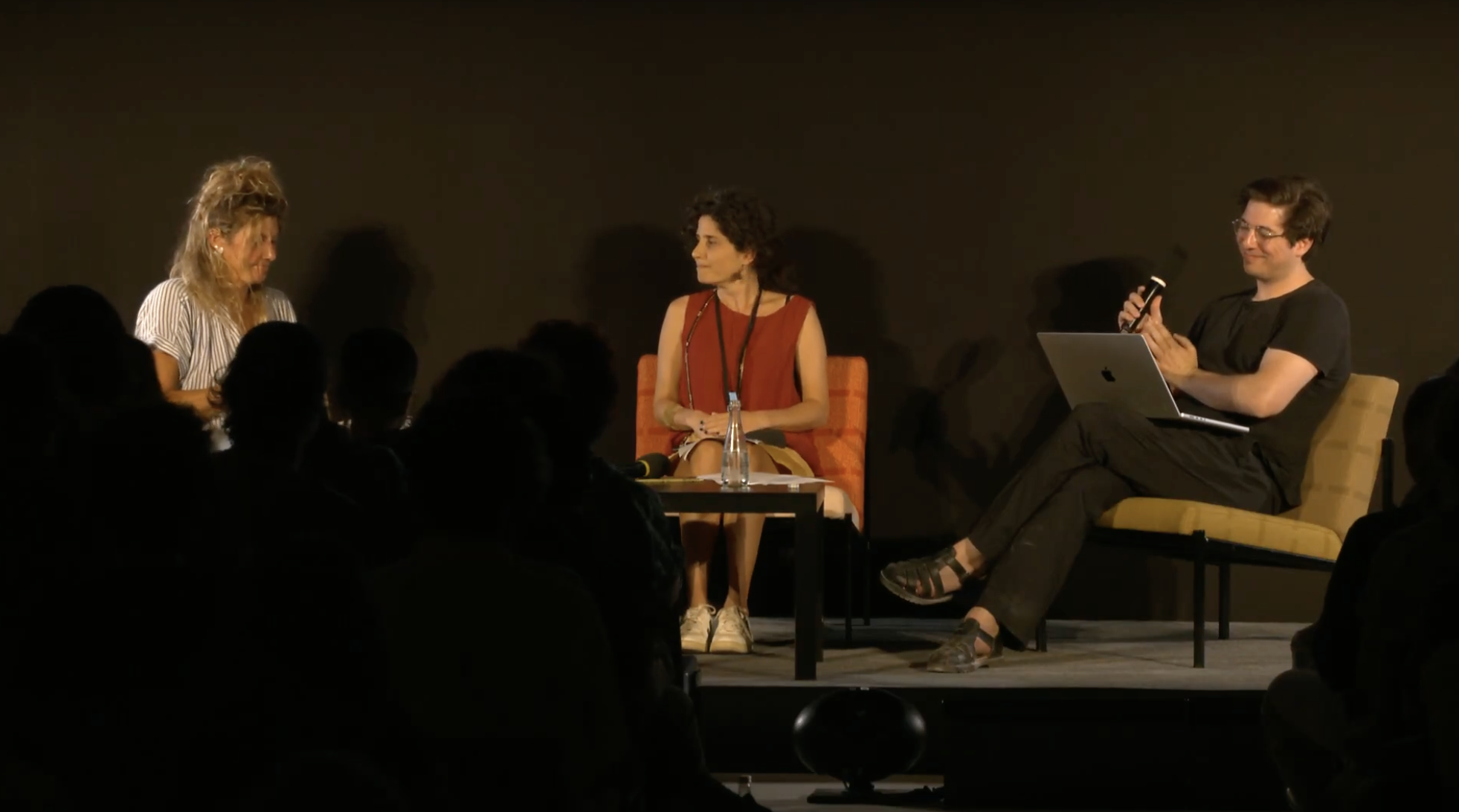
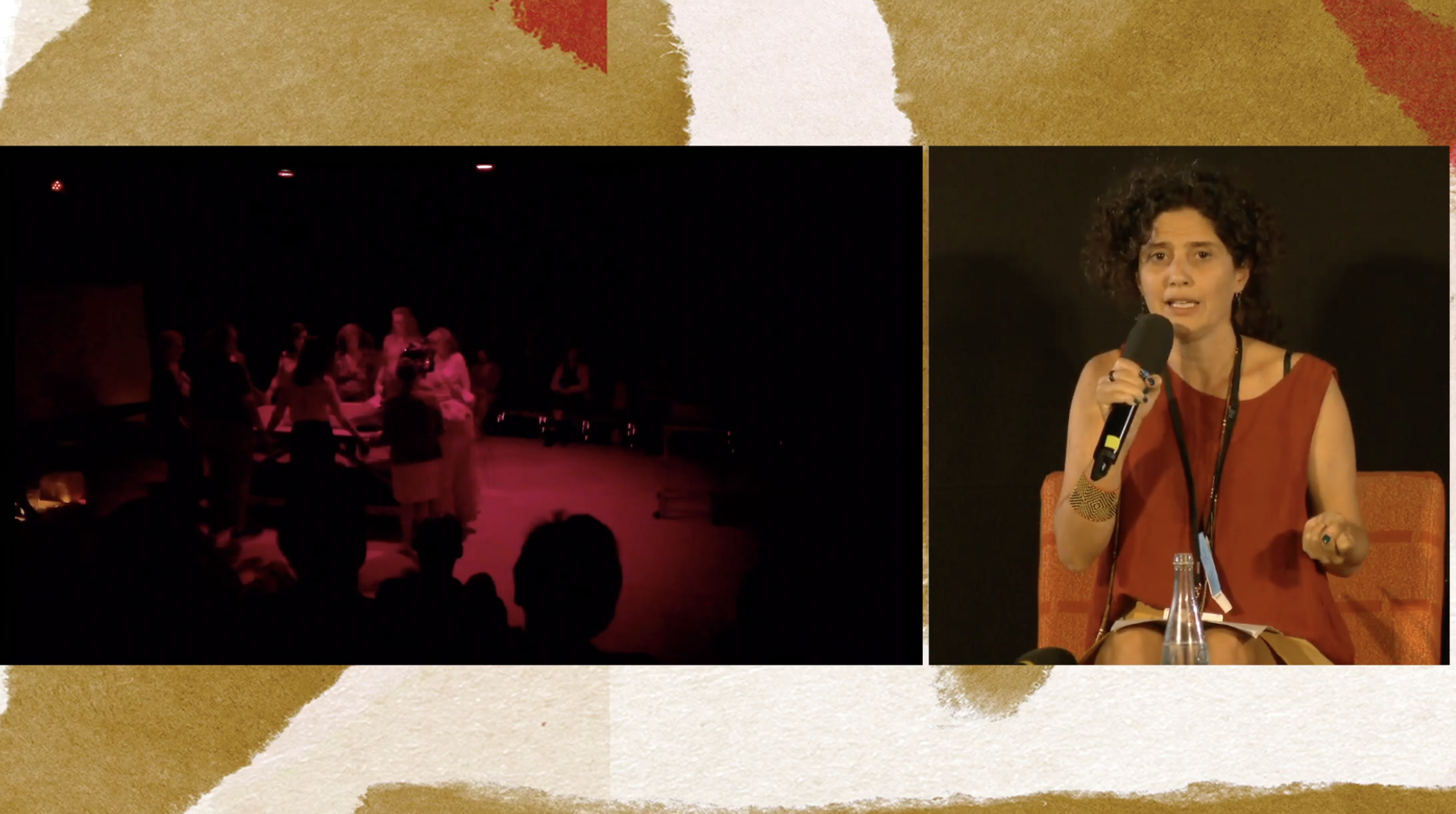
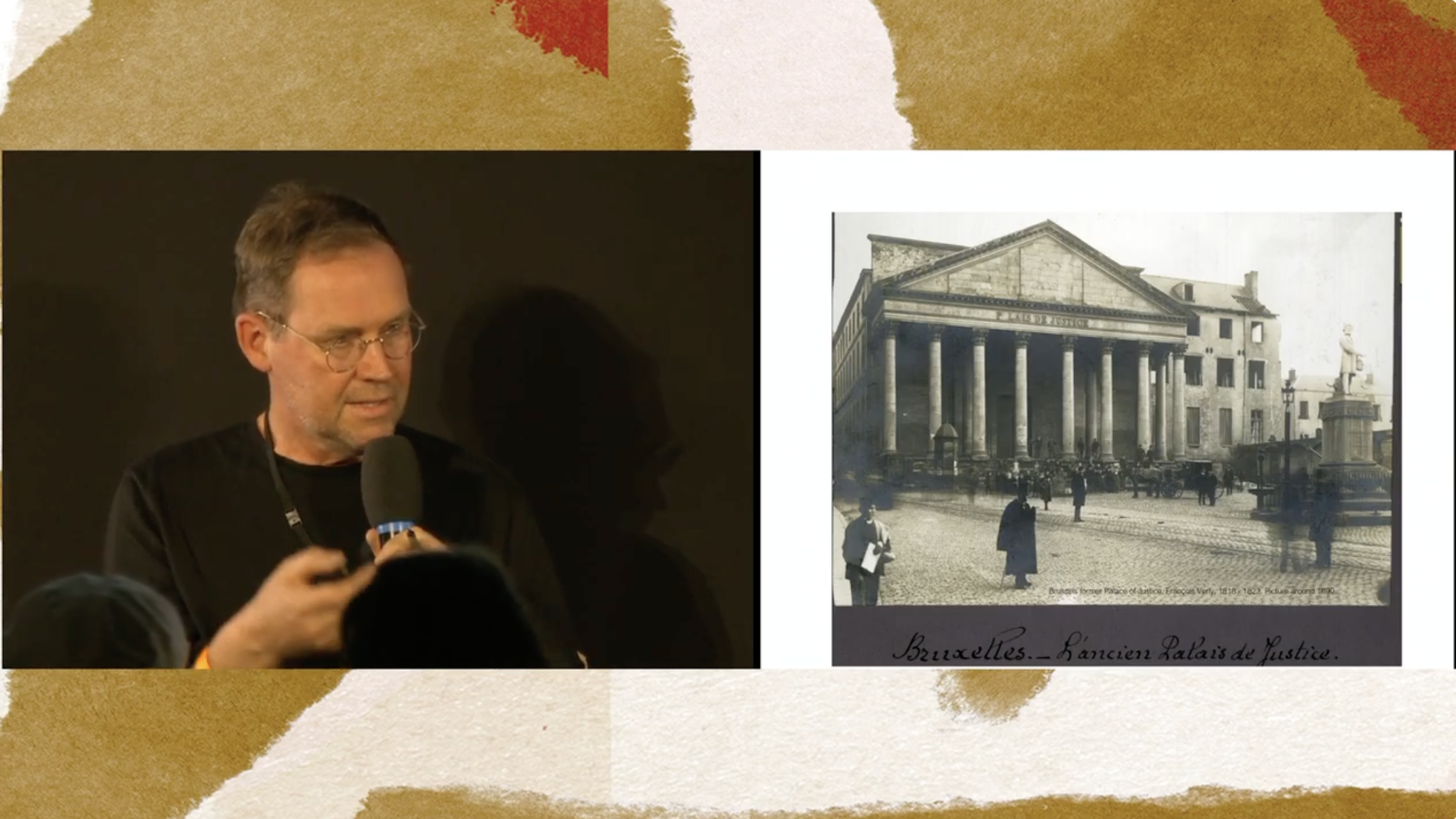
Following their respective presentations, Déborah Bucchi and Jeanne Etelain continue a reflection on the narratives, images, and concepts that shape our understanding of the living world. Through the figure of Gaia, inherited from Greek mythology and reinterpreted by contemporary science and philosophy, and through research on the Critical Zone, they explore different ways of making the complexity of Earth's interdependencies perceptible.
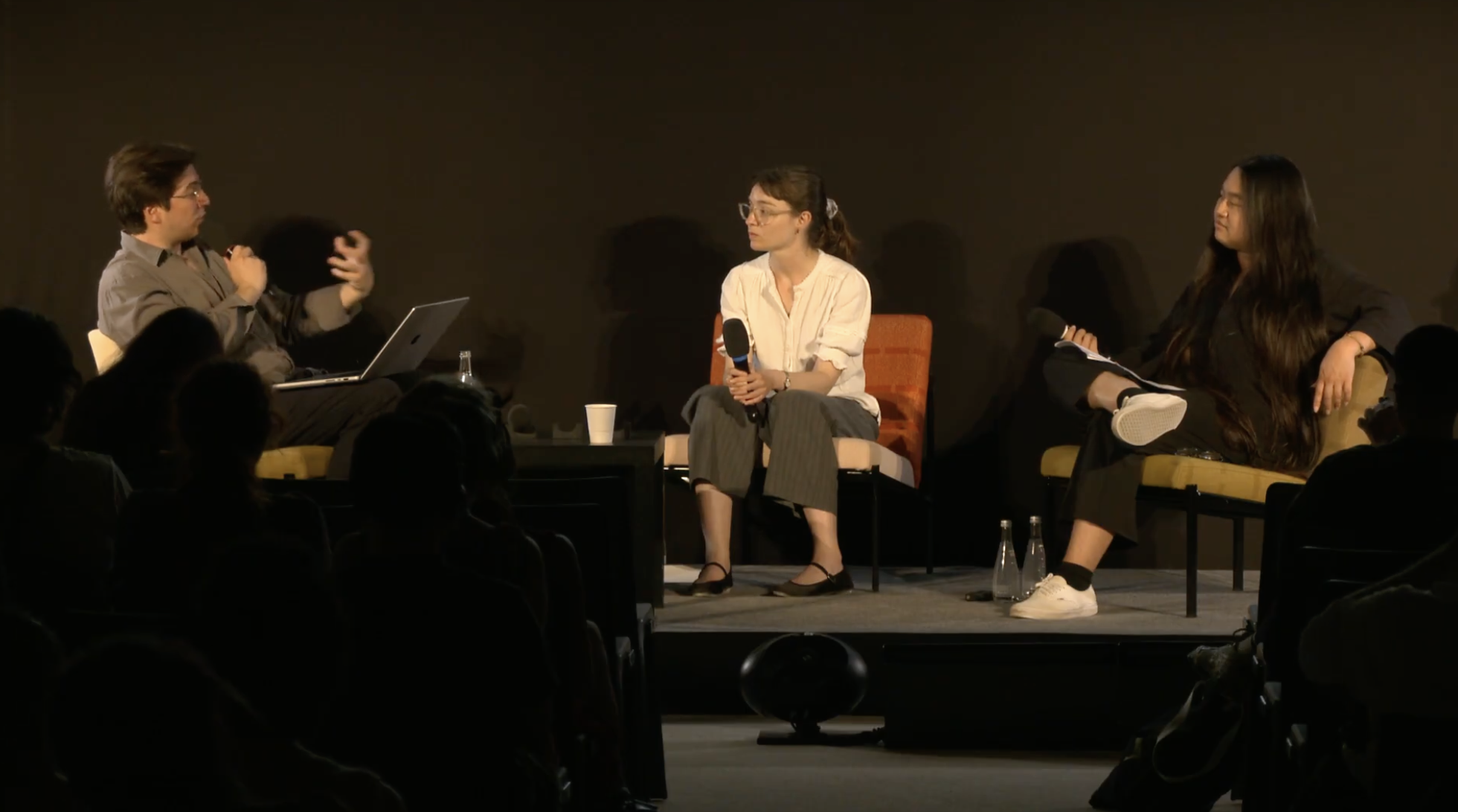
The discussion examines both the convergences and tensions between these approaches. Should the Earth be understood as a living whole, capable of inspiring new ecological imaginaries, or as a fragile and heterogeneous surface where geological, climatic, biological, and human processes are intricately intertwined? What possibilities do these different metaphors open up, and what are their limitations?
At the intersection of Earth sciences, environmental philosophy, anthropology, and contemporary ecological thought, this conversation explores how narratives and concepts can help renew our relationship to planetary habitability in an era of environmental crises.
Explore current highlights and curated selections.