
Start your selection by adding your first favorites.
Here is your list of favorites.
Just enter your email address to receive it.
"In early 2019, when we were considering the theme of LUMA Days #4 to be held in the summer of 2020, we could never have imagined how relevant it would become in the year ahead. The topic that was to bring us together in Arles was “In Transit. A Geography of Change”. By March 2020, due to the effects of COVID-19, nearly four billion people around the world went into lockdown. Overnight, the ecological, economic, and social transition urgencies became emergencies.
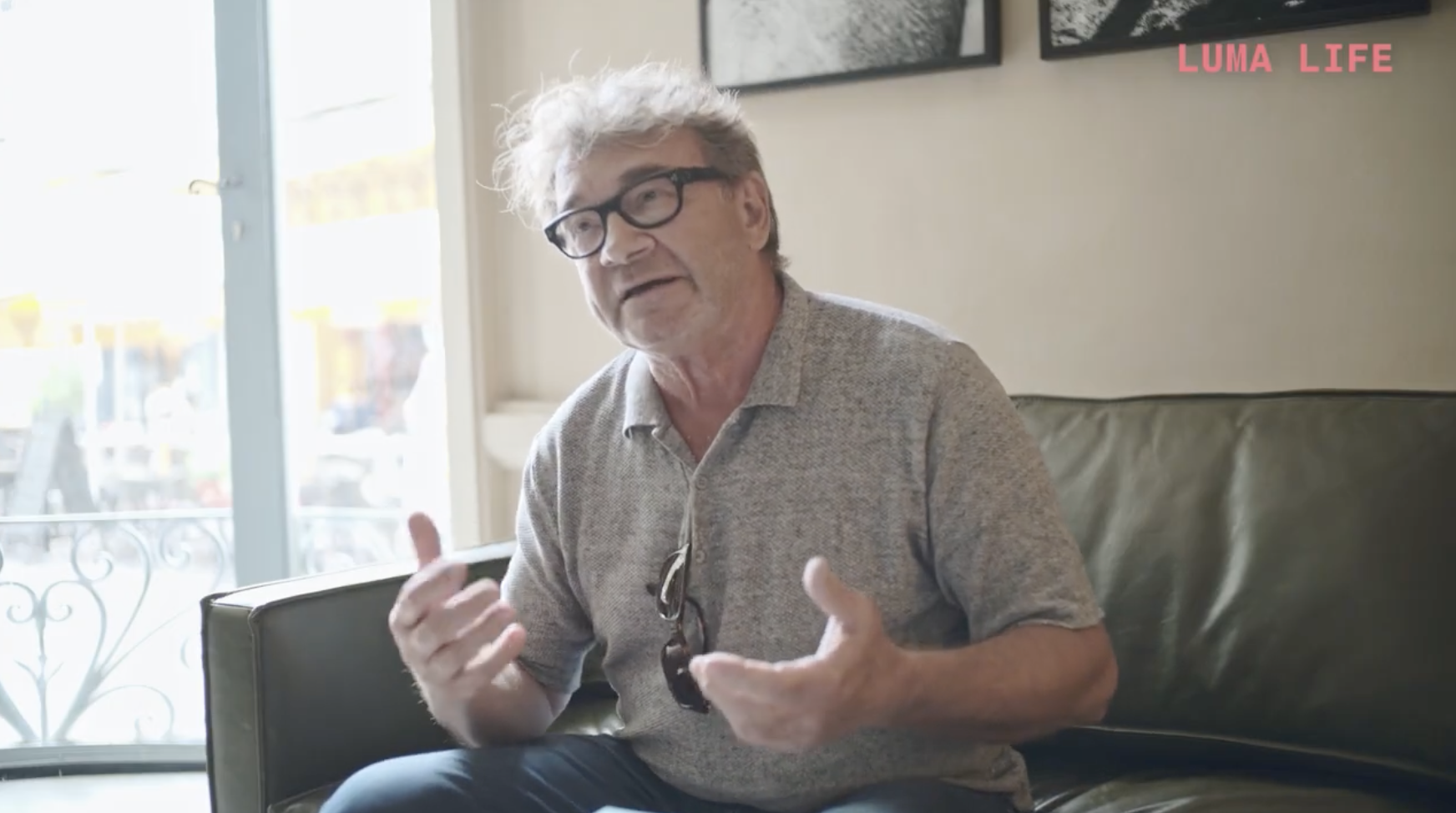
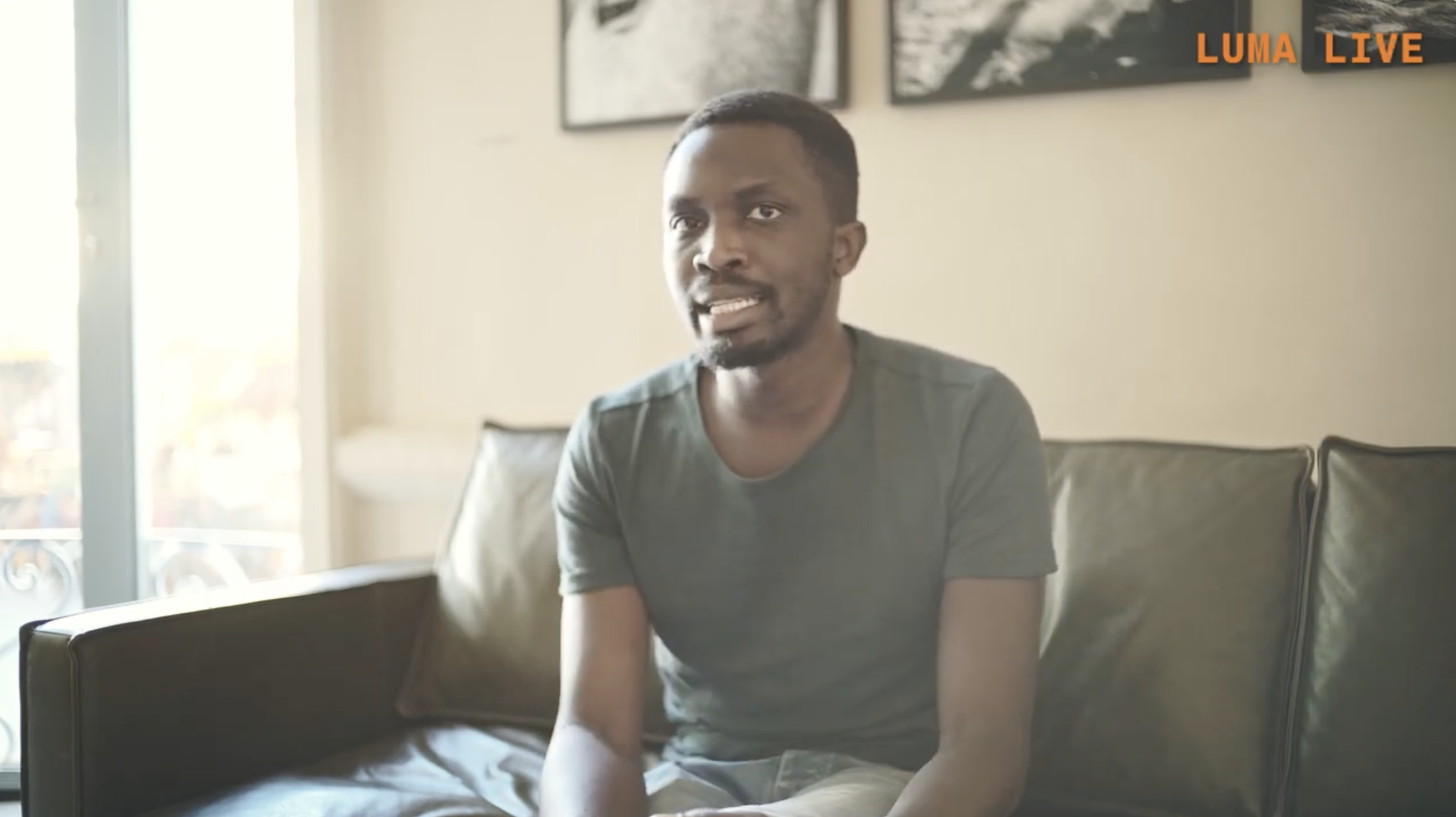
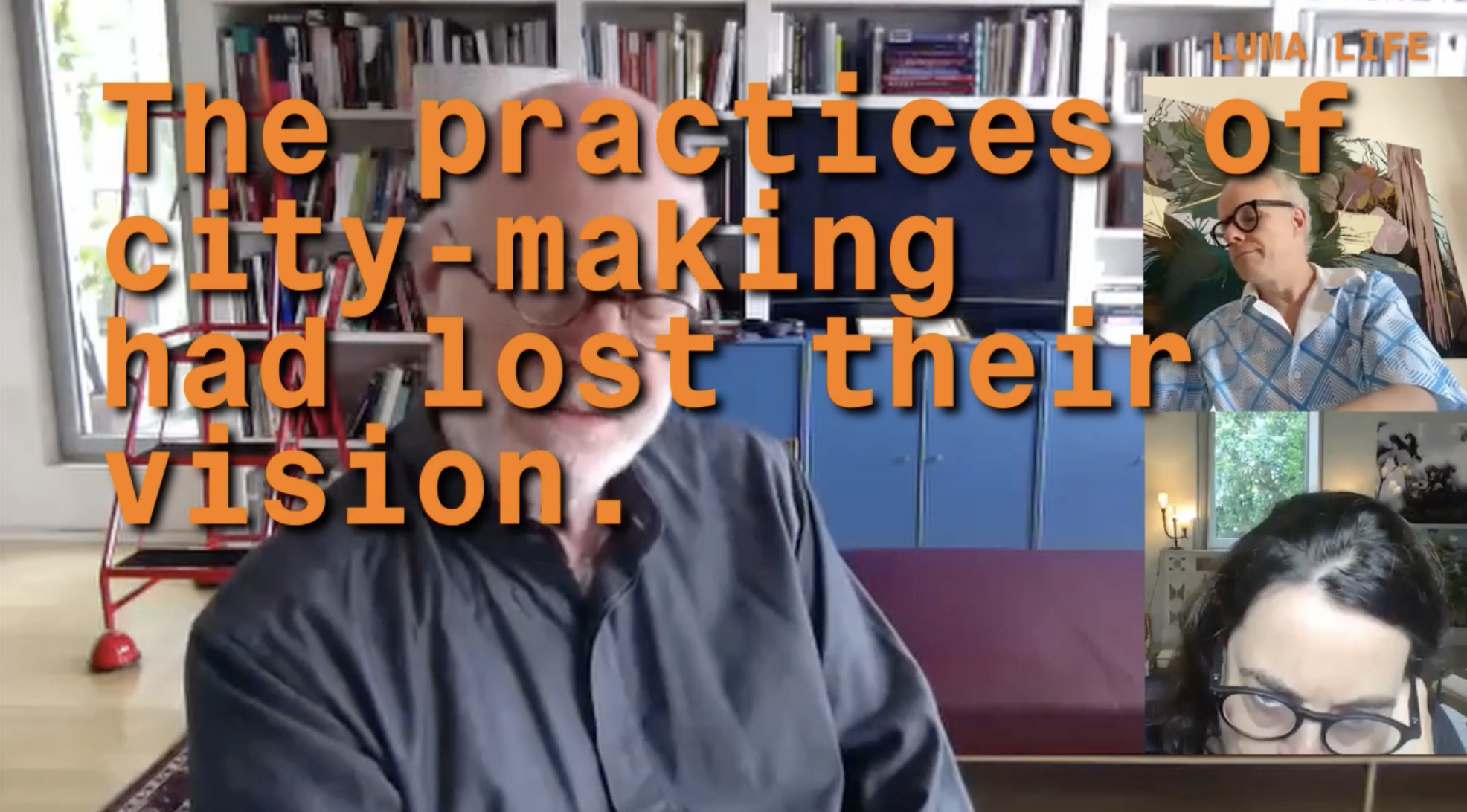
Before long, the programmes that we had planned were dematerialised and resurfaced on our website, where artists, architects, scientists, sociologists, and philosophers discussed the impending upheaval, but also possible ways forward into this new state of the world.
Charting such a course had its fair share of obstacles, bypasses, crossings, slowdowns, and accelerations addressed here through multiple interventions and contributions. Each perspective brought forth a need and urgency for a transition.
This period, while limited in social gatherings, was ripe for collaborations and partnerships that converged around shared values and new ideas.
While this unprecedented health crisis did not offer the opportunity for all of us to come together in Arles this year, it has proven to what extent humanity is capable of agility, adaptation, and sharing. Whatever conditions may arise, let us make a date to meet in Arles, in 2021, and together map out a new and common geography."
Maja Hoffmann
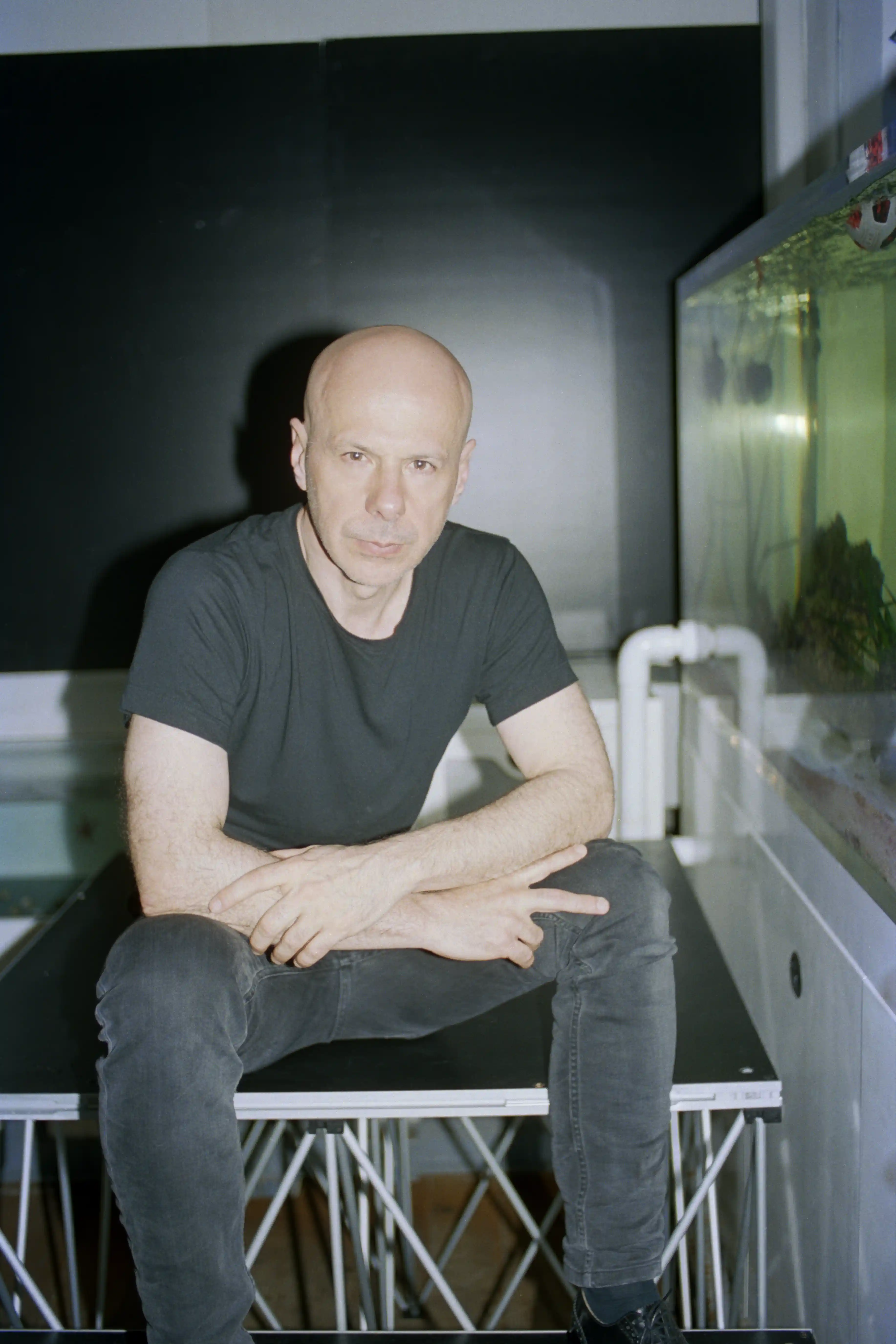
Michel Bauwens is the founder and president of the P2P Foundation. He works with an international network of researchers exploring peer production, governance, and property.
He travels around the world leading workshops and giving lectures on P2P and the commons as emerging paradigms, as well as the possibilities they offer for moving toward a post-capitalist world.
Michel Bauwens is also Research Director of CommonsTransition.org, a platform dedicated to developing policies that foster a commons-based society. He is a founding member of the Commons Strategies Group, alongside Silke Helfrich and David Bollier, which organizes major international conferences on the commons and commons-based economics.
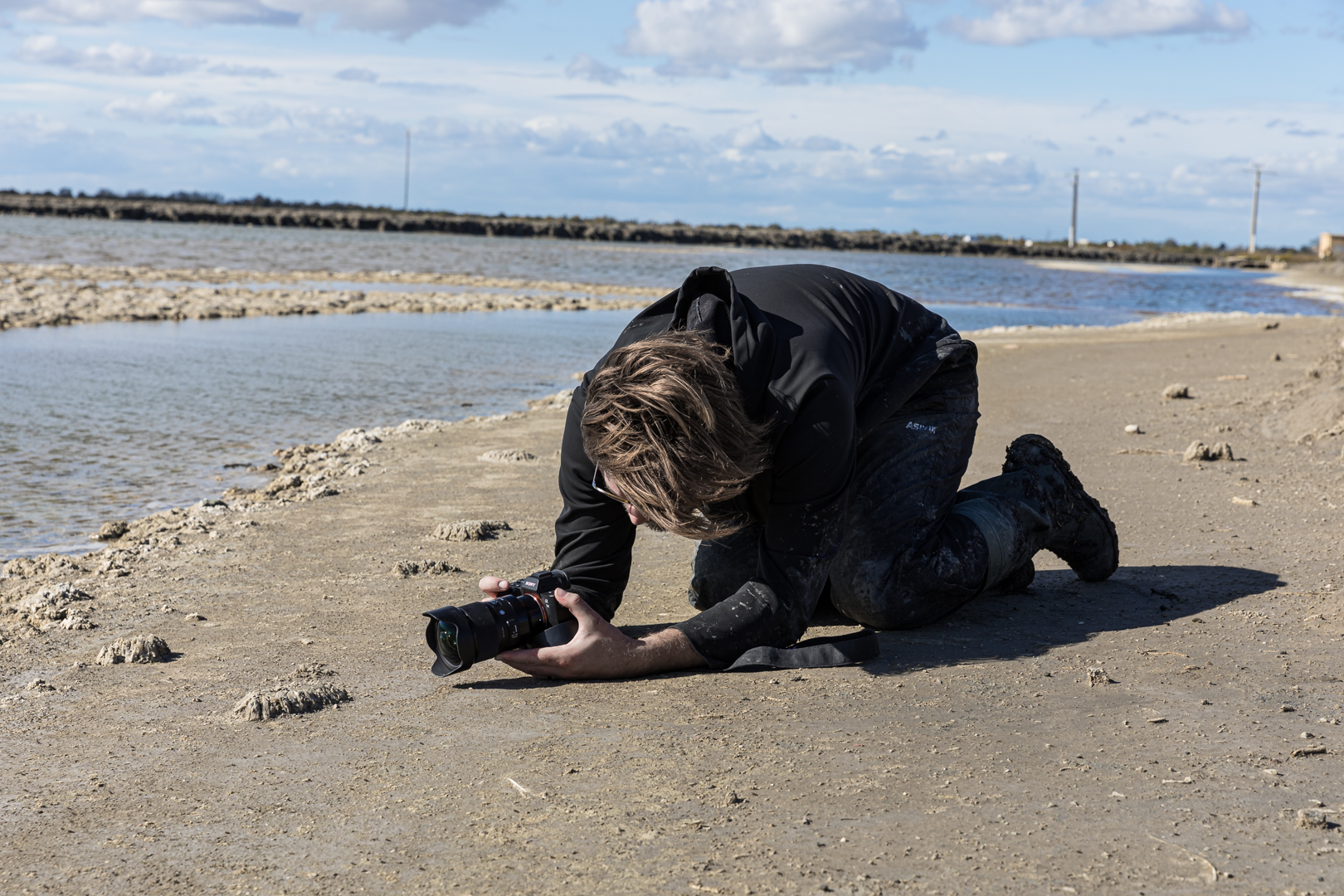
Laurens Bekemans is an architect and cofounder of BC architects & studies, an architecture firm, nonprofit research entity, and materials laboratory based in Brussels, as well as, more recently, “BC materials,” an urban mining company that repurposes construction debris. BC comprises BC architects, studies, and materials. BC stands for “Brussels Cooperation” and illustrates how BC has taken root in a place and in the spirit of its inhabitants. Founded in 2012 as a hybrid practice, BC pushes the boundaries of architecture in a pragmatic way. With three distinct legal entities, the team engages in a variety of experimental projects through which it designs bioregional and circular architecture, studies educational and construction processes, and produces new materials using local waste streams such as excavated soil.
Caroline Bernard holds a PhD in Aesthetics, Sciences and Technologies of the Arts, with a specialization in Visual Arts and Photography, from Université Paris 8. An artist and educator, she has taught at the École nationale supérieure de la photographie since 2015, where she directs the Prospectives de l’image research laboratory.
Formerly a research associate at the Geneva University of Art and Design (HEAD) in Switzerland, she has also taught at the School of Applied Arts (CEPV) in Vevey, Switzerland, since 2007. She is also an Associate Professor at the School of Visual and Media Arts (EAVM) at the Université du Québec à Montréal (UQAM) in Canada.
James is one of the founding members of Assemble and has taught at the CASS School of Architecture and Design since 2015, where he leads a postgraduate design studio.
At Assemble, he has worked on a wide range of projects, from the design and fabrication of furniture and installations to the coordination of large-scale collective building projects and the design of public spaces in the UK and abroad.
Jean Blaise was born in Algiers in 1951. After studying literature at the University of Bordeaux, he became Director of the Centre culturel de Saint-Médard-en-Jalles in 1976, followed by the Centre d’action culturelle de Chelles from 1977 to 1979. He was then tasked with establishing the Scène nationale de la Guadeloupe (1980–1982), before becoming the founding director of the Maison de la culture de Nantes (1982–1983) and, from 1984, Director of the Centre de recherche pour le développement culturel.
In 2000, he founded and became Director of Le Lieu unique in Nantes. He later became Director of Le Voyage à Nantes, a cultural initiative dedicated to promoting the Nantes metropolitan area. In 2014, he was appointed President of the Mission nationale d’art et de culture dans l’espace public (MNACEP) at the French Ministry of Culture.
Jean Blaise has also created numerous cultural events, including the Les Allumées festival, the Hué Festival in Vietnam, Paris’s Nuit Blanche (2002 and 2005), and the Estuaire contemporary art biennial in 2007. Since 2015, he has also served as Artistic Director of the celebrations marking the 500th anniversary of Le Havre.
Alain Caillé is Professor Emeritus of Sociology at Université Paris Ouest-Nanterre. He is the founding director of La Revue du MAUSS (Mouvement anti-utilitariste en science sociale), which, following in the footsteps of Marcel Mauss’s seminal The Gift (1925), challenges the dominant tendency in the social sciences and in moral and political philosophy to view human beings solely as separate individuals who are mutually indifferent and driven by self-interest.
His most recent book is Extensions du domaine du don. Demander – donner – recevoir – rendre (Actes Sud, September 2019).
Alain Caillé is also one of the leading figures of the Convivialist Movement. His most recent text, Internationale convivialiste, Second manifeste convivialiste. Pour un monde post-néolibéral (Actes Sud, February 2020), was signed by 300 intellectuals and activists from 33 countries.
Matthieu Léglise is an art historian specializing in nineteenth- and twentieth-century painting. His research has focused on the reception and interpretation of modern art, with particular attention to the work and legacy of Édouard Manet.
In 2018, he earned a PhD from Université Paris 1 Panthéon-Sorbonne with a dissertation titled Manet après Manet : le spectre du moderne (1900–1960), which examines the critical and visual reception of Manet’s work in the twentieth century.
Léglise has worked at the Institut national d’histoire de l’art (INHA), where he has served as Cultural Development Officer and Scientific Assistant to the Director General. In this capacity, he has contributed to the institution’s cultural programming and development. Together with Victor Claass, he was involved in the programming of INHA’s 20th-anniversary celebrations in 2021–2022.
His work also includes a significant editorial dimension. Léglise is co-editor-in-chief of Perspective. Actualité en histoire de l’art, alongside Marine Kisiel. Published by INHA, the journal focuses on current international research in art history. He has co-edited several issues, including Transports (2022-1) and Raconter (2022-2), and has contributed to the editorial direction of the issue Autonomie (2024-1).
Léglise has also worked in the field of exhibitions. In 2016, he served as curator of the exhibition “Moses, Figures of a Prophet,” presented at the Musée d’art et d’histoire du Judaïsme in Paris.
His research and professional activities lie at the intersection of nineteenth- and twentieth-century art history, the reception of artworks, scholarly publishing, cultural programming, and institutional development.